
Future’s Game Poured Cold Water on the Hype Machine, and That’s Fine
 Leo Lupo5 min read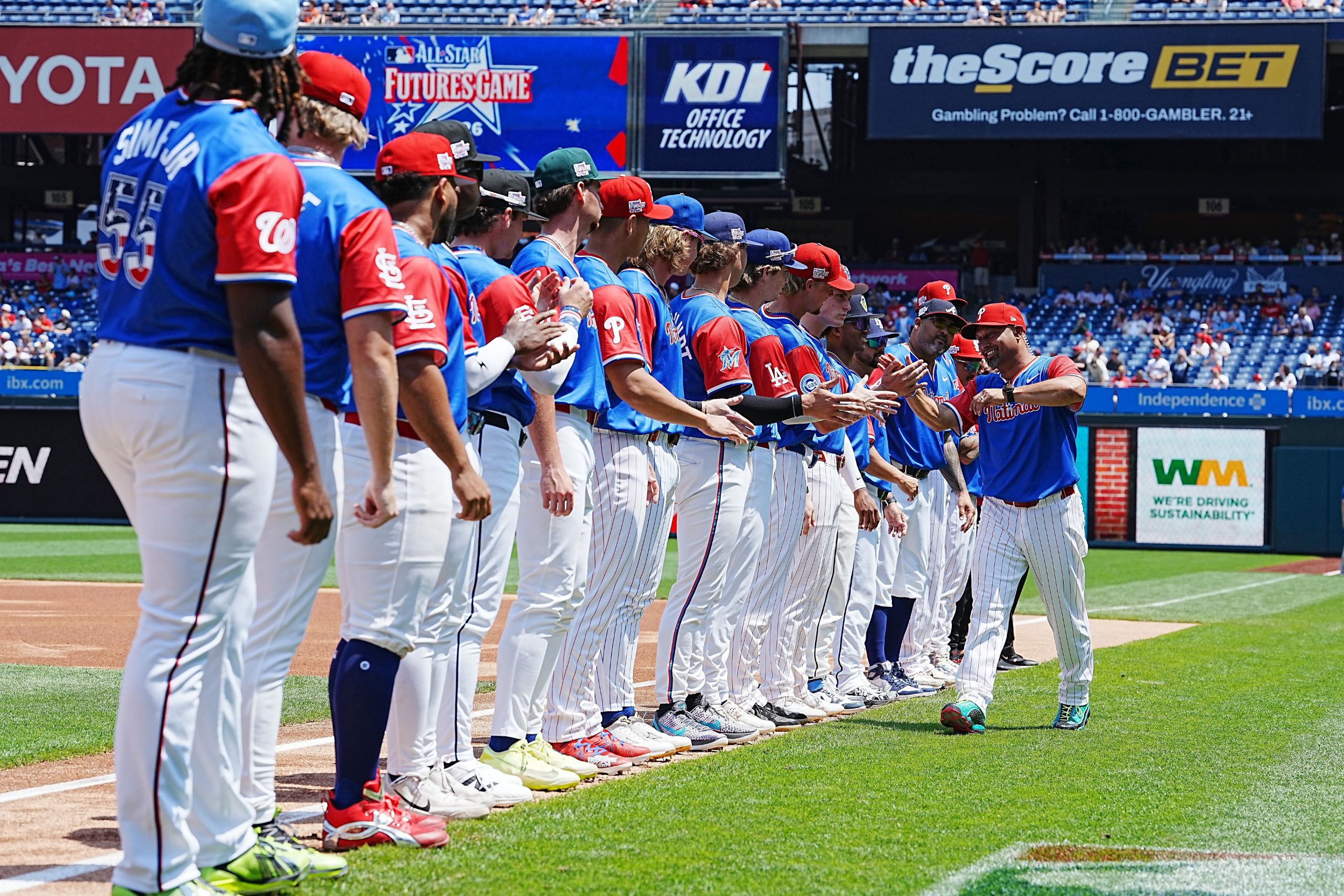
The Futures Game is baseball’s annual little peek behind the curtain, a look at the kids before the suits hand them the keys. Most years it’s a parade of tools, names, and raw talent with a little too much perfume on it. This one ended with the American League beating the National League 6-1, and the score alone tells you the AL kids were the sharper lot on the day. Not polished, not finished, but sharper. That matters.
A summer exhibition like this is supposed to be a celebration. Fine. Celebrate the arms. Celebrate the hands. Celebrate the kids who still look like they should be worrying about double dates and bus rides instead of launch angles and spin rates. But don’t get cute about it. These games are also a scouting report with a scoreboard attached, and the American League’s group looked like the side that understood the assignment a little better.
Leo De Vries keeps kicking down the door
Leo De Vries got the kind of line that makes front offices sit up straighter: a single, a stolen base, and the sort of active presence that plays in these settings. That’s the thing with elite young talent. It isn’t just the loud swing. It’s the way the player stays in the fight after the first pitch, after the first miss, after the stadium settles into its half-carnival mood.
De Vries is one of those names that already comes with a whisper attached. Too young, they say. Too advanced, they say. Overmatched, maybe. Then he shows up at a showcase like this and does the unglamorous work. He moves the line. He takes the extra base. He reminds everybody that the best prospects don’t always arrive with fireworks. Sometimes they arrive like a headache for opposing pitchers.
And if you’re running a farm system, that’s the stuff you want. Not the Instagram shot. The habit.
The American League looked more like a ballclub
The AL side winning 6-1 doesn’t mean every pitcher in a National League uniform forgot how to throw. Don’t be a sucker. These events are stitched together from different organizations, different coaching trees, different stages of development. Some kids are one phone call from the big club. Others are still learning how to handle a bad inning without turning into a trash can.
Still, the AL group looked more cohesive. More ready to compete within the frame of the game. That’s a meaningful distinction. In exhibitions like this, the best clubs aren’t necessarily the ones with the most famous names. They’re the teams whose players show some feel for the moment. Make the routine play. Take the extra 90. Don’t wander through the game like you’re waiting for a trophy at the end of the line.
The Major League Baseball future watch always comes with overreaction attached, because that’s what baseball people do. One hot game and a kid’s the next big thing. One rough inning and he’s suddenly “a work in progress,” which is scout-speak for “see me in a year.” The truth sits somewhere in the middle, usually wearing a scuffed glove and a tired face. But the AL was the side that looked more organized, more comfortable, and more willing to make the game come to it.
The Futures Game isn’t about crowning kings. It’s about spotting who already knows how to carry the crown without tripping over it.
Showcase baseball still tells you plenty if you’re paying attention
People love to mock these games as glorified summer postcards. Maybe. But the smart folks still watch. They watch how a kid handles a big stage when the crowd is small but the eyes are not. They watch the body language after a strikeout. They watch whether a runner has the nerve to press for an extra base. They watch if a pitcher can breathe through the noise and trust his stuff.
That’s where the Futures Game still earns its keep. It’s not the box score. It’s the habits. You can find speed on a stat sheet. You can find power in a list of numbers. What you can’t always find there is whether a player knows how to play with his heartbeat up around his throat.
And that’s why these games matter for clubs like the ones feeding this event. The difference between a good prospect and a real major leaguer is often smaller than people want to admit. It’s a turn of the wrist. A cleaner read. A better idea of who he is when the stage gets brighter. The clubs that develop those details well tend to stay in business longer than the ones chasing only loud tools.
What this says about the next wave
I’ll give you my read plain. The next generation of big leaguers is still loaded with talent, but the separating line is getting finer. Everybody has a trainer. Everybody has a plan. Everybody has the same seven-step sleep routine and a podcast about mindset. Lovely. What matters now is whether the player can bring all that classroom polish into a real game and still look like a ballplayer, not a seminar.
I’ve spent enough years around this racket to know the hype comes cheap. The kids cost money; the hype is free. Every summer there’s a new crop of can’t-miss prospects, and some of them miss anyway because baseball is a mean old game that doesn’t care what your ranking was in July. So when a kid like De Vries shows he can do more than swing hard and smile pretty, I pay attention. Same with the AL group that played the cleaner brand of ball in this one. That’s not everything, but it’s not nothing either.
The clubs that get rich off their farm systems usually understand this one simple nuisance of a truth: talent only becomes value when it travels well. Stadium to stadium. League to league. Pressure to pressure. The Futures Game is one stop on that trip, not the destination. But it can still tell you who’s carrying a suitcase and who’s already living out of a trunk.
The summer circuit rolls on, and so do the names. Some of them will fade. A few will become problems for big league pitchers very soon. Keep the notebook open. The real story is just starting to harden.
Comments
Join the conversation — sign in to leave a comment.
Sign in to commentRelated Stories
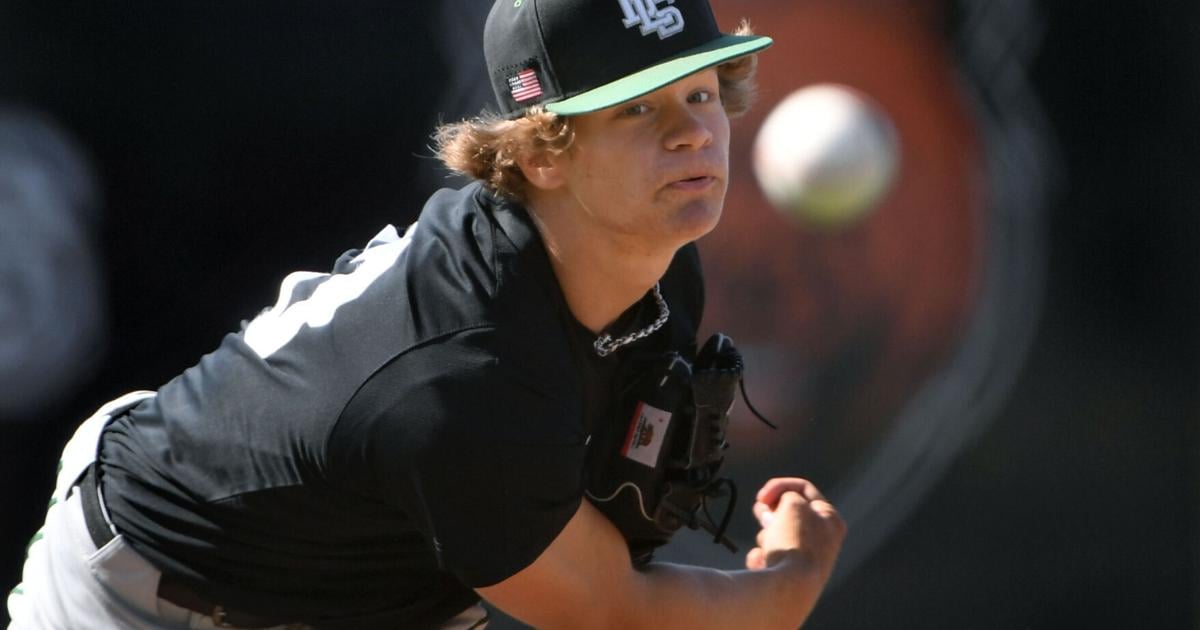
MLB Draft: Cardinals Bet Big on Pitching Depth
St. Louis kept leaning into the mound on Day 2 of the draft, chasing fastballs, projection, and the sort of upside that can change a farm system overnight.
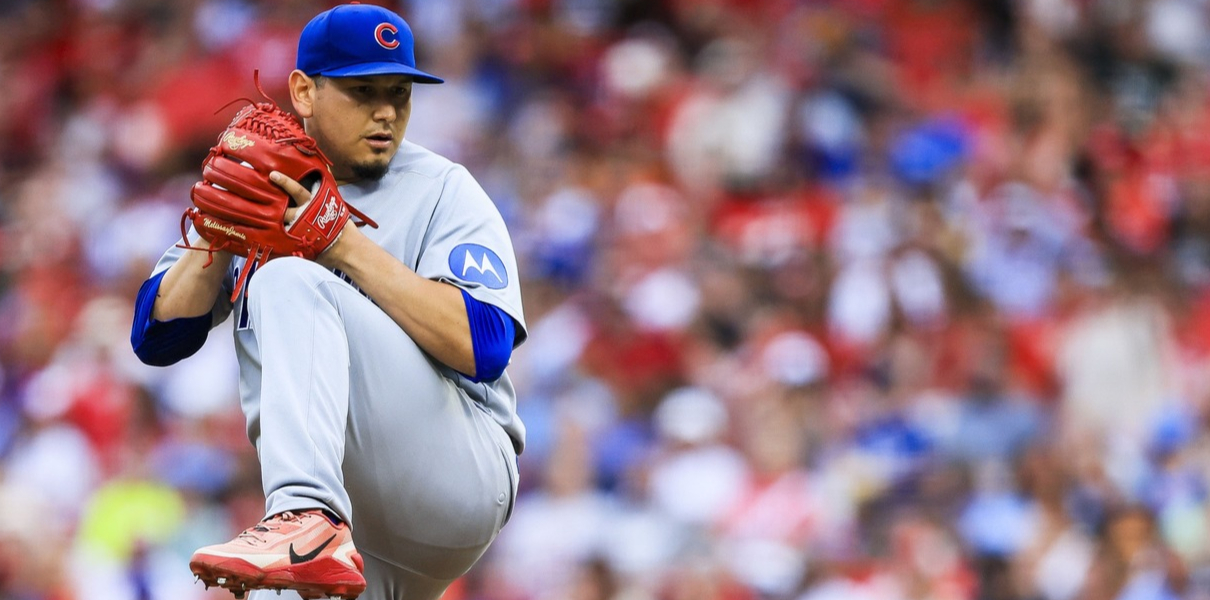
Cubs Win the Break, But the Pitching Cart Still Has a Wobbly Wheel
A good Cubs win, a useful draft haul, and a pitching staff held together with tape. The break helps, but the questions are still walking right behind them.
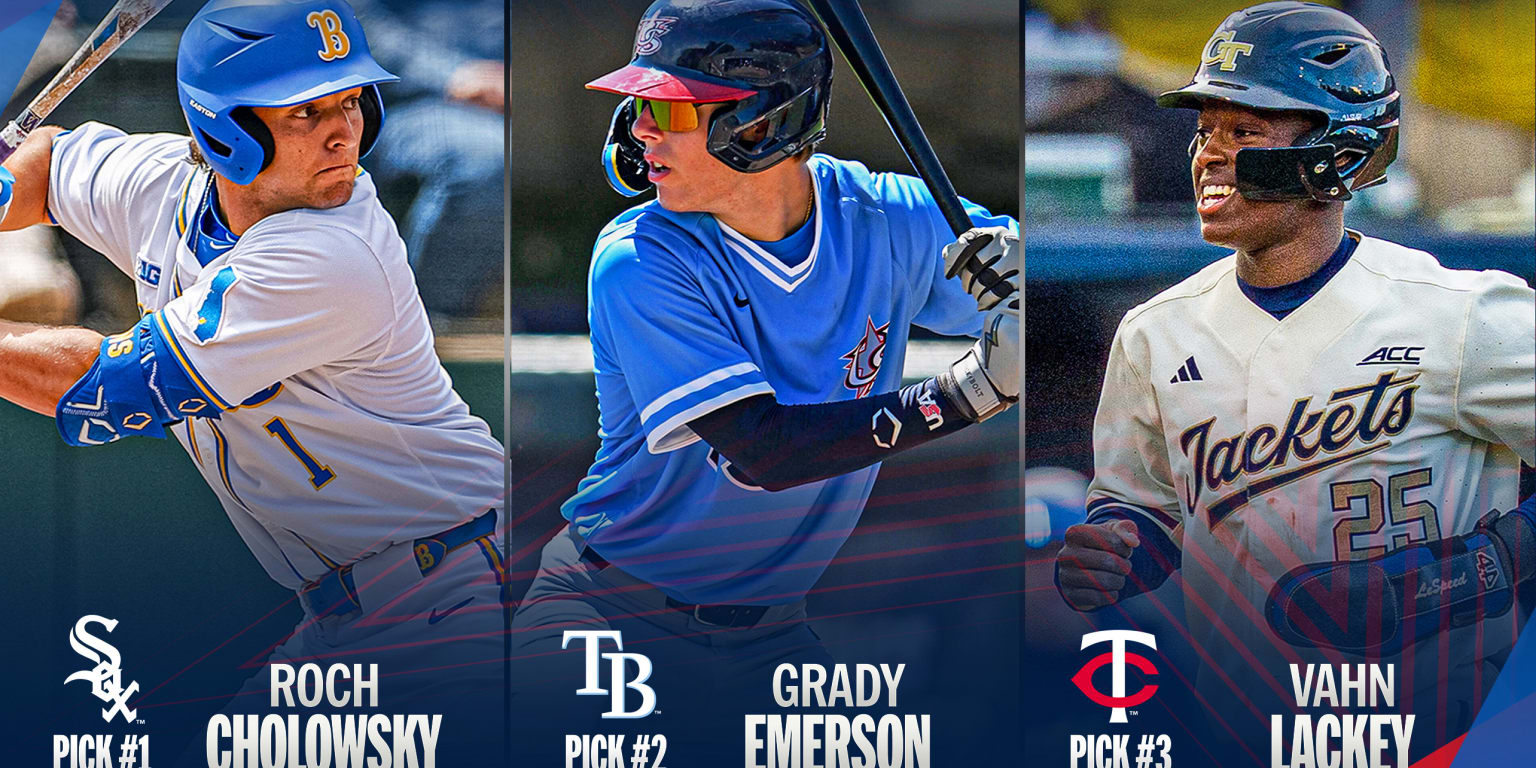
The Draft Starts Here: MLB’s First 40 Picks Set the Tone for the Next Wave
The 2026 MLB Draft is live, and the first night will tell us which clubs are swinging big, which ones are cutting bonuses carefully, and who’s betting on upside.