
Caitlin Clark WNBA Crowd: Holly Rowe Weeps in Toronto
The arena was packed, the moment was real, and the league keeps cashing the check.
 Leo Lupo4 min read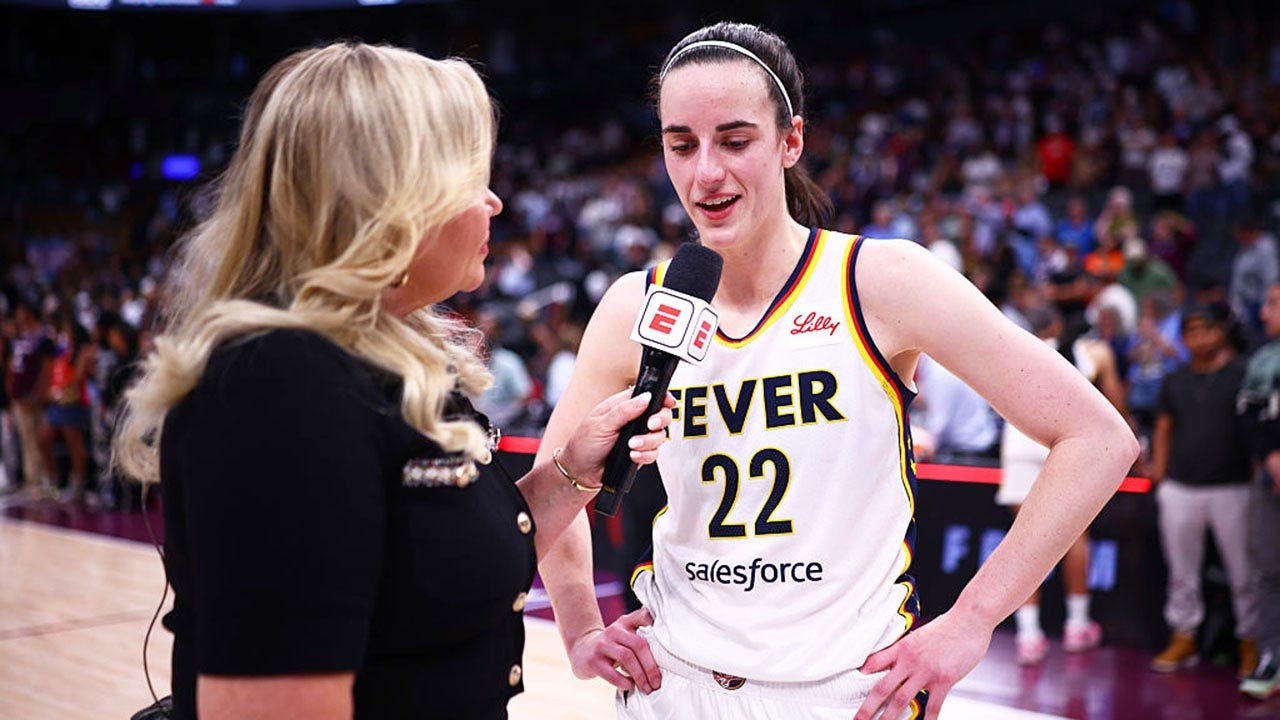
Toronto didn’t just fill seats — it filled the camera
Holly Rowe lost it before an Indiana Fever game in Toronto, and you don’t need a degree in crowd psychology to figure out why. The place was packed, the buzz was loud, and the sight of a sold-out Scotiabank Arena for a regular-season women’s game hit her in the chest the way it hit a lot of folks who’ve covered this league for years. That kind of turnout isn’t a cute side story. It’s a billboard.
And yes, Caitlin Clark is the reason this thing has extra oxygen. The tip boiled the whole scene down to Clark “being to blame,” but let’s not play dumb with the language. If a player draws a 19,000-seat crowd in another country, that isn’t blame. That’s gravity. The league has spent decades begging for moments like this, and now one walks through the door in a Fever jersey and some folks still talk like it’s a nuisance.
The league finally has a traveling attraction
The WNBA has had stars before, plenty of them. Sue Bird, Diana Taurasi, Sheryl Swoopes — real players, real eras, real backbone. But Clark is something different in one very specific way: she drags attention from people who usually need a map to find a women’s basketball box score.
That matters because crowds are currency. Not social-media claps. Not syrupy praise on a panel show. But real butts in real seats buying real tickets. When a game in Toronto sells out with that kind of heat around an Indiana Fever visit, the WNBA is not merely exporting a game. It’s exporting a draw. That’s how leagues grow. That’s how owners stop whining about exposure and start counting receipts.
The irony, of course, is that the video centered on Rowe’s emotion without spelling out the obvious: the crowd didn’t materialize out of thin air. It came to see Clark, and to see what happens when one player turns a road game into a happening. The business people understand this. Some of the old guard still act embarrassed by it.
Holly Rowe was reacting to the whole scene, not just a box score
Rowe has been around long enough to know the difference between manufactured hype and the real thing. She’s stood on enough sidelines, heard enough empty promises, watched enough “next big things” wilt under fluorescent lights. So when she got emotional in Toronto, that wasn’t some staged promo reel nonsense. That was a veteran reporter seeing the thing the league has chased for years: scale.
You can argue about ratings all you want. You can’t argue with 19,000 pairs of feet in the building.
And here’s the part that ought to make the suits sweat a little. If a sold-out building in a basketball market outside the U.S. shows up this hard for a Fever game, then the WNBA is sitting on something bigger than one superstar and one viral clip. It’s got a marketable road show. That’s not small potatoes. That’s the difference between a league surviving on sentiment and a league growing on demand.
My take: this is what real momentum looks like
I’ve watched enough leagues spend years trying to manufacture stars from committee. They’ll polish a name, push a slogan, and pray the public bites. Usually, it doesn’t. The public is a hard-eyed bunch. They know when they’re being sold a carton of milk with no cream in it.
Clark isn’t fabricated. That’s why this works. She’s got the shot, the swagger, the spotlight, and the one thing no marketing department can manufacture: she makes people show up. I’ve seen this movie before, back when certain NBA road games felt less like basketball and more like a traveling circus because one player could turn every arena into a referendum on the sport itself. Different era, same business. When a league has a true magnet, everything around it sharpens.
And before anybody gets precious about it, no, this doesn’t diminish the rest of the league. It raises the waterline. More people in the building means more people seeing the WNBA, more people hearing names they should already know, more pressure on opponents to bring something sharper than a mugging in the lane and a shrug after the whistle. If you’re in the league, this is opportunity. If you’re outside it, this is what growth looks like when it stops being theory.
What comes next for the Fever and the league
The Fever keep traveling with the league’s hottest ticket in their pocket, and every road stop turns into a test: can arenas hold the crowd, can networks capitalize, can the sport keep converting curiosity into loyalty? That’s the next mile marker. Not the tears, not the clip, not the outrage cycle. The follow-through.
If you’re looking for the real headline, it’s this: the WNBA no longer has to imagine what a packed house feels like. It just has to keep earning it.
More from Straight From The Bench
Comments
Join the conversation — sign in to leave a comment.
Sign in to commentRelated Stories
Olivia Miles Defense: Nobody Can Stop Her Right Now
Olivia Miles kept bending the game against Golden State, and the bigger issue is nobody has found a clean answer for her yet. That’s not a hot streak — that’s a problem.

Wings rookie Azzi Fudd knee surgery ends her season
Azzi Fudd’s rookie year is over after a knee procedure. For Dallas, the loss is bigger than one rotation spot; it is a reminder of how thin hope can be in this league.
ESPN co-founder Bill Rasmussen dies at 93 after Parkinson’s battle
Bill Rasmussen didn’t just help launch ESPN. He helped change the way sports is packaged, sold, and consumed — forever.