
Carlos Sainz Williams contract: F1 team locks 2027 lineup
Williams just went from rebuilding to stabilizing the garage.
 Zane Miller4 min read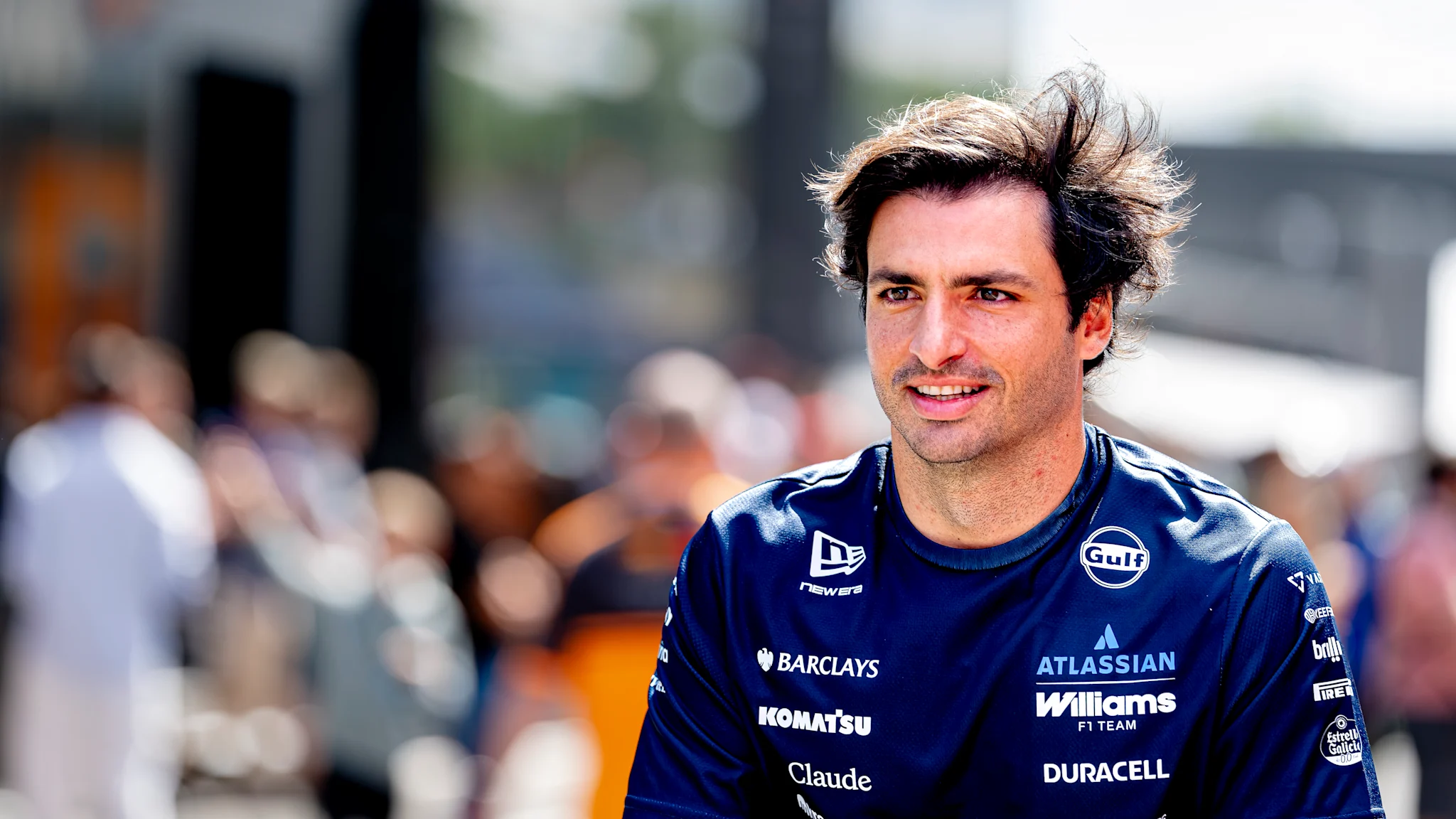
Williams stops the churn and commits to a spine
Carlos Sainz is staying at Williams on a new multi-year deal, and that lands differently than a routine driver update. This is a team that has spent years trying to drag itself out of the drift zone, and now it has its 2027 driver line-up locked before the calendar even turns. Alex Albon had already extended his stay, so the message is loud enough without anyone writing a slogan on the motorhome: Williams is done shopping for identity and ready to build one.
That matters because driver stability is oxygen in Formula 1. You can’t keep swapping parts at the top level and expect the whole operation to suddenly feel coherent. Williams has had enough turnover, enough reset buttons, enough weekends where the car and the strategy looked like they were speaking different languages. Locking in Carlos Sainz after Alex Albon is the closest thing this team has had to a long-term vote of confidence in years.
Why Sainz fits this rebuild better than a flash signing
Sainz is not just a quick fix. He is the kind of driver a rebuilding team wants when it is trying to stop thinking like a rebuilding team. He brings racecraft, calm, and a very real command of the technical side of the job. That last part matters more than people outside the garage like to admit. The elite drivers don’t just deliver lap time. They help define what the car should become.
The note about his work behind the scenes is the real tell here. Teams don’t keep a driver like Sainz around for optics. They keep him because he accelerates the process in meetings, in debriefs, in the messy middle where engineering ideas either get sharpened or die on the vine. That is gold for a team like Williams, which has been trying to re-establish itself as more than a nostalgic name on a grid full of ruthless operators.
This is what real rebuilding looks like: not splashy talk, but locking in drivers who make the room smarter.
The 2027 lineup tells you Williams is thinking past headlines
A lot of teams in Williams’ lane would have used the first available opening to chase a louder story. Bigger name. Bigger marketing bump. Bigger short-term noise. Instead, they’ve chosen continuity at both seats, which tells me the decision-makers are finally thinking like a squad that wants to be relevant in 2027, not just visible this weekend.
And yes, there’s a roster-building angle here even in motorsport terms. The driver market is one of the few places in F1 where uncertainty can blow up a season before it starts. Once the top seats move, the ripple effect can chew through a whole paddock. Williams cutting off that instability now gives the team a cleaner runway for development, simulator work, and whatever package upgrades are coming next.
It also gives the engineering side a clearer set of inputs. Two drivers, two known styles, one shared direction. That is how teams stop wasting months chasing contradictory feedback. If you’re trying to climb, you need everyone pulling the same way.
Zane’s take: this is the most serious Williams has looked in a long time
I like this move. A lot.
Not because Sainz is a headline merchant. He isn’t. He’s better than that, and Williams needs better than that. This is the kind of signing that can change the internal temperature of an organization. When a driver of Sainz’s caliber buys into the project, it tells the rest of the paddock the project has a pulse. When Albon stays too, it says the team isn’t just collecting names — it is collecting belief.
I’ve seen enough F1 rebuilds to know the difference between a team that is surviving and a team that is actually constructing something. Surviving teams react to market movement. Constructing teams create it. Williams feels closer to the second category now. Not finished. Not close, maybe. But finally intentional.
The next pressure point is obvious: the car has to reward this bet. Driver continuity only turns into points if the machinery meets them halfway. If the package keeps lagging, no contract announcement saves you. But if Williams can give Sainz and Albon a platform that matches the ambition here, this lineup could look smart for a long time.
What this means for the grid, and for Williams’ credibility
The rest of the field will notice this. Good drivers talk, agents talk, rivals watch the tone of these decisions closely. When a team keeps its core together, it’s usually because something inside the building finally feels organized. That kind of reputation has real market value in F1. It can attract staff, calm sponsors, and make the next technical hire easier.
For Williams, the payoff is simpler. They’ve reduced one of the biggest variables in the sport. No more wondering who the second seat is. No more pretending the driver market is the main story. Now the focus shifts to execution, and that’s where serious teams want the conversation anyway.
The contract is signed, the lineup is set, and the rebuilding stage just got a lot more expensive to fake.
More from Straight From The Bench
Comments
Join the conversation — sign in to leave a comment.
Sign in to commentRelated Stories
Isack Hadjar Dutch GP Injury Update: Lawson Steps In
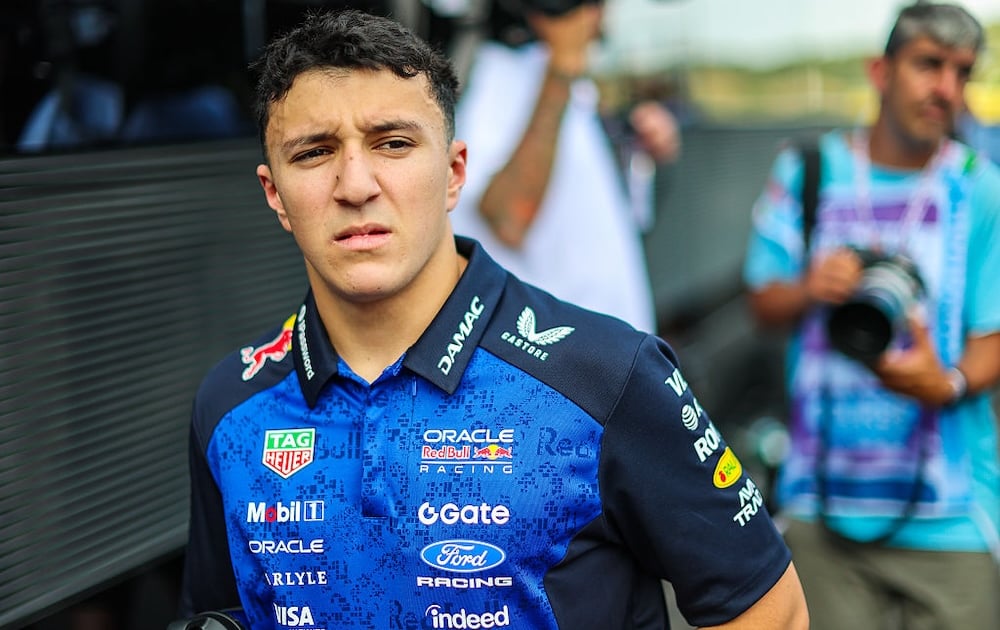
Isack Hadjar will miss Zandvoort after a wrist injury in the break, and Liam Lawson gets the call. In Red Bull land, even temporary seats come with permanent consequences.

NASCAR driver home break-in case: Cobb County accusations deepen
A metro Atlanta man now faces accusations tied to two separate home break-ins, including one involving a NASCAR driver who died in a plane crash.
Fantasy Football Breakout Players 2026: the names worth chasing
Draft season is creeping up, and the smart money starts with breakouts. Here’s where the real fantasy profit lives in 2026.