
Chicago Bears Stadium Deal: Illinois Keeps the Team Home
The Indiana smokescreen is burning off, and the real game is money, dirt, and leverage.
 Leo Lupo5 min read
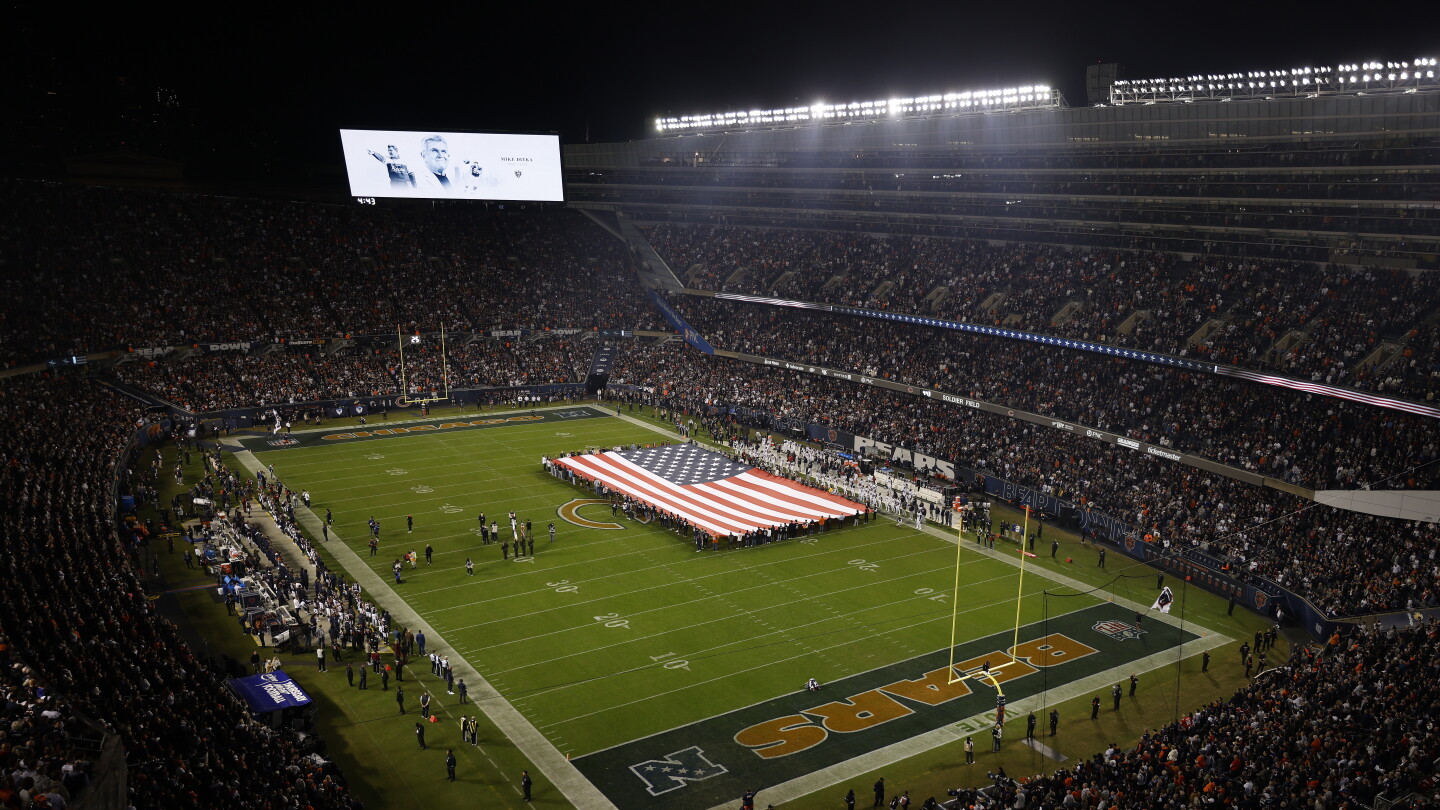
The Bears are done pretending Hammond was the whole story
The Chicago Bears have spent months waving around Indiana like a bartender dangles a free beer after last call. Useful? Sure. Believable? Only if you’re new to this town. Now the noise says the club is close to a deal to stay in Illinois, which is the part most people figured all along. The stadium flirtation across the border had all the polish of a negotiating stunt, and about as much long-term romance.
This is where sports and civic theater always meet: in a parking lot, with a pile of renderings, a handful of lobbyists, and somebody insisting the numbers work this time. They usually don’t. Not cleanly, anyway. But the Bears have one advantage that never goes out of style — they are still the Bears, and in a city like Chicago that means they can threaten to leave and still keep the room’s attention.
Indiana was leverage, not destination
The Hammond chatter never needed to become a full-blown love story. It was a pressure point. A way to remind Illinois officials that if they sit on their hands too long, some other state will happily roll out the red carpet and the tax breaks. That’s how these stadium wars go. Nobody’s building cathedrals out of pure civic pride. They’re building them with public money, private profit, and a press conference smile.
The Bears know the script. So do the politicians. And so do the fans, who are usually the last people invited to the table but the first ones asked to pay for the chairs.
There’s a reason this matters beyond the team’s zip code. A new stadium changes the business of the franchise, the real estate around it, and the political map around it. Stay in Illinois, and the club keeps trying to stitch itself to the city and the suburbs without fully choosing either. Go to Indiana, and the Bears become a regional franchise in the most literal sense, which is a fancy way of saying Chicago would have to swallow a hard one.
What a deal in Illinois really means
A deal to stay in Illinois does not automatically mean the Bears have found their forever home. It means they’ve found the next round of the fight. Stadium plans are never just about where the team plays. They’re about who owns the land, who pays for roads, who gets the naming rights, who sits in the luxury suites, and who gets left holding the bill when the ribbon is cut and the parking lot starts cracking.
For the Bears, staying in Illinois would keep the political heat closer to home. That cuts both ways. It’s easier to sell a “keep the team here” message in this state, especially with the NFL as a giant national cash machine and every owner looking for his next revenue stream. But it also means the team has to live with every local headache: traffic, taxes, neighborhood pushback, and the usual parade of elected officials who suddenly discover the stadium issue after years of pretending to be above it.
You can also hear the old Bears ache in all this. Soldier Field has history, sure, but history doesn’t fix sightlines, concourses, or the feeling that the place was always a compromise. It’s a charming compromise if you’re selling postcards. It’s a tougher sell if you’re trying to keep pace with modern NFL money.
The Bears don’t need a new stadium story. They need a real plan, and those are harder to fake.
The money game is the only game that matters here
Here’s the part nobody in the polished suits likes to say out loud: this whole thing is about leverage, not loyalty. Stadium talks always begin with slogans and end with invoices. The Bears can point to economic development. Illinois can point to jobs and tourism. Everybody can point somewhere else when the bills arrive.
If the team really is closing in on an Illinois arrangement, then the smart money says the state has decided it would rather deal than lose the headline. That’s understandable. Losing the Bears would sting, and not just because of football. It would hit civic pride, sports identity, and a chunk of the city’s self-image that’s been around since leather helmets and bad weather.
Still, fans have learned not to confuse a location decision with a promise of competence. A new building doesn’t fix bad football. It doesn’t manufacture a quarterback. It doesn’t turn a franchise into a winner by osmosis. The Chicago Bears have spent enough years making their own problems. A new address won’t magically cure that disease.
And if you want the broader calendar picture on how teams use offseason windows to shape the next few years, our MLB offseason dates and trade-rumor roadmap shows the same basic truth in another league: timing is power, and teams know how to squeeze it.
What I’ve learned after forty years on the beat
I’ve seen this movie in different jackets. Same cast, different city. The team acts restless. The politicians get defensive. The public gets sold a picture of progress drawn on glossy paper. Then the hard questions show up late, after the cameras move on. That’s when the smart operators cash their chips and the rest of us are told to admire the architecture.
My read? The Bears are not begging to leave. They’re trying to make everybody believe they might. Big difference. It’s a negotiation tactic as old as the league itself, and the folks playing this game know Chicago is too attached to the Bears to call the bluff without blinking. That’s why Indiana was always a prop in the first place.
The real test is whether Illinois can force a deal that looks like civic progress instead of a subsidy with better branding. If the state and the team can’t get there, then all this theater was just a warm-up act for the next round of political sniping. And if they do get there, nobody should mistake that for clean business. Stadium deals are never clean. They just get laundered through enough speeches until they sound that way.
The clock is ticking, the maps are getting redrawn, and the Bears are still playing the oldest road game in the business. Watch the money. The rest is scenery.
More from Straight From The Bench
Comments
Join the conversation — sign in to leave a comment.
Sign in to commentRelated Stories
Jeffery Simmons trade update: Titans never planned to deal him
Tennessee says it never intended to move Jeffery Simmons, but the Bears’ call proves how fast the league can turn a cornerstone into a conversation. The real story is what that says about the Titans’
NFL Week 8 Picks: Panthers at Packers, Ravens at Bills and More
Week 8 arrives with the league’s first real sorting hat in place. Green Bay, Buffalo and Baltimore carry the kind of gravity that exposes the thin places in a season.
Steelers vs Browns: Cam Heyward, Jared Verse dirty-play feud
Cam Heyward says Jared Verse’s “dirty” jab will be answered Sunday, and that is exactly the kind of sentence this rivalry has been waiting to hear. The Steelers and Browns don’t need much to turn a ga