
Chicago Sky vs Indiana Fever: Stephanie White Defends Carrington Foul
A hard stop, a louder lesson, and the league’s old bruise showing through again.
 Beatrice Kensington6 min read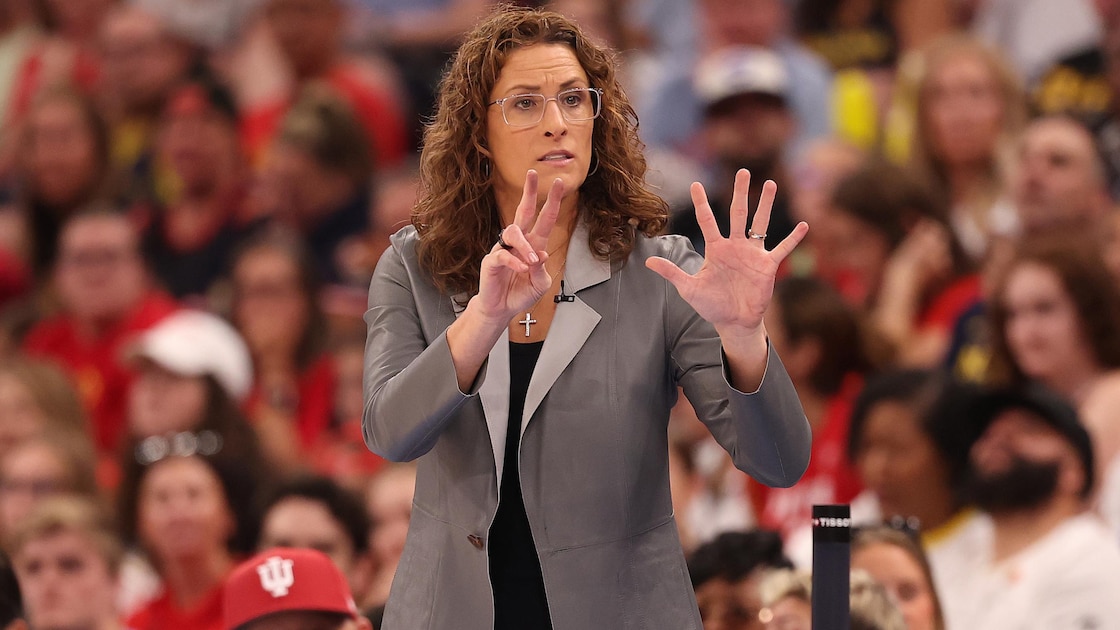
Chicago held its breath for a beat, then the whistle and the replay did what they so often do in this league now: they turned a collision into a referendum. DiJonai Carrington’s hard foul on Sophie Cunningham ended with an ejection, but the larger story came after the game, when Stephanie White chose not to treat the play like some moral emergency. She defended Carrington’s decision to go for the ball, and in doing so she reminded everyone that basketball, at its most honest, is still a sport built on split-second judgment and imperfect bodies moving at full speed.
The foul itself will be replayed, slowed down, argued over, and clipped into every corner of the internet. That is the modern ritual. But the real weight of it lives in what comes next: how the Chicago Sky, the Indiana Fever, and a league still growing into its own identity choose to talk about contact, consequence, and control.
The foul, the ejection, and the instant temperature shift
Carrington’s ejection mattered because it crossed the line officials are paid to guard. Once that happens, the conversation stops being about physical defense and starts being about discipline, optics, and safety. That is not unique to the WNBA; every league with a pulse lives with this tension. But in women’s basketball, where the sport’s mainstream audience has ballooned quickly and every contentious moment now arrives under a microscope, the reaction can feel amplified, almost ceremonial.
Sophie Cunningham, a physical player in her own right, was not some fragile figure drifting through traffic. She was involved in a play that drew force, not finesse. That distinction matters. A hard foul is not automatically a dirty one, and the league has to preserve enough room for real basketball to remain a contact sport. The problem comes when force stops looking like a basketball solution and starts looking like a message.
The league does not need less edge. It needs better judgment.
That line sits at the center of this whole episode. Officials judged the act as excessive. White, from the Indiana side, saw something different in the intent behind it. Both can be true in a game that moves this fast.
Stephanie White’s defense and what it says about the Fever’s posture
White’s remarks were notable not because she excused recklessness, but because she refused to perform outrage for the crowd. Coaches are often expected to speak in the language of outrage management, to signal righteousness before the next media cycle hardens. White, instead, sounded like a basketball lifer. She understood the instinct to make a play on the ball, even if the result went too far.
That matters for Indiana because the Fever have become a team every opponent now approaches with a little more heat, a little more nerve. The spotlight around the franchise has grown into something almost architectural, shaping every possession and every shove at the block. With that comes a new kind of scrutiny. Players who might once have drawn a shrug now draw a frame-by-frame debate.
White defending Carrington also speaks to a deeper coaching truth: players do not become more composed because adults around them panic. They become more composed when the message is clear and consistent. Protect your people. Play hard. Know the line. Don’t cross it. That’s the bargain.
Chicago’s edge, and the danger of living too close to it
The Sky have built an identity that leans into toughness, into resistance, into the kind of basketball that asks the other team to earn every inch. There is a noble version of that. There is also a version that becomes self-defeating if emotion starts driving the car.
Carrington is a player whose edge is part of her value. Teams need that kind of defender, the one willing to stick a hip in the path, challenge the dribble, make the lane feel crowded. But edge without control can become a liability in a hurry, and ejections are not just symbolic. They change rotations, alter game plans, and leave teammates to absorb the consequence.
For the Sky, that is the practical cost. For the league, the stakes are broader. The WNBA is trying to protect the fierce, tactile style that has long been one of its great virtues while also proving it can police dangerous contact without turning every hard foul into a culture war. Those two goals will not always coexist peacefully.
The trick is that the league’s rise has made these moments more visible, not necessarily more common. Fans notice more. Broadcasters linger longer. Social media stamps every frame with certainty. A play that once lived and died in a quarter now becomes a five-hour argument about intent, gender, toughness, and respectability. That is the burden of attention.
What this says about the league’s growing pains
I have covered enough sports to know that leagues rarely get tested by their easiest nights. They are tested by the moments that expose their nerves. This was one of those moments for the WNBA. Not because one foul will alter the season, but because the reaction to it reveals how much the league has changed and how little some of its old habits have.
Back when women’s basketball lived in the margins, physical play was often dismissed rather than dissected. Now every hard hit arrives with the full force of national conversation. That is progress, and it is also pressure. The WNBA wants the credibility that comes from higher stakes, bigger crowds, and sharper scrutiny. It also has to live with the fact that scrutiny does not come with mercy.
My read is simple: the league should not overcorrect. If basketball becomes a game where any force above a gentle nudge is treated like sacrilege, then it loses part of its marrow. But if players learn that “going for the ball” is a phrase that can cover anything, the league drifts toward harm and away from trust. The answer sits in the middle, where adults usually prefer not to stay for long.
The smarter standard is this: punish the excess, not the entire appetite for physical defense. That is how a league protects the game without sanding off its character.
What to watch next for Sky and Fever
Keep an eye on how both teams carry this into their next meeting and beyond. Do the officials tighten the whistle around these matchups? Do coaches start warning players away from the edge entirely, or do they teach them to sharpen it? And how does Carrington respond after a moment now permanently filed under “seen on replay”? Those questions matter more than the noise around the clip.
For Indiana, the key is not sermonizing; it is poise. For Chicago, it is discipline. For the league, it is consistency. Those three things rarely arrive together, but they are what separate a hard basketball game from a reckless one.
The next whistle will tell us plenty. So will the next choice not to foul.
More from Straight From The Bench
Comments
Join the conversation — sign in to leave a comment.
Sign in to commentRelated Stories

Boerne Little League World Series berth: replay drama takes another turn
Boerne thought it had a clear path to Williamsport. Instead, a judge’s ruling shoved the Southwest Region back into a must-win game and put the berth on hold.

Indiana Fever Stephanie White firing rumors: what’s really going on
The Fever aren’t firing Stephanie White over a Sophie Cunningham foul. But the noise says plenty about the pressure in Indianapolis.

Tulsa National Little League World Series: restraining order opens path
A Texas restraining order has given Tulsa National Little League a second chance in the Southwest Region race. The baseball now waits on the courthouse calendar.