
Chris Spatola dies at 47: Duke and college hoops lose a voice
A sharp basketball mind, gone far too soon.
 Zane Miller5 min read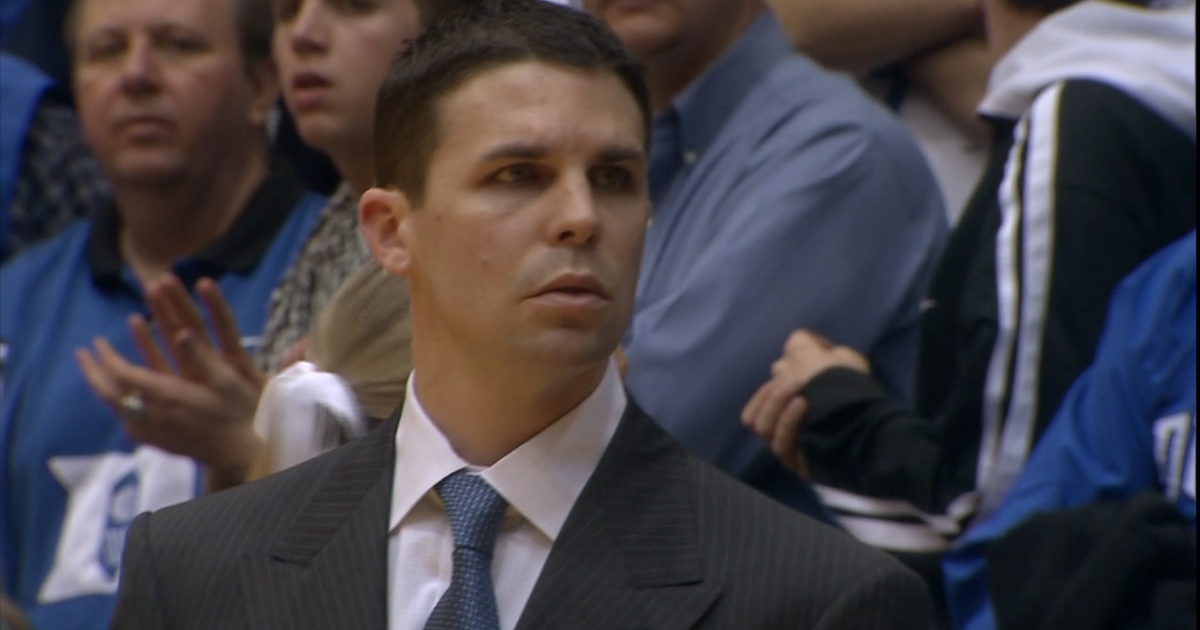
Chris Spatola was one of those basketball people who made the room better the second he walked in. Smart without being stiff. Connected without playing the nonsense game. And now college hoops is dealing with a loss that reaches far beyond Duke.
Spatola has died at 47, leaving a jolt through the sport’s inner circle and a real emptiness inside the Duke family, where he was known not just as Mike Krzyzewski’s son-in-law but as a trusted basketball mind in his own right. That distinction matters. He was not a ceremonial add-on to the Krzyzewski orbit. He was part of it because he earned it.
Duke loses more than a family link
Duke has a long history of exporting elite players, coaches and analysts into the larger basketball ecosystem, but Spatola’s place in that network was a little different. He was connected to the program, yes, but he also had credibility because of the way he spoke the game. He had the kind of cadence scouts, coaches and media people respect: precise, grounded, no wasted words.
That matters in a sport that runs on relationships as much as film. Duke is still one of the biggest brands in college basketball, and any death tied to that program lands with extra weight because the tree is so deep. Spatola was part of that tree, and the basketball world knew it.
This is also the sort of loss that hits harder inside an operation like Duke than outsiders may realize. Programs built around consistency and institutional memory don’t just lose people on the bench. They lose connectors. Translators. The folks who understand the players, the staff, the alumni, the fans, and the weird little cultural codes that hold a giant program together.
Why Spatola mattered in the basketball conversation
Analysts can get noisy fast. Hot takes sell. Volume gets rewarded. Spatola played a different game. He was in the lane of informed, steady commentary — the kind teams still value even if the TV landscape rewards the loudest voice in the room.
He also represented something college hoops leans on more than people admit: former players and program-connected voices who can explain the sport from the inside without turning every segment into theater. That’s not a small thing. As roster turnover speeds up and transfer decisions become almost year-round, the best analysts are the ones who can read fit, culture and pressure points in real time.
College basketball just lost one of the people who made the sport feel smaller, smarter, and more connected.
There’s a reason names like Mike Krzyzewski still carry such gravity. It’s not just the wins. It’s the network. The people around the coach. The former players, assistants, family members and lieutenants who become part of the basketball bloodstream. Spatola fit that mold — not as a celebrity, but as one of the voices that made the Duke machine feel human.
The human side of a basketball life
I’ve covered enough of these moments to know the public part is never the whole thing. The open condolences, the clean quotes, the polished tributes — all of that is real, but the deeper loss is usually private. It lives in the text threads. The calls that go unanswered for a while. The old stories that stop feeling like stories and start feeling like receipts from another life.
From my seat, this one hits because Spatola stood at the intersection of basketball and family in a way a lot of people around the sport can understand but not many can sustain. That’s a pressure cooker. Your name is linked to a legend. Your opinions get more scrutiny. Your presence can be read three different ways before lunch. And still, he carved out a reputation based on basketball intelligence, not just proximity.
That’s the part worth remembering. In this era, access is cheap and authenticity is expensive. Spatola had the latter.
College basketball loses too many people in the margins — the steady voices, the recruiters, the analysts, the behind-the-scenes bridges — and then acts surprised when the conversation gets flatter. This is one of those losses that reminds you the sport is built on a lot more than the box score.
What this means for Duke and the broader sport
Duke will feel this one in waves. First in the immediate family sense, then in the alumni network, then across the broader college game where Spatola’s voice was recognized and respected. The program’s brand is huge, but the real Duke ecosystem is made up of human relationships that stretch far beyond Cameron and Durham.
This also lands at a time when basketball commentary is increasingly split between outrage and overload. Voices like Spatola’s matter because they slow the game down. They explain. They contextualize. They remember that most of what decides a season is not a viral clip, but fit, discipline, health and trust.
If you want the cleaner basketball story here, it’s this: the sport lost one of the people who helped make sense of it.
That’s not nothing.
And for a program like Duke, the next step is not about replacing him. You don’t replace somebody who had both family and basketball credibility. You honor the space he held, and you let the people who knew him best carry that forward.
The tributes will keep coming. They should.
The bigger loss won’t show up on a bracket. It already hit the people who knew exactly what he meant.
More from Straight From The Bench
Comments
Join the conversation — sign in to leave a comment.
Sign in to commentRelated Stories
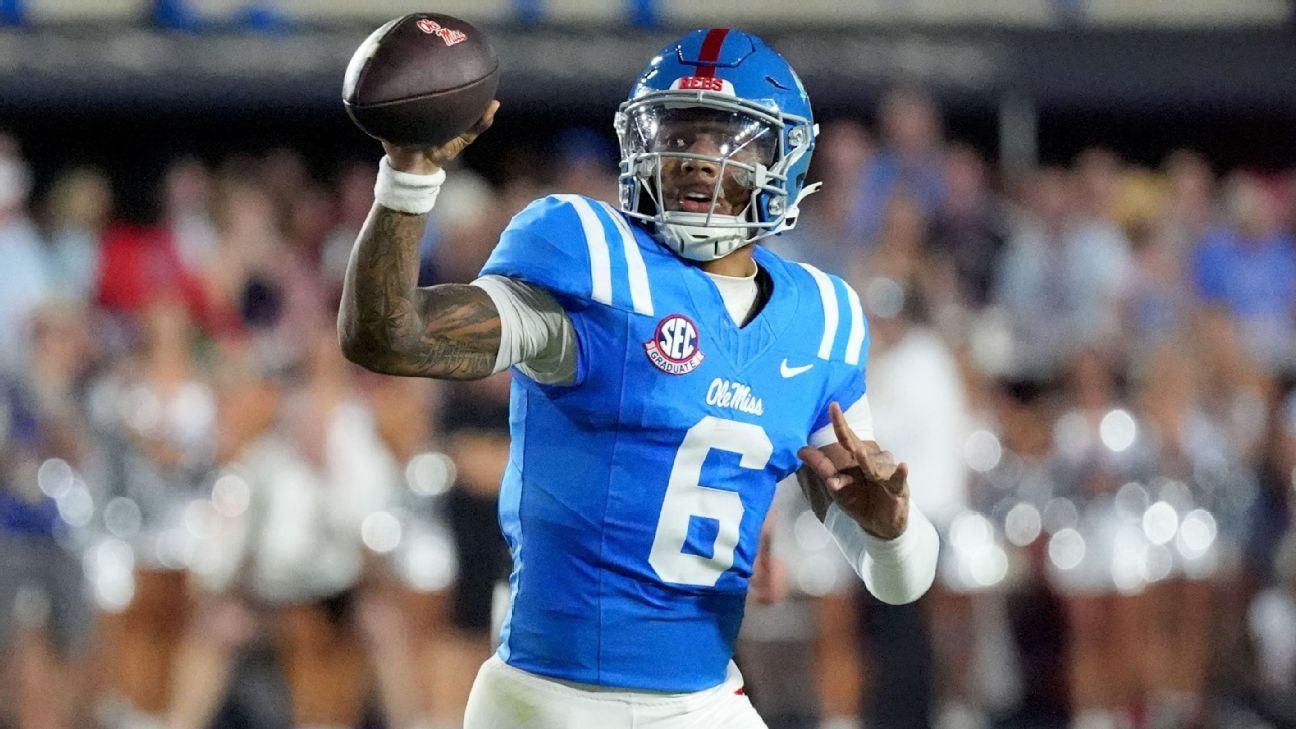
Ole Miss Trinidad Chambliss Heisman Case: Week 3 Surge
Trinidad Chambliss made his Heisman case loud and physical in Week 3. Ole Miss has a quarterback who can tilt a race before October even arrives.
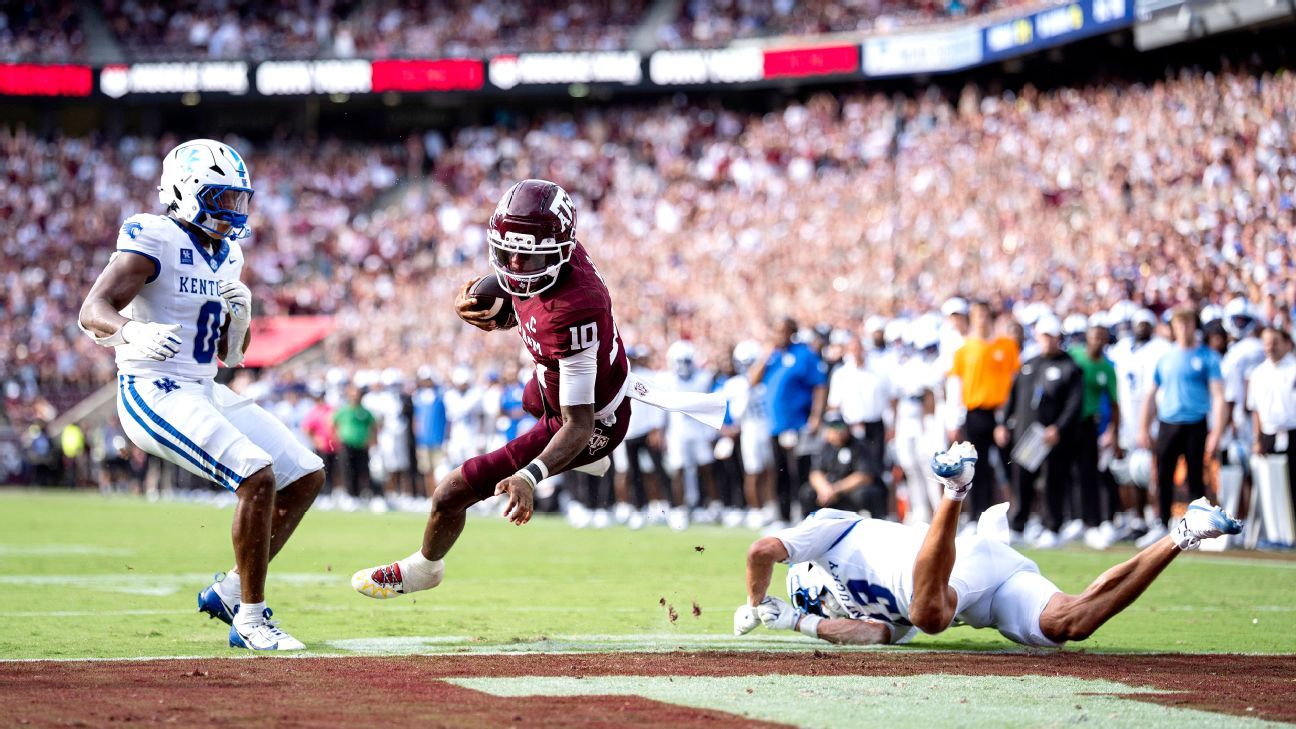
College Football Playoff 2026 Bubble Watch: Week 3 Pressure
Week 3 didn’t settle the playoff picture. It sharpened the knife. Now the Bubble Watch turns nasty, especially for the SEC.
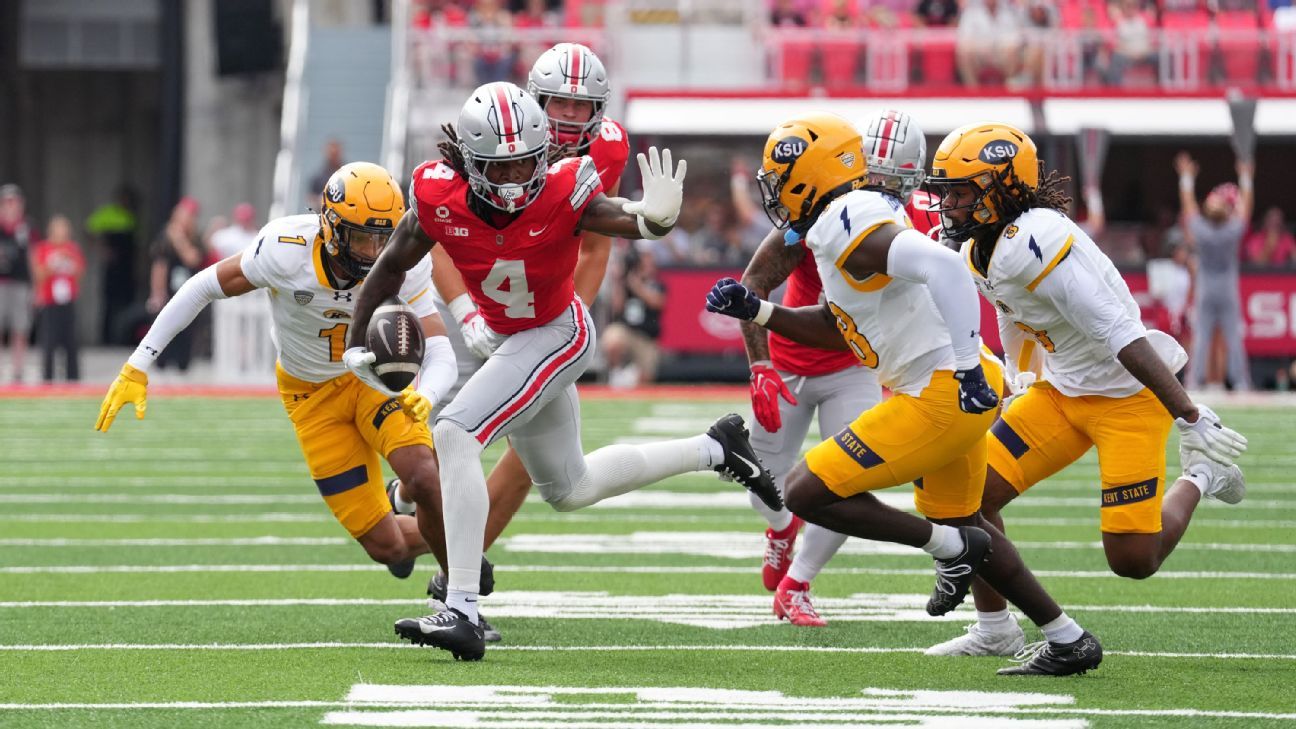
College Football Playoff projections: Week 3 shakes the bracket
Week 3 brought chaos, near-misses, and a few statement wins that will travel well with the committee. The bracket is already breathing differently.