
Coco Gauff racist comments after China Open match spark backlash
The tennis is one thing. The ugliness online is another.
 Zane Miller5 min read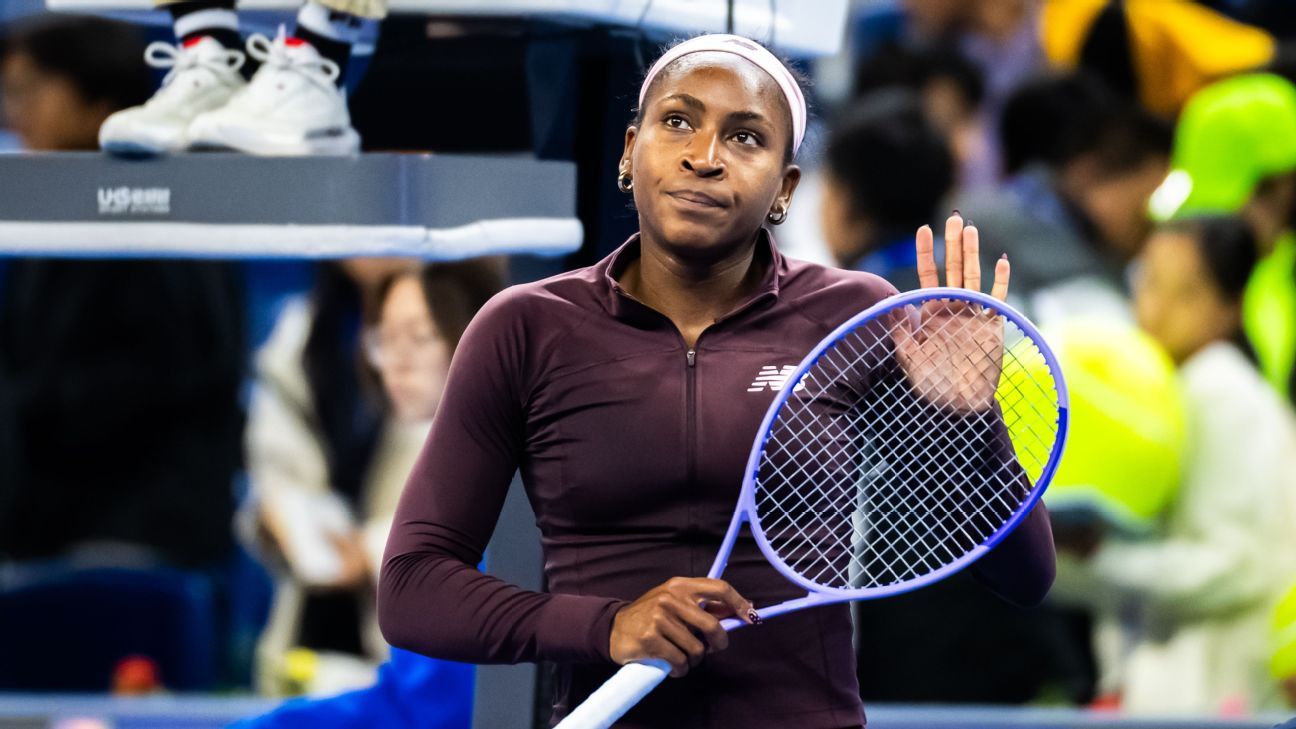
Coco Gauff walked off a court in Beijing with a win. What followed was the part nobody should have to play through: a flood of racist comments aimed at her after a disputed point in her China Open match against Sun Xinran.
That’s the headline, and it’s a bleak one. Not because the tennis wasn’t competitive. Not because the point didn’t matter. Because once again, a Black woman athlete had to become the target after a call went sideways and the internet did what it does worst.
Gauff said the volume of abuse was "insane." That word lands because it doesn’t need embellishment. This isn’t the old-school version of fan anger where people yell at a screen and move on. This is organized ugliness, amplified by algorithms and delivered straight to an athlete’s phone.
The point in Beijing turned into something bigger
The match itself should have been the story. Instead, one disputed moment became a permission slip for some of the worst instincts in social media sports culture.
This is where tennis, more than almost any major sport, keeps running into the same problem. The sport has an elegant product on court and an unruly ecosystem off it. When officiating is questioned — and it always is — the temperature jumps fast. Add a home player, add a high-profile American star like Coco Gauff, and the discourse can curdle in a hurry.
There’s no excuse here, and there’s no meaningful “context” that softens it. Racist abuse isn’t criticism. It’s not passion. It’s the cheap, cowardly side of sports fandom wearing a jersey it doesn’t deserve.
For Gauff, this also lands differently because she has already lived in the spotlight long enough to know how quickly a tennis match can become a referendum on everything except tennis. That’s the tax elite women’s players pay online. The better they get, the louder the backlash gets.
Social media keeps exposing tennis’s ugliest corner
The sport has a moderation problem, but it also has an accountability problem. Players are expected to answer for every line call, every review, every emotional reaction. Fans get to hide behind anonymous handles and type poison with zero consequence.
The match ended, but the abuse kept serving.
That’s the part tennis leaders can’t keep waving away. The WTA and tournament organizers can issue statements, but players don’t need more polished language. They need harder barriers, faster reporting tools, and actual consequences when accounts cross the line from opinion into hate.
And this is not a niche issue. Gauff is one of the sport’s most visible stars, a face of the WTA Tour and one of the rare players who pulls in casual fans beyond the core tennis crowd. If someone with her profile can get buried under racist abuse after one controversial point, then the problem is not isolated. It’s structural.
The scary part is how predictable this has become. Disputed call. Viral clip. Dogpile. Racist pile-on. Apology posts from strangers who never should have been allowed into the conversation in the first place. The cycle is exhausted, and the sport still hasn’t broken it.
Why this hits harder for Gauff
Gauff has never been marketed — or treated — like a normal player. She’s been a prodigy, a star, a standard-bearer, and a lightning rod all at once. That creates a bigger platform, but it also creates a harsher social media current when things get tense.
This is where the historical layer matters. Black women in sports get scrutinized differently, and tennis has its own long memory of that reality. Gauff is carrying the modern version of that burden while also trying to win matches and manage the emotional load that comes with being one of the biggest names in the draw.
That matters for performance, too. Players say they stay locked in, but the noise follows them into the next match, the next practice, the next press availability. You don’t just shake off a wave of racist abuse because the final score says you advanced.
I’ve covered enough sport to know this: when an athlete like Gauff speaks this plainly, it usually means the volume was bad enough to drown out the usual PR-friendly response. My read? This is one of those moments where the league and the platform companies will offer the standard language, and the real weight will still sit on the player’s shoulders. That’s the broken part.
The broader picture is ugly, but not mysterious. Tennis has global reach, a heavy betting and social-media overlay, and a fanbase that often mistakes intensity for entitlement. Put those ingredients together and you get a space where a single call can unleash people who never cared about tennis strategy in the first place. They cared about targeting someone.
What comes next for the tour and the players
The immediate question is how much of this gets handled behind the scenes. Gauff will keep playing. She always does. That’s part of what makes her such a compelling young star. She absorbs the hit, resets, and keeps moving.
But the real test is whether tennis uses this as another warning flare. Not a statement. Not a social post. Actual policy changes, better digital shielding, and stronger coordination with platforms when players are targeted.
There’s a market angle here too, and execs know it. Star power drives interest. Interest drives money. If the sport wants Gauff and players like her to keep carrying the product globally, it cannot keep shrugging when they’re attacked the second a match gets messy. The brand damage from silence stacks up fast.
The tennis calendar rolls on, and so does the abuse unless somebody with power decides it stops here. Gauff already did the hard part on court. The people running the sport need to do theirs off it.
More from Straight From The Bench
Comments
Join the conversation — sign in to leave a comment.
Sign in to commentRelated Stories

Novak Djokovic China Open Title: No. 102 and the old order
Djokovic’s 102nd title is another rung on a ladder that seems to reach the rafters. Alcaraz’s Japan triumph reminds us the chase is no less serious.

Daniil Medvedev China Open Disqualification: Djokovic Advances
Medvedev’s gift for tension finally crossed the line in Beijing, handing Djokovic an easier path and tennis another reminder that temperament can turn the draw.

Daniil Medvedev Disqualification: China Open Semifinal Blowup
Medvedev got himself tossed at the China Open after a ball into the stands struck a spectator. Djokovic moved on, and tennis got another reminder that control matters.