
College Football 2026 Season Preview: 26 Biggest Story Lines
The sport enters September with power, money and anxiety all tangled together.
 Beatrice Kensington7 min read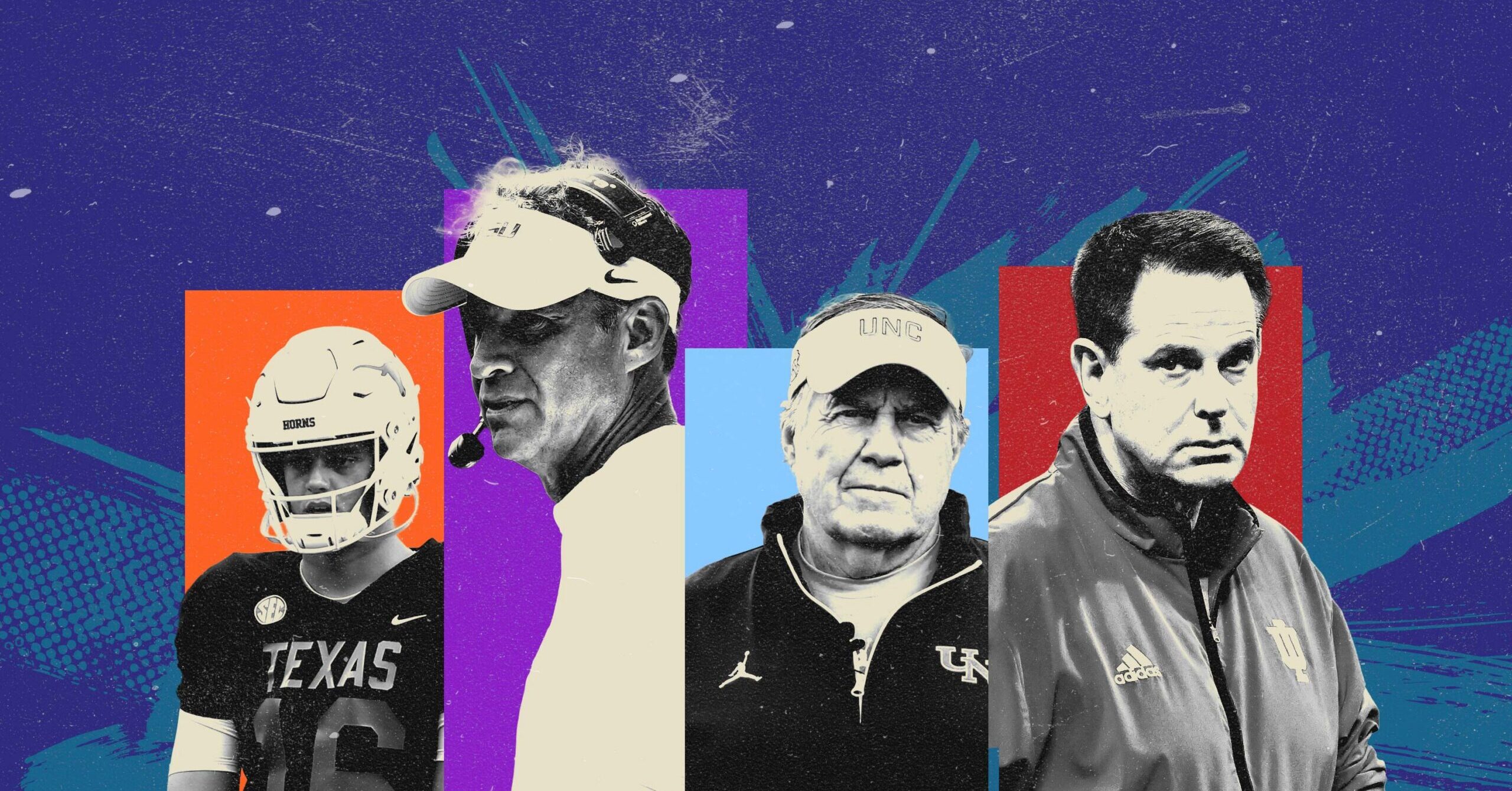
The first snap of a college football season always carries a little weather in it — heat, anticipation, old grievances, fresh hope. But this one arrives under a heavier sky. The 2026 campaign is not merely a race for a trophy; it is a referendum on a sport still trying to decide what it wants to be while the money keeps pouring in and the rules keep bending under the weight of it.
The broad outlines are familiar enough. The College Football Playoff is still the sport’s crown jewel and its most volatile experiment. The power programs still recruit like empires. The coaches still speak in sermons about culture while their rosters turn over like hotel rooms in August. Yet the 2026 season feels especially crowded with consequence because every storyline seems to overlap with another: the transfer market, the expanded playoff, the power dynamics between the old guard and the upstarts, the legal fights humming underneath the grass.
A season built on movement, not continuity
The defining feature of modern college football is no longer development in the old sense. It is movement. Players transfer, coaches pivot, staffs shuffle, and the rest of the country tries to keep up. The offseason is now its own kind of competition, one with winners and losers long before the first coin toss.
That is why the 2026 season previews have such an anxious edge. The old comfort of returning starters and familiar systems matters, yes, but only up to a point. Depth charts are less stable than they were even five years ago. The sport has become a marketplace in cleats, and the most successful programs are the ones that can absorb change without losing their identity.
There is a reason stories about roster management now sit beside stories about rivalry games. This is no longer just about talent. It is about retention, fit, and who can keep a locker room from fraying at the seams when the stakes rise and the noise gets loud.
For a sense of how quickly the sport’s center of gravity can shift, look at the growing attention around player movement across the broader college landscape, including our own look at the College Football Top 100 Players: 2026 preseason ranking. The rankings matter less than the pattern they reveal: elite football is increasingly defined by who can hold onto difference-makers long enough to build around them.
The modern college football season is no longer just played on Saturdays; it is assembled in offices, group chats and transfer windows long before kickoff.
The playoff has changed the stakes, not the nerves
The expanded playoff was supposed to simplify the sport’s great unfairness. In one sense, it has. More teams now have a path into the bracket, and that matters. It gives the season texture beyond the old binary of national-title contender or irrelevant.
But there is a cost to every expansion. The pressure has not disappeared; it has migrated. A wider field does not make the elite programs calmer. It makes them more frantic, more self-protective, more aware that a single bad month can still warp the whole season. And for the schools just outside the velvet rope, the margin for error remains cruelly thin.
This is where the sport’s emotional life gets interesting. Fans want access. Administrators want leverage. Coaches want certainty. Players want a fair shot and a clearer deal. The playoff attempts to satisfy all of those desires at once, and so far it has only managed to expose how incompatible they can be.
The 2026 season is likely to test whether the playoff has broadened opportunity or merely widened the pressure chamber. If you care about the health of the sport, that is the question hanging over everything else.
The old powers still matter — but they cannot just coast
History still matters in college football, perhaps more than anywhere else in American sport. The helmets carry memory. The traditions carry weight. The bluebloods still command attention because they have spent generations building an audience that expects to win before Labor Day and by December.
But the old powers are not immune to the new order. They have to recruit nationally, retain constantly and coach with a kind of administrative vigilance that used to be unnecessary. That is a difficult adjustment for any institution, especially one that once assumed its brand would do half the work.
It also means the sport’s most compelling drama may come from the tension between legacy and adaptation. Some programs will lean on their history as if it were a shield. Others will treat change as oxygen. The ones that survive this era best will not be the ones with the prettiest trophy case. They will be the ones that understand this moment is about infrastructure as much as inspiration.
For the big-name programs, the 2026 season is not just about winning games. It is about proving that the old machinery still runs in a new age. For everyone else, that creates opportunity — and a little chaos.
Coaches, quarterbacks and the fragile business of belief
If college football is an argument, the coach is usually the loudest voice in the room, and the quarterback is the face on the poster. The 2026 season will be judged through both. It always is.
Yet this year, the pressure on those two figures feels sharper because the sport has become less forgiving of long rebuilds and vague promises. A coach who cannot stabilize a roster can lose the room quickly. A quarterback who cannot manage the speed of big-game football may not get the luxury of learning on the job for long. Everyone is supposed to be ready now.
That creates a strange kind of theater. Programs sell patience while acting in a hurry. They preach process while measuring everything in one-season increments. It makes the season feel less like a marathon than a series of sprinted negotiations with fate.
My own view is that this is the most revealing part of the 2026 setup. We spend so much time obsessing over the playoff bracket, the rankings and the headline names that we sometimes miss the deeper question: which schools actually know how to build something durable in a sport that increasingly rewards improvisation?
I have covered enough college football to know that stability is often mistaken for conservatism. It is not. Stability, in this era, is a competitive advantage. The smartest programs are not the loudest ones. They are the ones that can absorb change without mistaking noise for urgency. That distinction will decide more than a few win totals this fall.
What to watch once the first Saturday arrives
The opening weeks will tell us more than any preseason list can. We will learn which contenders have real trench strength and which ones are living off reputation. We will see whether new coordinators can keep their systems from unraveling under pressure. We will find out whether the transfer portal has created depth or only a glittering illusion of it.
There is also the human side, which gets overlooked when everyone is counting rankings. These are still campus teams, after all, built from teenagers and twenty-somethings carrying immense public expectation. A September slip can alter a season’s emotional weather. A November win can lift an entire campus into a different mood. The sport remains a communal ritual, even as its economics grow colder and more complicated.
For fans tracking the broader calendar, our look at Eagles Training Camp Practice Notes: Woolen Picks Hurts Twice and other football coverage shows how quickly preseason narratives can harden. College football is no different: the stories we think are small in August often turn out to be the ones that shape December.
The 2026 season is coming in with too many story lines to count and too much unfinished business to feel settled. That is part of its appeal. The sport is restless, messy and still capable of grandeur. Soon enough, the arguments will move from boardrooms and message boards to the field, where they belong. And then we will see who was built for this season, and who was only built to talk about it.
More from Straight From The Bench
Comments
Join the conversation — sign in to leave a comment.
Sign in to commentRelated Stories

College Football Top 100 Players: 2026 preseason ranking
The 2026 college football top-100 is more than a popularity contest. It’s a draft-board preview, a playoff clue, and a snapshot of where the power sits.

Big Ten NFL Return Ban: College Football’s Latest Wall Goes Up
The Big Ten and SEC are drawing a line around return-to-campus NFL players, tightening college football’s already crowded legal maze. The sport keeps finding new ways to make simple things difficult.
Big Ten NFL Return Ban: New Rule Shuts College Comebacks
The Big Ten has voted to block NFL players from returning to its schools. That sounds niche. It isn’t.