
College Football Top 100 Players: 2026 preseason ranking
The preseason list is already telling us who owns the sport's real oxygen.
 Zane Miller6 min read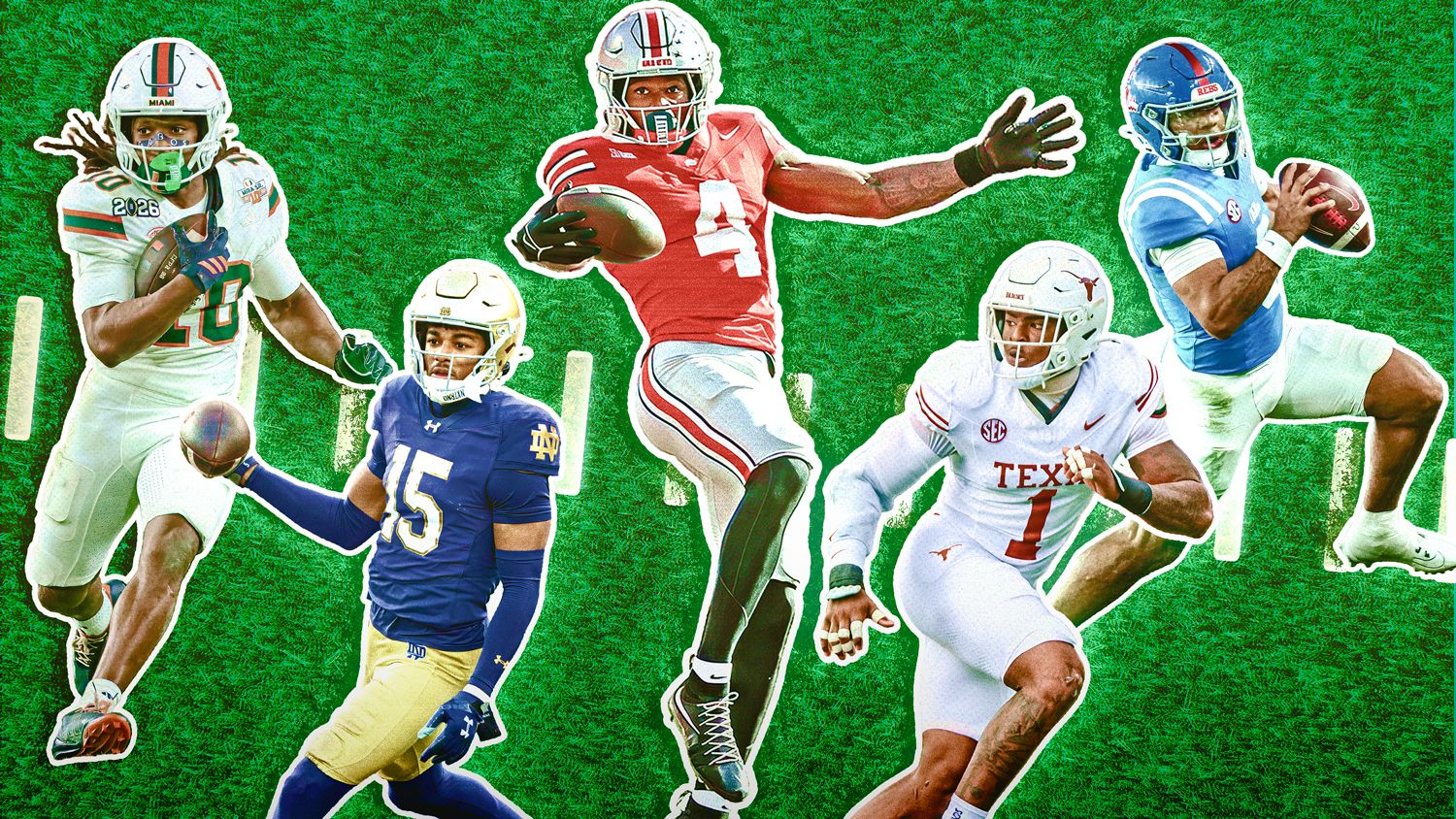
The ranking is the story, but the order is the signal
College football never really waits for September anymore. The machine starts spinning in late August, and the preseason player rankings are part of that. The top 100 players in college football ahead of the 2026 season are not just a flex list for fans to argue over on social media. They are a map of who matters, where the sport’s power lives, and which programs are about to spend the fall leaning on one or two stars to drag them into the playoff conversation.
This is where the annual preseason exercise gets interesting. It is easy to rank the obvious five-star names and the quarterbacks with the national TV shine. The real work is sorting out the linemen, defensive wrecking balls, and do-everything skill players who don’t always show up in casual debates but shape actual Saturdays. That is the whole game in college football now: the stars are fewer, the stakes are bigger, and the best rosters have to stack elite talent at multiple spots because the playoff field rewards depth more than ever.
Quarterbacks still rule, but the margins are tighter
If there is one constant in any preseason top-100, it is that quarterbacks will dominate the top tier. That is not a hot take. It is roster reality. In a sport where one transfer decision can change a conference race, the quarterback remains the most valuable asset on the board.
But the gap between the top quarterbacks and everyone else has shrunk in the portal era. More teams can buy competence. Fewer can buy the kind of week-to-week difference that changes a title race. That matters for how these rankings get consumed. Fans see a name near the top and assume certainty. Coaches see the same name and start thinking about protection, tempo, and whether the defense can actually get off the field enough to let him work.
The ranking also tells you who has the best chance to carry a program through ugly stretches. Not every contender is clean. Some of them need a quarterback to survive one bad Saturday and a depleted roster. Others need a defense built around a monster up front, the kind of player who ends possessions before they start. The top 100 should reflect both types, because that is what the modern sport demands.
For a broader look at how talent distribution is changing across the sport, the rise of Paige Bueckers and the Dallas Wings isn't the same league, obviously, but the lesson is similar: elite names now shape the entire conversation before the games even start. That is the oxygen star players bring.
The transfer portal changed what “top player” even means
This is the part people still fight about every August. Is the ranking about pure ability? Best 2026 projection? Resume? Production? NFL draft stock? The answer, in practice, is usually some mix of all four. And because the transfer portal is now baked into the sport, the top 100 is no longer a clean snapshot of one season in one jersey.
That has real consequences. A star who changed schools after one dominant year may be more valuable than a veteran with three seasons of production but less NFL juice. A player on a loaded roster may be ranked lower than the same guy would be at a smaller program because his touches are shared. That is not a flaw. That is modern college football.
The market is also part of this. NIL turned elite players into actual retention assets, and roster management now looks a lot more like pro front offices trying to protect premium talent from getting poached. Programs with big-brand gravity, better development pipelines, and deeper support staffs are the ones that can keep their best players from becoming year-to-year rentals. That is why ranking season is never just about who is best. It is about who is most secure, most productive, and most likely to control October.
NFL eyes are all over this list
Here is the part executives and agents understand immediately: preseason rankings are not just for bragging rights. They are early draft-season framing devices. A player sitting in the top 10 or top 20 is already building a market. A lineman with that kind of buzz will get every snap scrutinized. A defensive back with elite athletic tools but shaky ball production will be judged differently if the ranking says he is one of the sport’s best.
That visibility matters because college football has become a year-round evaluation cycle. Scouts are not waiting for the combine to decide who they like. They are using preseason lists, spring tape, summer intel, and the first real cluster of games to decide who belongs in the first-round neighborhood. These rankings do not set the draft board, but they absolutely frame it.
Preseason rankings do not create stars. They tell you which stars are already too big to ignore.
The other angle here is pressure. Once a player lands near the top of one of these lists, every imperfect game becomes a talking point. That can be unfair. It is also the price of being the face of a contender. The top-rated players are no longer just expected to be good. They are expected to survive the noise, lead a locker room, and keep their teams relevant in a sport that eats attention fast.
What I’m watching now: the names just outside the spotlight
I always care less about who is No. 1 than about who gets squeezed just outside the very top. That is where the sport tells on itself. If a team has three or four players in the top 100, that is usually a playoff-quality roster. If a league gets dominated by a handful of blue bloods again, the list will show it. If a sleeper program sneaks multiple names into the mix, that is a real clue that its staff has built something sustainable rather than just surviving one lucky run.
My read: the most important names in this ranking are often the ones that force defenses to change how they play, not just the ones with the prettiest stat lines. Give me the trench player who ruins protections. Give me the receiver who breaks coverage rules. Give me the linebacker who erases run concepts before they develop. That is where games tilt. That is where championships start leaning one way.
And yes, the ranking will trigger the usual internet wars about bias, conference strength, and whether one star got pushed too high because his helmet brand is loud. Fine. That comes with the territory. But the better read is simpler: this list is a preseason snapshot of where the sport’s leverage sits. The names near the top are the ones who can make a November game feel like a December game.
The first real test comes fast. By the time the schedule starts stacking ranked-on-ranked matchups, the list will already feel outdated. That is college football now. The hype never sleeps, and neither does the roster churn.
More from Straight From The Bench
Comments
Join the conversation — sign in to leave a comment.
Sign in to commentRelated Stories

Big Ten NFL Return Ban: College Football’s Latest Wall Goes Up
The Big Ten and SEC are drawing a line around return-to-campus NFL players, tightening college football’s already crowded legal maze. The sport keeps finding new ways to make simple things difficult.
Big Ten NFL Return Ban: New Rule Shuts College Comebacks
The Big Ten has voted to block NFL players from returning to its schools. That sounds niche. It isn’t.
College Football Week 0 Odds: Computer Backs Virginia, New Mexico State
Week 0 arrives with a passport stamp and a calculator. Virginia and New Mexico State are drawing computer confidence before the first whistle is even blown.