
College Football Week 0 Odds: Computer Backs Virginia, New Mexico State
The season starts overseas, but the numbers already have a firm opinion.
 Beatrice Kensington6 min read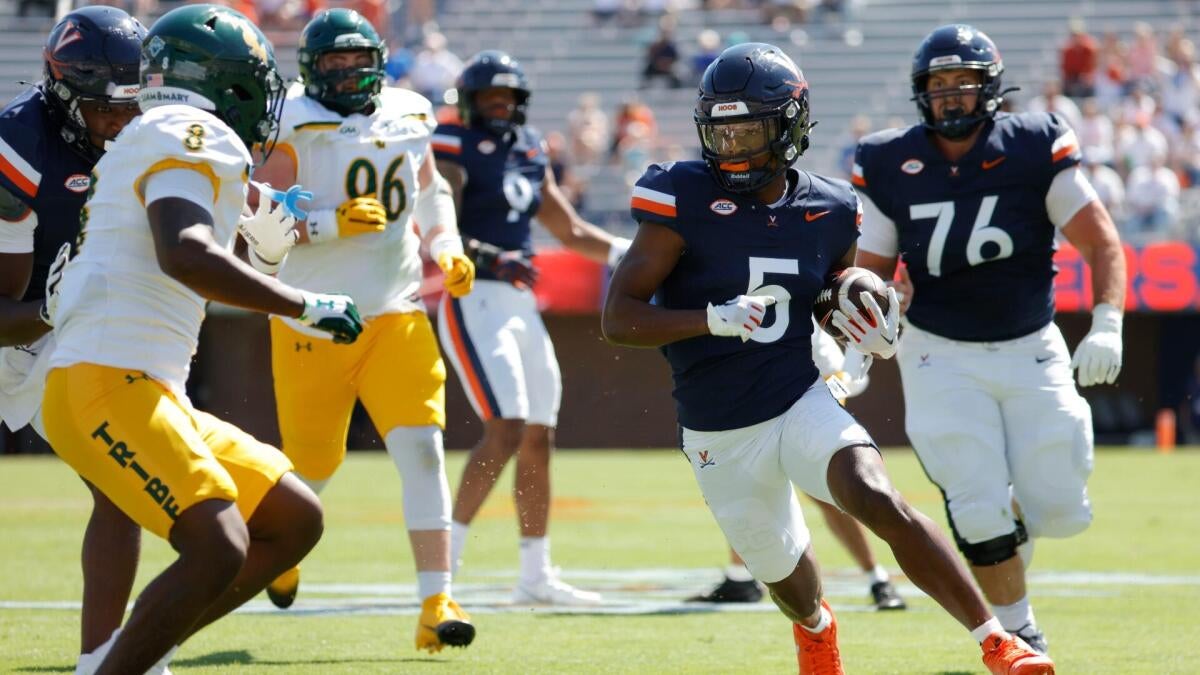
Week 0 always arrives like a visitor who refuses to wait at the door. The pads are fresh, the storylines are half-formed, and in 2026 the season begins with a little extra theatrical flair — first in Ireland, then in Las Vegas, as if college football wanted to remind us that it can be both old-world pageantry and neon sprawl at once. Before a single September rhythm has settled in, the model world has already made its case, and it likes Virginia and New Mexico State enough to put them in the spotlight.
That is the quiet seduction of early-season football. The games are real, the data is thin, and yet the wagering markets and computer projections insist on speaking with certainty. They always do. Some years they are wrong in grand, expensive ways. Some years they catch the shape of things before the public does. Week 0 is the place where those instincts get tested in public.
A season that starts with a stamp in Ireland
There is something fitting about college football beginning abroad, away from the usual Saturday background hum of tailgates and stadium lights. Ireland, of course, does not care about our weathered rituals. It provides a different kind of stage, one that strips the sport down to essentials: travel, acclimation, discipline, and the ability to function when the calendar itself feels slightly off-center.
That matters because Week 0 is never just about who is better on paper. It is about who is ready to handle the first dose of real football after months of camp optimism. Teams can tell themselves stories in August. The field has a way of correcting them.
The models, particularly the better ones, tend to prize continuity here. They like returning production, stable quarterback situations, and coaching staffs that have not spent the offseason sanding down a new identity. That is one reason Virginia has drawn attention. In these early weeks, competence is currency. Teams that can avoid self-inflicted wounds — penalties, busted protections, turnovers born of rust rather than aggression — often look sharper than teams with the flashier roster sheet.
If you want a broader frame for how college football is forever wrestling with rules, eligibility, and roster mechanics, the fight over leverage and access has been ongoing for years; our recent look at the LSU NFL players eligibility fight showed just how much the sport’s calendar and governance can shape on-field reality before the games even begin.
Why computers love the early edges
A model does not fall in love with brand names the way the betting public often does. It does not care whether a team has a glossy helmet or a national memory attached to it. It cares about structure, and in Week 0 structure is often the only thing that can be trusted.
That is why picks like Virginia and New Mexico State can show up as computer-backed plays even when the broader conversation is focused elsewhere. The public tends to chase narratives: the bigger program, the louder fan base, the more familiar name. The computer is colder. It is looking for line value, matchup friction, travel, and the sort of hidden edges that usually go unnoticed until the fourth quarter has already been eaten by them.
New Mexico State, in particular, occupies that interesting mid-range space where a team can be overlooked by casual bettors and still have enough identity to punish laziness. In a short-week, low-information environment, the team that understands who it is — and who it is not — often carries the sharper edge.
Week 0 is where certainty goes to get humbled, and the models know it.
That is not a warning against analytics. It is a reminder of their limits. Early-season projections are strongest when they describe terrain, not destiny.
UNC vs. TCU is the sort of meeting that warps perception
The other marquee piece in this opening slate is UNC against TCU. This is the kind of matchup that will tempt almost everyone to make a season-long statement from a single night’s worth of evidence. That would be unwise, but it would also be very human.
These are programs that live in different pressure ecosystems. One side is trying to prove it can turn athletic promise into durable winning. The other is trying to show that it can keep its edge against opponents who have spent the offseason studying every seam. Early lines in games like this are often shaped as much by expectation as by personnel. The computer, though, tends to strip away the noise and ask one blunt question: who is more likely to execute the simpler football?
That is the hidden drama of Week 0. The first games do not merely introduce teams; they introduce habits. A sloppy snap in August can look trivial in the moment and become the first clue in a larger autumn story. A clean operation can buy a team weeks of confidence. The country often notices the score first. The better lesson is usually in the manner of the score.
What the board is really telling us about 2026
There is a reason these Week 0 projections matter beyond the betting slip. They are a snapshot of how the sport is being understood before it has had a chance to argue back. When computers lean toward certain programs, they are often rewarding maturity over reputation, operational steadiness over recruiting gloss. That is a fairly ruthless judgment, and often a useful one.
I have long believed early college football is where image suffers its first honest audit. Every August, there is a temptation to treat the sport like a pageant of uniforms and preseason hype. Then the ball is kicked, the travel fatigue settles into the legs, and the first ugly quarter reminds everyone that football is still a game of timing, repetition, and nerve. The teams that travel well, communicate well, and avoid trying to impress the season into loving them tend to survive this part of the calendar with their dignity intact.
There is also a cultural piece here, and it is not minor. Week 0 games are increasingly the sport’s opening sales pitch, a package sold across time zones and often consumed by viewers who are half-curious and fully willing to be persuaded. College football has become a year-round industry, but the feeling of first contact still matters. The opener is not just a game. It is a referendum on whether the long waiting period was worth it.
My own lean is to trust the model’s instinct more in August than I would in November, precisely because the sport is so unfinished right now. The public is prone to overreacting to names. The sharper handicapper is usually asking which roster has already done the small things long enough to make them look ordinary. Ordinary wins in Week 0.
The first whistle will tell us what the spreadsheet cannot
The beauty of this weekend is that all the neat arithmetic will soon face weather, nerves, sideline adjustments, and that strange first-game chemistry no projection can fully bottle. Virginia, New Mexico State, UNC, TCU — all of them are walking into a season that can still become almost anything.
The models have spoken. Now the teams have to live with it.
The real answer will arrive in live action, where no computer gets the last hit of oxygen.
More from Straight From The Bench
Comments
Join the conversation — sign in to leave a comment.
Sign in to commentRelated Stories

Big Ten NFL Return Ban: College Football’s Latest Wall Goes Up
The Big Ten and SEC are drawing a line around return-to-campus NFL players, tightening college football’s already crowded legal maze. The sport keeps finding new ways to make simple things difficult.
Big Ten NFL Return Ban: New Rule Shuts College Comebacks
The Big Ten has voted to block NFL players from returning to its schools. That sounds niche. It isn’t.
LSU NFL Players Eligibility Fight: SEC Pushes Back on Rule
LSU’s push to keep chasing NFL-ready talent has the SEC talking. This is about eligibility, leverage, and who gets to define college football now.