
LSU NFL Players Eligibility Fight: SEC Pushes Back on Rule
College football’s old guard is getting squeezed by a new roster economy.
 Zane Miller5 min read
The LSU angle here isn’t just another roster quirk. It’s a flashing neon sign that college football has moved far past the old amateur script, and the SEC knows it. If schools can keep mining the transfer and eligibility maze for experienced bodies, especially players with pro-grade polish, then the gap between “college” and “developmental pro league” gets thinner by the week.
This is where LSU lives now: at the center of the sport’s most aggressive talent market. Not just high school recruiting. Not just the SEC. The whole ecosystem. Programs are trying to stack mature players, older players, and plug-and-play depth wherever the rules leave a crack. And every time one school finds a way to stretch that crack, everybody else starts checking the same door.
LSU Is Testing The New College Football Playbook
The core issue is simple, even if the politics around it aren’t. LSU wants access to as much high-end talent as it can legally assemble, and the current era rewards programs that operate with that kind of edge. If a player can get another season, another window, another path to stay on campus, that’s not just a team-building note. That’s a competitive advantage.
The SEC speaking out tells you the conference sees where this can head. Once you start normalizing extra eligibility paths for older players, the sport starts looking less like a four-year pipeline and more like an endless asset management exercise. Coaches already treat the roster like a cap sheet, even without an actual salary cap. Every scholarship, every return decision, every redshirt year is part of the math.
That math matters more now because the value of experience has skyrocketed. A 23-year-old linebacker with college reps is a different investment than a raw freshman. A veteran tackle can change a protection plan on day one. A seasoned defender can clean up mistakes that younger players still make in September. Programs like LSU aren’t just chasing stars anymore. They’re chasing certainty.
The SEC’s Real Problem: Control
This isn’t just about one school stretching for an edge. It’s about who gets to set the boundaries in a sport where the boundaries keep moving.
The SEC has spent years defining itself through power, depth, and institutional muscle. But the transfer era, NIL, and eligibility wrangling have turned roster control into a constant negotiation. One school’s workaround becomes another school’s grievance. One player’s extra season becomes another coach’s complaint. That’s the sport now.
And let’s be honest: the old nostalgia for amateurism doesn’t survive contact with the current market. The market is already here. Players know what they’re worth. Coaches know what they need. Administrators know the optics are messy, but they also know no one is giving back leverage voluntarily.
This isn’t a purity fight anymore. It’s a control fight.
That’s why the SEC has to speak up even if it knows the train has left the station. If conference leadership doesn’t draw lines somewhere, then the schools with the most ambition — and the most tolerance for gray areas — will keep setting the pace.
Why Older Players Matter So Much Now
There’s a football reason this matters, and it’s not hard to see. Older players are better at surviving college football. Not always more talented, but more survivable. They’ve seen blitzes, injuries, hostile road environments, and enough playbooks to stop getting shocked by the details.
That’s gold in a sport where turnover is constant. Rosters are being rebuilt through the transfer portal and yearly attrition. Programs are asking younger players to grow up fast, then wondering why the margin for error keeps shrinking. The answer is usually sitting two lockers down, wearing a fifth-year jersey and making the defense line up correctly.
LSU understands that reality as well as anyone. The school has to recruit nationally, develop locally, and stay in the hunt against teams that are also mining every eligible advantage. In that environment, experience isn’t a bonus. It’s a currency.
The schools that figure this out best will keep winning the hidden downs: third-and-six, two-minute drills, protection calls, late-game substitutions. That’s where veteran presence pays for itself.
What This Signals For The Next Fight
I’ve covered enough of these college football power struggles to know the pattern. First comes the eyebrow raise. Then comes the complaint. Then comes the rule language, the exception language, the interpretation language, and the inevitable mess when somebody discovers the loophole they’ve been waiting for.
My take: this is a preview of the next major battle in college sports governance, and it won’t be won by the school with the loudest statement. It’ll be won by the side that can turn chaos into structure. Right now, that still feels like a coin flip. The schools want flexibility. The conferences want order. The players want the broadest possible path to value. Those three things can coexist for a while, but not forever.
The SEC knows that if it lets every ambitious program keep stretching for NFL-caliber experience on campus, the competitive balance tilts even further toward the schools best equipped to navigate the gray. And those are almost always the same schools with the biggest budgets, deepest support staffs, and most ruthless recruiting operations.
The next move will tell us a lot. If the conference clamps down, it’s making a statement about control. If it doesn’t, then everybody else knows the new game is already being played.
And LSU? LSU will keep shopping the market. That’s what elite programs do when the rules are loose and the stakes are high.
More from Straight From The Bench
Comments
Join the conversation — sign in to leave a comment.
Sign in to commentRelated Stories
.jpg?w=1120&h=630)
Enes Kanter Freedom WNBA Draft Eligibility: Why It Was Rejected
The WNBA had a clean answer for a noisy question: Enes Kanter Freedom and Royce White are not draft-eligible. The league kept the door shut.
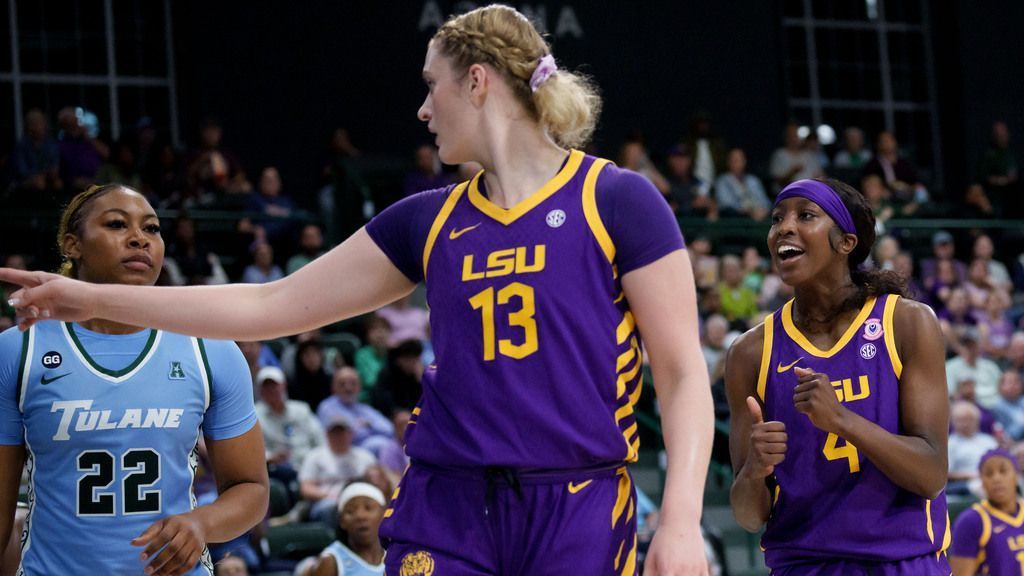
LSU Women's Basketball: Kate Koval Exit After Russian Signing
Kate Koval is out at LSU shortly after the Tigers added a player from Russia. The timing says plenty about modern roster-building and the pressure around it.

RJ Luis LSU Injunction: Judge Opens Door for 2026-27 Season
A Louisiana judge granted RJ Luis an injunction, giving LSU a legal opening to land the former St. John's guard for 2026-27. This is now a real roster storyline, not a rumor.