
Enes Kanter Freedom WNBA Draft Eligibility: Why It Was Rejected
A strange stunt meets a hard rule book, and the league didn’t blink.
 Leo Lupo5 min read
.jpg?w=1120&h=630)
The WNBA didn’t need a drama department on Monday, and it certainly didn’t need a pair of former NBA men trying to walk through the back door wearing a women’s league uniform in their minds. The answer came down firm: Enes Kanter Freedom and Royce White are not eligible for the WNBA draft. Clean. Short. No romance in it.
Good. Because the league has enough real business to handle without playing along with a stunt that never had a serious legal leg to stand on. The WNBA has fought too long for credibility, labor respect, and plain old market footing to let somebody turn its draft into a circus tent. This was never about basketball skill. It was about attention. And attention, as always, showed up wearing cheap shoes.
The rule book was never going to bend for a headline
The WNBA draft is not some open mic night for anybody with a grudge, a platform, or a camera pointed at them. Eligibility has structure. Age, amateur path, draft status — the whole machinery is built to keep the process tied to the league’s actual player pipeline. That matters.
For players who came through the ordinary grind — college ball, overseas development, pro seasons in other women’s leagues — the draft is the doorway. For everyone else, it’s not a revolving saloon door. The league’s decision here says what it had to say: if you don’t fit the rules, you don’t get a jersey because you made noise.
And let’s be honest, this was never going to be treated like a clever loophole. The WNBA’s credibility depends on not turning into a place where any publicity stunt can claim a roster spot. The league is still young enough that every public move is part of the record. It can’t afford to look soft on the basics.
Why this matters more than the stunt itself
The names involved make this messy in a very particular way. NBA veterans showing up in this conversation are not a normal labor dispute or a regular eligibility appeal. Royce White has spent years as a public provocateur. Enes Kanter Freedom has built a second career out of political combat and public confrontation. So when they attach themselves to the WNBA draft, the league is not just dealing with a paperwork question. It’s dealing with a media grenade.
That’s why the answer had to be brisk. No drawn-out seminar. No “let’s review the matter.” The more oxygen this thing gets, the more it drifts away from basketball and into performance art. The league could have spent a week explaining itself and still ended up with the same result. Better to lock the gate and move on.
The WNBA didn’t shut the door because it was scared. It shut it because the door was never theirs to open.
There’s also a larger point here about respect. Women’s sports still get treated like a public square where outsiders can wander in, kick over a chair, and call it a conversation. That’s old trash. The league is past that. Not past all its problems, not by a long mile, but past the point where it has to entertain every provocation as if it’s a serious challenge.
The league’s real challenge is protecting legitimacy
This is where the grown-up work starts. The WNBA has been growing on TV, in attendance, and in national relevance. That growth brings a more annoying kind of attention too — people trying to exploit the platform, hijack the debate, or test the boundary lines just to see if anyone’s paying attention.
The league can’t get careless about any of it. Not the draft, not eligibility, not the public messaging around who belongs and why. If the WNBA ever starts looking like its standards are a joke, the fallout won’t stop at one odd application. It’ll bleed into every argument about expansion, salary, development, and the seriousness of the women’s game.
That’s why I’d rather see the league be a little cold here than too clever. The professional sports world has a long, ugly habit of rewarding the loudest fool in the room because he creates a TV moment. The WNBA doesn’t need that habit. It needs order. It needs a spine.
I’ve been around long enough to remember when leagues used to wave in oddball controversies because they thought any buzz was good buzz. Sometimes it was. Mostly it was junk. The junk always leaves a stain. The WNBA, unlike some outfits I could name, seems to understand that not every headline is a prize worth winning.
And there’s another angle people should keep in mind. If the league starts making exceptions for the sake of novelty, it sends a rotten message to the players who actually grind for years to get a shot. That’s not theory. That’s the whole point of a draft system. It’s supposed to reward the path, not the spectacle.
What to watch next from here
This one may fade quickly, which would be the healthiest outcome. The league has made its position plain, and unless somebody wants to keep banging the drum for a few more clicks, there’s not much left to litigate. Still, the story is a reminder of how often women’s sports get forced to answer weird questions that men’s leagues never have to entertain.
If the WNBA keeps growing — and it should — it will keep attracting this kind of friction. The trick is not to panic, not to perform, and not to let nonsense define the agenda. The league has enough talent, enough momentum, and enough real issues to sort out without renting space to a publicity bid.
For more on how off-court noise can spill onto the floor, see our look at the WNBA protest flashpoint and the broader fight around LSU’s eligibility battle. Different circus, same basic lesson: leagues that don’t hold the line end up explaining themselves forever.
The WNBA held the line. That’s the story. And it should stay that way.
More from Straight From The Bench
Comments
Join the conversation — sign in to leave a comment.
Sign in to commentRelated Stories
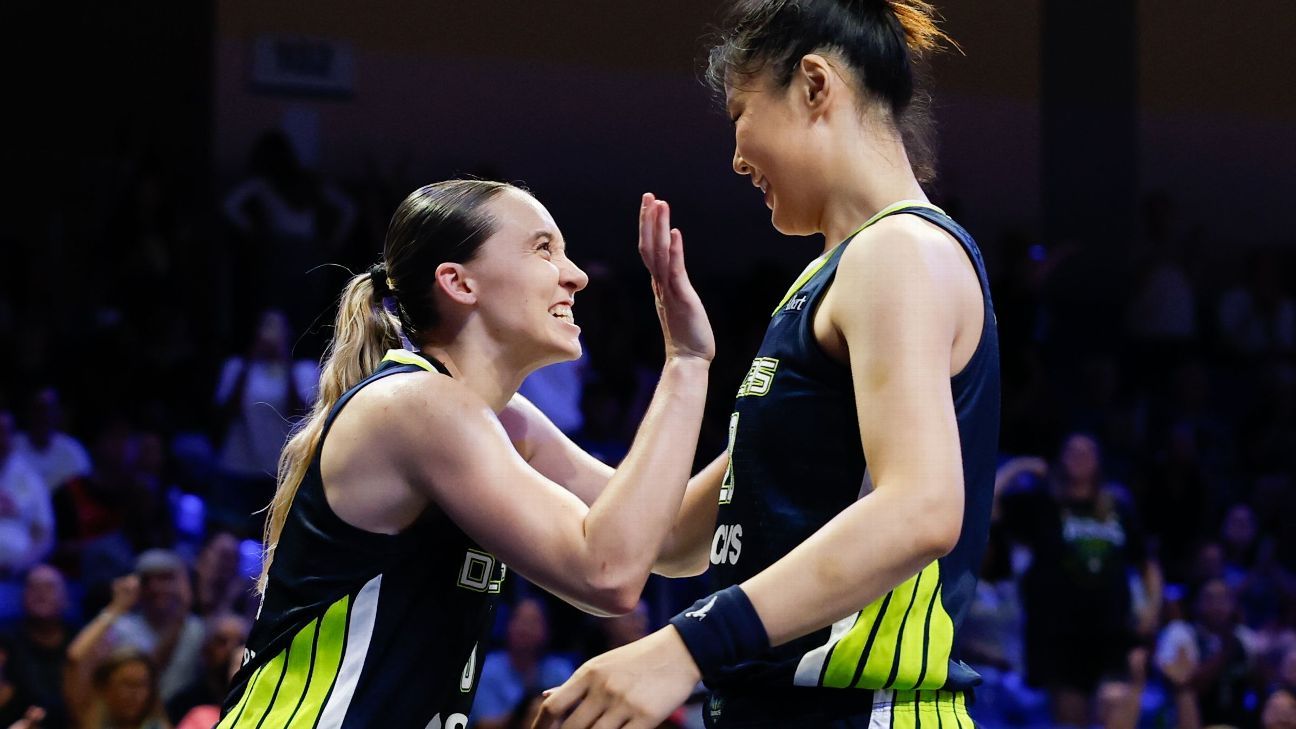
Dallas Wings Playoff Berth: Paige Bueckers Reaches the Postseason
The Wings finished the job with force, beating Portland and locking down the WNBA’s last playoff spot. For Paige Bueckers, the wait is over.
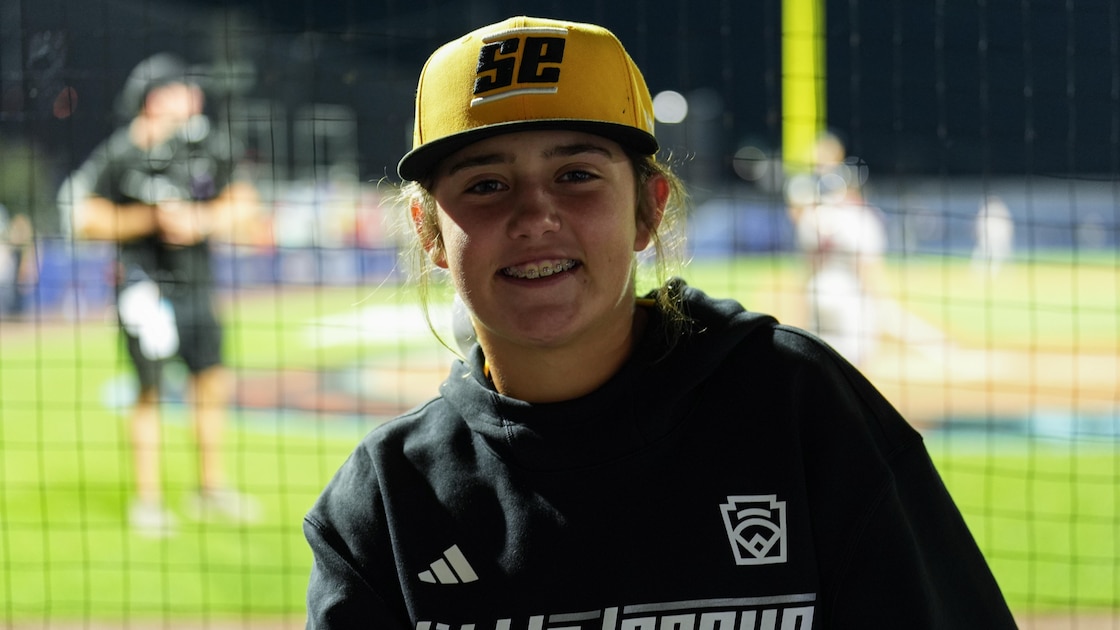
Little League World Series: Kinley Rasmus Leads Phenix City
Phenix City survived another elimination-game test at the Little League World Series. Kinley Rasmus is turning into the face of the run.

Big Ten NFL Return Ban: College Football’s Latest Wall Goes Up
The Big Ten and SEC are drawing a line around return-to-campus NFL players, tightening college football’s already crowded legal maze. The sport keeps finding new ways to make simple things difficult.