
Little League World Series: Kinley Rasmus Leads Phenix City
Phenix City keeps living on the edge, and Rasmus keeps dragging them forward.
 Zane Miller5 min read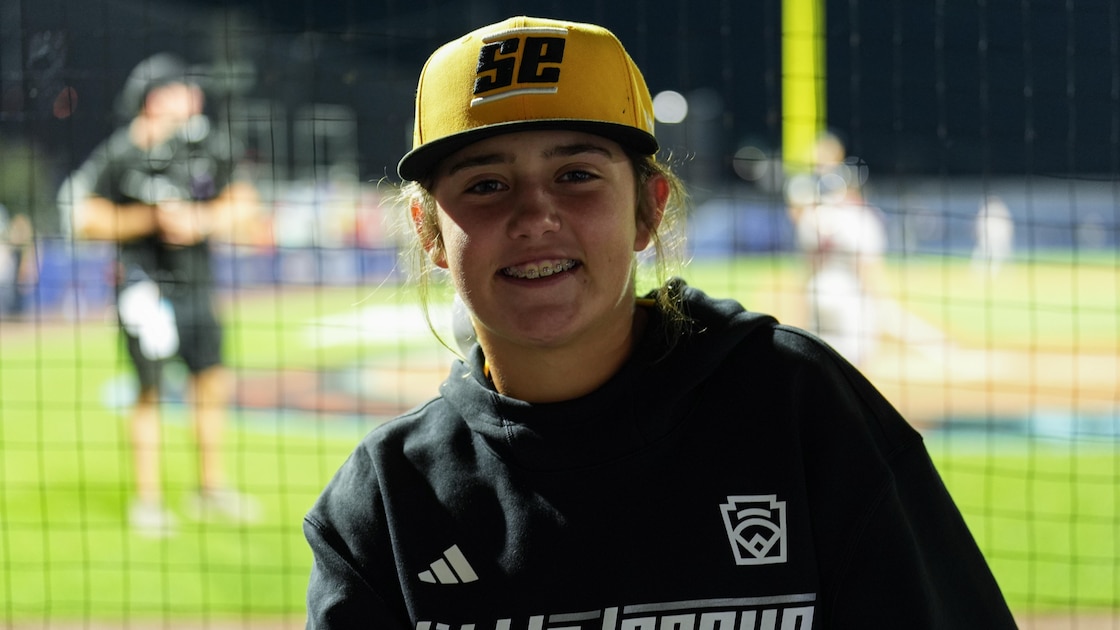
Kinley Rasmus isn’t just part of the story now. He is the story.
Phenix City, Alabama, took another step through the Little League World Series elimination bracket on Tuesday with a 4-2 win over Northwest, and the Southeast reps keep showing the kind of late-summer edge that travels in Williamsport. In these games, nobody cares about style points. Survive, get outs, make the routine play, cash in the one big inning. Phenix City did enough of all three.
Rasmus keeps forcing the spotlight
The headline out of this run is pretty simple: Kinley Rasmus has become the name everybody needs to know.
That matters because the LLWS is built for this kind of emergence. One kid gets hot, one lineup spot turns into a pressure point, and suddenly a region team starts playing like it knows exactly who it is. Phenix City is there now. The swing decisions look calmer. The dugout looks like it believes. And when a team in this tournament settles in, the whole bracket starts feeling it.
This isn’t about one box score line or one viral clip. It’s about timing. In an elimination game, the best players don’t just perform; they stabilize everything around them. That’s what Rasmus is doing for Phenix City. When the margin is tiny and the innings are short, a kid like that changes the emotional temperature of the team.
In Williamsport, star power isn’t a luxury. It’s oxygen.
Why a 4-2 win actually says a lot
A 4-2 result in this setting tells you more than a 10-run blowout ever would. It means the game was tight enough to test nerves. It means every defensive rep mattered. It means the Southeast region club had to win the kind of game that usually gets decided by one mistake, one smart bunt, one ball in the gap, one clean pitching sequence.
That’s the part fans sometimes miss when they only scan the score. Little League baseball is less about big numbers and more about whether a team can keep its shape when the pressure ramps up. Phenix City didn’t need fireworks. It needed poise. It got enough of it to stay alive.
And that’s exactly how teams extend themselves in this event. They stop trying to hit home runs emotionally. They keep the line moving. They make opponents play a perfect game in a format where nobody ever really does.
The elimination bracket turns every inning into a referendum
The Little League World Series elimination path has a brutal clarity to it. Win, keep going. Lose, pack it up. No hiding, no luxury of “we’ll get them tomorrow.” That kind of structure exposes which teams have one more gear when the first plan doesn’t work.
Phenix City clearly has that extra pulse right now. The Southeast region already carries a certain expectation, the kind that comes from being a team with enough talent to make people pay attention before the first pitch. But in a bracket like this, talent alone doesn’t move you. It’s the ability to reset after a bad at-bat or a loud inning. It’s the maturity to keep the dugout loose without getting careless.
If you’re looking at the bigger picture, this is where the event starts separating the nice stories from the real ones. The teams that keep advancing are the ones with a dependable anchor. Sometimes that’s a pitcher. Sometimes it’s a middle-infield backbone. Sometimes it’s one bat that changes how every opponent pitches the lineup. Phenix City appears to have at least one of those levers, maybe more.
What this means for the rest of the tournament
I’ll give you the blunt version: teams like this scare people because they don’t need perfection to win.
That’s why I’m paying attention to Phenix City beyond the usual LLWS novelty. They’ve already shown they can handle the pressure of an elimination game, and that says something about the coaching, the prep, and the temperament of the roster. In these tournaments, plenty of teams are talented. Far fewer are steady. Steady wins the second week.
And I’ve seen this movie enough times to know the pattern. A team gets hot in the bracket, one player becomes the emotional center, and suddenly everybody else gets to play a cleaner version of their game. That’s how deep runs happen. Not with speeches. With a couple of innings where nobody blinks.
For Phenix City, the question now isn’t whether the story is real. It is. The question is how long the run can keep expanding before the bracket finally makes them pay. If they keep defending like this and keep getting timely production, they’re going to force another heavyweight into a very uncomfortable afternoon.
The larger signal from Williamsport
This tournament still does what it always does: it creates names fast. The difference is whether those names belong to a one-day flash or a team that can keep answering.
Rasmus is moving toward the second category. That’s the kind of player people remember from Little League World Series runs for years, because the legend isn’t built on raw numbers alone. It’s built on moments. On a timely hit. A clean inning. A team that keeps surviving when the runway gets shorter.
Phenix City has earned the next game. That’s all you get in August, and honestly, that’s enough.
The bracket gets meaner from here. Good. That’s where teams tell you who they really are.
More from Straight From The Bench
Comments
Join the conversation — sign in to leave a comment.
Sign in to commentRelated Stories

Astros GM change: Jim Crane backs reset, Espada stays put
Jim Crane says the Astros needed a shakeup after parting with Dana Brown, but Joe Espada will get his answer after the season. That’s ownership talking plain.

Humanoid Robot Games: Runners Break Records, Then Burn Out
The robot races dazzled with speed and stumbled with purpose. For all the spectacle, the bigger story is how far machines remain from doing ordinary work well.

Tadej Pogacar Vuelta a Espana Lead: Record Stage 4 Win
Pogacar’s Stage 4 romp was a warning shot, not a warm-up. The Vuelta just got a lot more serious.