
Astros GM change: Jim Crane backs reset, Espada stays put
The owner lit the fuse. Now Houston waits for the payoff.
 Leo Lupo5 min read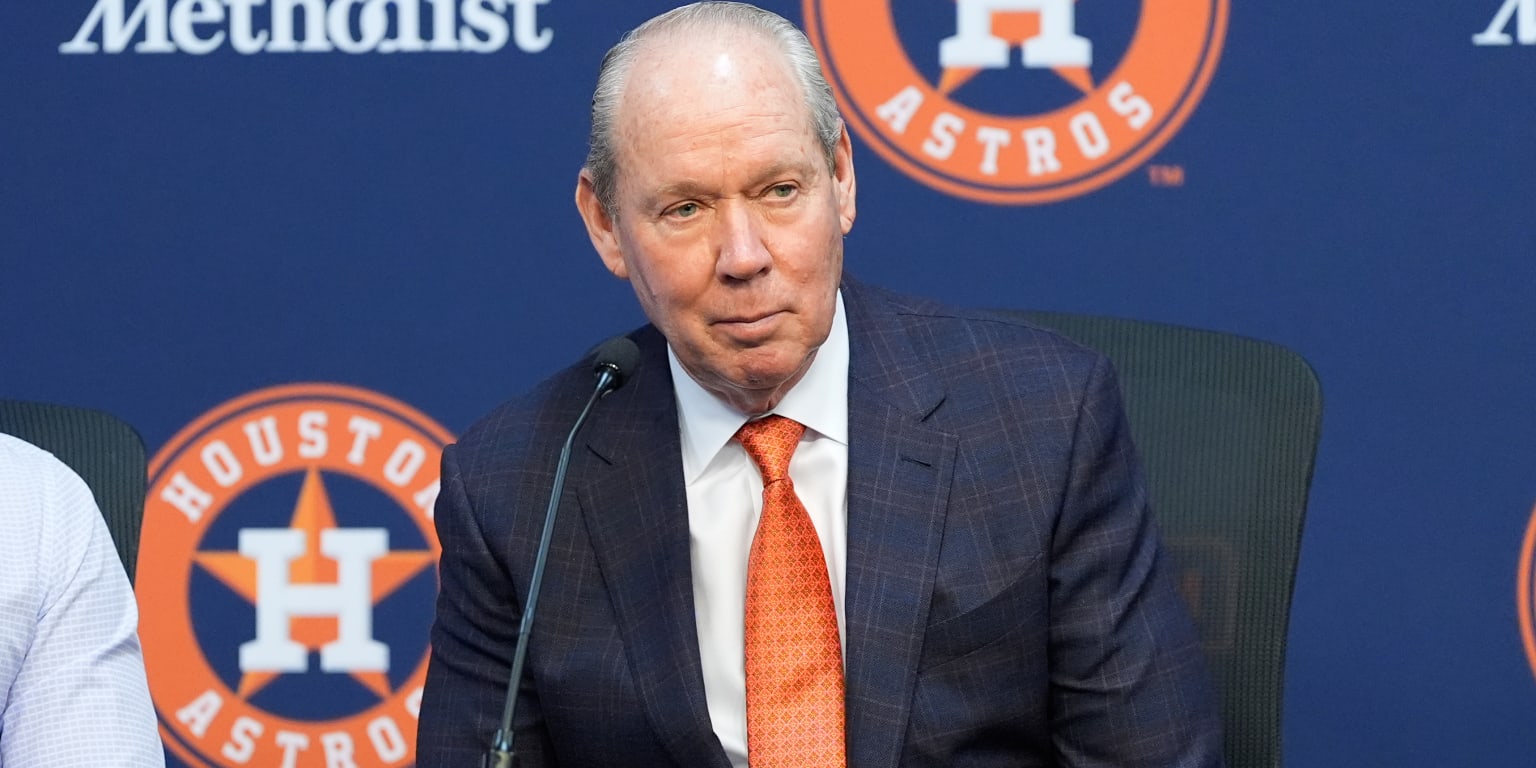
The Astros finally did what clubs do when the coffee’s gone cold and the room starts smelling like yesterday’s mistakes: they cut the guy in the front office and called it a reset. Jim Crane stood at Yankee Stadium and said the parting with Dana Brown was about needing change at the top. Plain speech. No ribbon on it. No corporate fog machine either.
And then he did the other thing owners do when the season’s still alive and the questions are hotter than the clubhouse air-conditioning: he kicked the real judgment on Joe Espada down the road. Not fired. Not endorsed with a big bear hug either. Just parked until after the season. That’s the baseball version of “we’ll talk later,” and every manager in the league knows what that usually means.
Crane chose the broom, not the bandage
Brown’s exit wasn’t some small-footnote housekeeping move. General managers don’t get shown the door because everybody’s feeling sentimental. If an owner says the club needed a change, he’s telling you the house wasn’t just messy — he thought the foundation had to be checked.
That’s the part worth chewing on. The Astros have lived a good long while on competence at the top. Jim Crane bought himself a smart baseball operation and rode it through the Houston Astros’ golden stretch, with Dana Brown) eventually becoming part of that chain of command. When the chain breaks, it usually means somebody upstairs thinks the old answers don’t fit the new problems.
And make no mistake, this is not a cute little one-off. Front office changes send a message to the players whether the owner means to or not. Some hear urgency. Some hear blame. Some hear both. That can sharpen a club. It can also make everybody play like they’re auditioning for a future that’s already under review.
Espada is still standing, but not exactly on solid ground
The Joe Espada situation is the meat on the bone here. Crane didn’t hand out a season-saving vote of confidence, and he didn’t yank the chair out from under the manager either. He said the decision would come after the season. Which, translated from owner-speak to baseball English, means the evaluator’s chair is already warm.
That matters because managers get judged in the messiest possible way. Some inherit a clean roster and get the credit for the shine. Others inherit the cracks, then get blamed when the paint peels. Joe Espada stepped into a job that’s never simple in Houston, where expectations don’t politely wait their turn. The Astros don’t sell “building.” They sell winning. Anything else feels like reduced stock.
If this club fades, Espada will be judged on the usual manager sins: bullpen buttons, lineup construction, late-game calls that look smart when they work and stupid when they don’t. If they rally, he gets a stronger case that the room still belongs to him. Baseball is a funny business that way. The same guy can look brave on Tuesday and expendable by Sunday.
In Houston, “we’ll decide after the season” is not comfort. It’s a shovel with a fresh handle.
What this says about Houston’s bigger problem
I’ve been around long enough to know this smell. It’s not panic. Not yet. It’s something more dangerous for a proud organization: the first honest admission that the old machinery isn’t humming the way it used to.
The Astros spent years making decisions like a club that had outsmarted the league. They were built on sharp eyes, hard edges, and a front office that could usually justify itself with October receipts. But dynasties don’t end with one dramatic crash. They fray. A little dust here, a little second-guessing there, and suddenly the people who were praised for certainty are being asked why the answers feel so thin.
I’ve seen this act before, plenty of times. A team wins enough to believe structure is destiny. Then structure gets blamed when the wins slow down. The owner starts talking about change. The manager becomes the human shield. Players keep doing what players do — trying to get hits, trying to survive the calendar — while the adults upstairs stare at the spreadsheet and the mirror at the same time.
That’s why this move feels bigger than a simple front-office dismissal. It’s a declaration that Houston is no longer operating on automatic pilot. That doesn’t mean they’re broken. It means the margin for error has shrunk. In baseball, that’s how the floorboards start to creak.
The Yankees stage makes the message sting harder
There’s also something fitting, almost rude, about Crane doing this at Yankee Stadium. Baseball loves its theater, even when the actors pretend it’s business as usual. One old power outfit talking about resetting while standing in another old cathedral of expectation — that’s not lost on anybody.
Yankee Stadium has seen enough organizational drama to last a few lifetimes. So when an owner steps to a microphone there and admits his own house needed a shake, it lands harder. That place doesn’t do small talk. It does pressure. It does judgment. It does the feeling that every answer has to be defended by the ninth inning.
For Houston, the timing matters too. Any public split this late in the year forces everyone to play the rest of the season with one eye on tomorrow. That’s a lousy way to try to win a title, but it’s a very baseball way to manage a transition. The game keeps going while the people in charge start rearranging the furniture.
If you want the clearest sign of where this goes, watch the tone around Espada’s club the rest of the way. Watch whether the players tighten up or loosen up. Watch whether the front office speaks like it’s still building around him or merely finishing the paperwork. That tells you more than any polished statement ever will.
The Astros made their first hard cut. The next one could be quieter, and that’s usually the one that matters most. The season’s still running. So is the clock.
More from Straight From The Bench
Comments
Join the conversation — sign in to leave a comment.
Sign in to commentRelated Stories

Carson Whisenhunt UCL Tear: Giants Lefty Faces Surgery
Carson Whisenhunt’s elbow injury has changed the Giants’ picture fast. A lefty with upside is now staring at a surgery timeline and an even longer wait.
J.P. Crawford return: Mariners get their steady hand back
J.P. Crawford is back from the injured list, and the Mariners finally regain the calmest glove on their infield. After weeks of makeshift shortstops, that matters more than it sounds.

Little League World Series: Kinley Rasmus Leads Phenix City
Phenix City survived another elimination-game test at the Little League World Series. Kinley Rasmus is turning into the face of the run.