
Carson Whisenhunt UCL Tear: Giants Lefty Faces Surgery
A promising arm just hit the sport’s cruelest medical wall.
 Zane Miller5 min read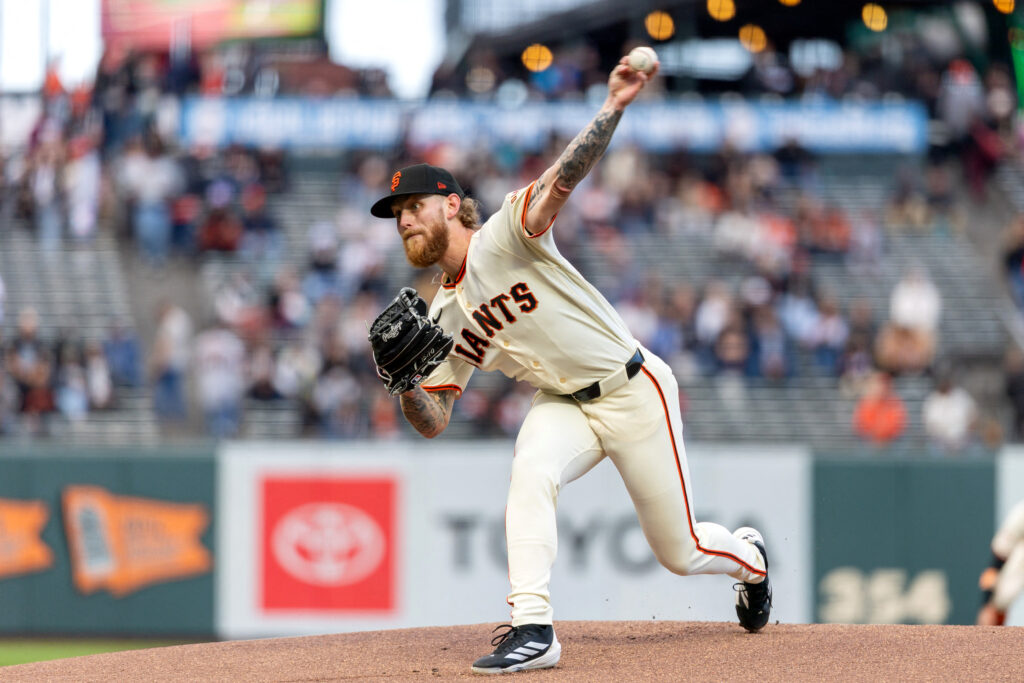
Carson Whisenhunt was already one of the more watchable names in the Giants’ pipeline. Now the conversation has flipped from upside to recovery, and it happens in one of the most brutal ways a young pitcher can get knocked off course: a torn UCL and a surgery recommendation.
That’s the kind of diagnosis that doesn’t just affect one arm. It ripples through a development plan, a roster model, and a front office’s calendar. For San Francisco, this is the sort of setback that turns a pitching depth chart into a week-by-week stress test.
A lefty with helium hits the harshest checkpoint
Whisenhunt had momentum because he was a young left-hander with a real shot to matter. Those guys are currency. Not every prospect becomes a front-line starter, but a controllable lefty with bat-missing traits still matters in a league where pitching depth disappears fast.
That’s why this stings more than a routine injury note. A UCL tear is not a short-term inconvenience. It’s a pause button on a pitcher’s rise, and in many cases it forces the entire timetable to be rewritten. There’s no clever roster workaround for that.
The Giants have leaned into pitching development for years, and that approach only works if the pipeline keeps feeding the big club. Lose a high-upside arm, and suddenly the margin gets tighter. The club can survive one injury. What it can’t do is keep stacking them without paying for it later.
Why this matters for San Francisco’s roster math
This is the part executives hate. Not because Whisenhunt is already a finished product, but because he represented optionality. A young arm gives a team choices: spot starts, depth insurance, trade flexibility, even a late-season bullpen boost if the starter path stalls.
Now those choices are gone for the foreseeable future. And when a team loses that kind of arm, it usually has to spend elsewhere — on innings, on insurance, on outside help. That’s never cheap, even if the public conversation makes it sound abstract.
It also puts more pressure on the rest of the system. The Giants can’t simply wish another left-handed starter into existence. They’ll have to lean harder on whoever is next in line, and that can expose how thin the organization really is at the top end.
If you want the broader Giants context, this comes on the heels of a season where the club already had to keep adjusting around pitching and roster churn. We’ve seen how fragile the balance is in moves like the ones in Seattle’s roster shuffle — different sport, same basic truth: depth only feels deep until injuries start claiming names.
The UCL reality is bigger than one player
There’s no sugarcoating the baseball side here. UCL injuries have become one of the sport’s most common and most draining stories. For pitchers, the elbow isn’t just a joint. It’s a career fork in the road.
Surgery usually means a long rehab track and a return that’s never fully guaranteed to look the same. That’s the hard part for clubs and players alike. Even when the arm comes back healthy, the command window, the feel, the confidence — all of it has to be rebuilt.
This is the part of pitching development nobody sells on draft night: the body can erase a plan faster than talent can save it.
And it’s why every organization now has to think in layers. Drafting and developing pitchers is no longer just about stuff and strike-throwing. It’s also about attrition. The attrition tax is real, and it keeps getting more expensive.
What the Giants are really losing here
People will focus on the injury itself, but the quieter loss is planning power. A team can map innings around a young starter when he’s healthy. It can time promotions, align rotations, and decide whether to keep a veteran or let the kids push.
Take Whisenhunt out of the equation, and the Giants lose a possible bridge piece. Maybe that bridge never becomes a highway. Still, it was there. That’s value.
As I see it, this is one of those injuries that tells you more about a franchise than the player. Good organizations absorb pain better than bad ones, sure. But the best ones also understand that every lost arm changes the shape of the roster six months from now, not just the next series.
I’ve always believed the sneakiest competitive advantage in baseball is not having to panic-buy innings in July. Teams that avoid that trap usually have a real development machine. Teams that get forced into it usually pay extra for someone else’s leftovers. That’s where the Giants are now at least a little closer to the edge.
And yes, the timing matters. San Francisco has spent enough time trying to thread together competitive pitching plans that another setback like this is not just bad luck — it’s another reminder that the depth chart is a living thing, not a spreadsheet.
What to watch next
The immediate focus is surgery, recovery, and how the Giants formally map out the next phase. The long view is bigger: how they replace innings, whether they accelerate other arms, and whether this changes how aggressively they attack pitching depth in future roster decisions.
There’s also the league-wide backdrop. Every time a young pitcher goes down with a UCL tear, front offices across baseball tighten up their models. They don’t just ask who is hurt. They ask what this means for the next wave of arms they’re counting on.
The Giants don’t have to solve this tonight. But they do have to live with it. And for a team that cares about squeezing value out of every pitching asset, that’s a tough one to swallow.
The next move isn’t glamorous. It’s medical, developmental, and strategic all at once. Those are the moves that shape a season long before the standings do.
More from Straight From The Bench
Comments
Join the conversation — sign in to leave a comment.
Sign in to commentRelated Stories
J.P. Crawford return: Mariners get their steady hand back
J.P. Crawford is back from the injured list, and the Mariners finally regain the calmest glove on their infield. After weeks of makeshift shortstops, that matters more than it sounds.
Astros GM change: Jim Crane backs reset, Espada stays put
Jim Crane says the Astros needed a shakeup after parting with Dana Brown, but Joe Espada will get his answer after the season. That’s ownership talking plain.
Fantasy Baseball SP Roundup 8/24: Zack Wheeler leads the chaos
The Monday SP slate is where the truth shows up fast. Whiffs, CSW, and pitch mix tell you who still has juice — and who’s running on fumes.