
J.P. Crawford return: Mariners get their steady hand back
Seattle’s shortstop returns before the season can drift any farther out of shape.
 Beatrice Kensington6 min read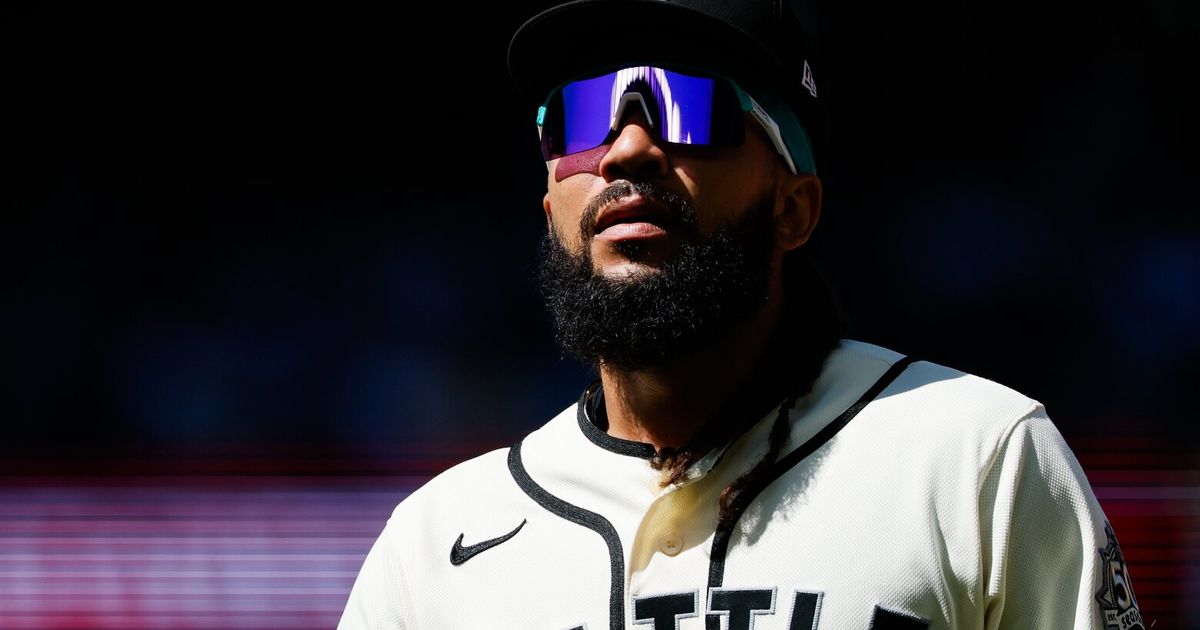
J.P. Crawford walked back into the Mariners’ season the way a good harbor light cuts through a black stretch of water: quietly, decisively, and with no need to announce itself. After nearly a month shelved with left wrist inflammation, Seattle activated its veteran shortstop Tuesday afternoon, restoring a player whose value has never been loud, only constant. In a clubhouse that has spent the past two weeks improvising at a premium defensive position, that kind of return can feel less like a transaction than a small act of climate change.
The Mariners have been living on the edge of their depth chart. Down to third- and fourth-string shortstops, they were asking replacement-level hands to do a job that has to be tidy on the grass, quick in the dirt, and mentally unflustered in the middle of a pennant chase. Those are not minor asks. Shortstop is one of the last places on the field where panic becomes contagious. Crawford gives Seattle a steady pulse again.
Why Crawford matters more than his batting line
There are players whose worth is captured neatly by a slash line, and then there are players like Crawford, whose real biography is written in run prevention, positioning, and the small mercies of a routine play handled cleanly. He has been the most experienced shortstop in club history, and that is not trivia. It is the accumulation of innings, of footwork refined by necessity, of a defender who knows where the play ought to go before the ball does.
In recent years, the Mariners have built their identity around pitching, run prevention, and an unforgiving insistence on the margins. Crawford fits that temperament. He stabilizes the infield, helps pitchers trust the shape behind them, and turns the middle of the diamond back into a place of order. If you want to understand why his absence mattered, look at how quickly a team’s fielding architecture can start to wobble when the most experienced organizer is missing.
For a broader sense of how Seattle has been trying to hold that line, our Mariners reset under Jim Crane coverage is worth a look for the way front-office decisions and roster patience shape the long season. Different club, different ledger, same hard truth: thin depth is rarely revealed in August by choice. It is exposed by necessity.
The cost of asking too much from emergency shortstops
Every club tells itself it has a plan for the inevitable injury. Most are lying.
When a team goes fishing down to its third and fourth options at shortstop, the consequences are not abstract. A throw is a half-step late. A relay gets rushed. A double-play feed leaves a runner safe who should have been heading back to the dugout. The errors that matter most are often the ones that do not show up in the box score at all — the extra pitch, the forced stress on a pitcher, the inning extended just long enough to open the door.
That is why Crawford’s return carries such outsized weight. The Mariners do not merely get a healthier player. They get the luxury of defining the position again instead of rationing it. They get to stop patching and start playing.
In a season built on razor-thin margins, a real shortstop is not a luxury. He is a structural beam.
Seattle’s infield has been asked to absorb enough turbulence already. The club has had to balance the familiar problem that haunts almost every contender with postseason dreams: stay patient, stay upright, survive the bad stretches without letting them calcify into something worse. Crawford’s wrist issue did not just rob the Mariners of an at-bat or two. It pulled a stabilizing presence out of the lineup and forced the rest of the roster into roles they were never meant to hold for long.
What this says about Seattle’s season
There is a broader lesson tucked inside this activation, and it has little to do with medical timetables. The Mariners remain a team whose best version is built on structure. Their pitchers need clean support. Their defense needs shape. Their offense, which can go streaky in ways that make the fan base pace the living room, benefits from every extra out preserved and every rally extended by smart baserunning and competent contact.
That is why Crawford’s return lands as a season-management story, not simply an injury note. Seattle has spent years trying to prove it can survive the stretches where the bat goes cold by being better at everything else. That philosophy only works if the “everything else” stays intact. When the shortstop spot starts to creak, the whole argument weakens.
I’ve always believed teams reveal their true ambitions in the way they handle the middle infield. Not in the headlines, not in the summer slogans, but in the patience shown for defense, communication, and the unglamorous repetition that keeps a roster from fraying. The Mariners, more than most clubs, have made a religion out of run prevention. So when Crawford went down, the absence felt bigger than his individual profile. It was a crack in the foundation.
And there is a second layer here, one that matters in August and beyond: veteran presence ages differently on a team fighting for traction. A younger club can live with noise and miscommunication for a while. A contender cannot. Crawford is not merely a starter returning; he is a standard returning. That distinction matters in a clubhouse where the margins are thin enough to cut paper.
For those tracking how Seattle has handled its depth before, the roster churn in the Seahawks’ recent personnel moves offers a reminder of how quickly organizational plans can be tested. Different sport, same institutional anxiety: depth is theory until it is the thing standing between you and a problem.
The next week tells the real story
The most important thing now is not whether Crawford looks sharp on day one back. It is whether the Mariners can breathe a little easier because of his presence, and whether that shows up in the places that decide September: cleaner infield defense, less strain on the pitching staff, fewer innings that unravel from the middle out.
Seattle does not need Crawford to be heroic. It needs him to be himself. That may sound modest, but in a season like this, modesty can be a weapon. A routine ground ball turned into an out. A stable relay. A dugout that knows where its shortstop belongs.
That is how teams inch forward in the summer. Not with thunder. With footing.
Crawford is back. Now the Mariners get to find out how much steadier they can be when the middle of the field belongs to the right man again.
More from Straight From The Bench
Comments
Join the conversation — sign in to leave a comment.
Sign in to commentRelated Stories

Carson Whisenhunt UCL Tear: Giants Lefty Faces Surgery
Carson Whisenhunt’s elbow injury has changed the Giants’ picture fast. A lefty with upside is now staring at a surgery timeline and an even longer wait.
Astros GM change: Jim Crane backs reset, Espada stays put
Jim Crane says the Astros needed a shakeup after parting with Dana Brown, but Joe Espada will get his answer after the season. That’s ownership talking plain.

Fantasy Baseball SP Roundup 8/24: Zack Wheeler leads the chaos
The Monday SP slate is where the truth shows up fast. Whiffs, CSW, and pitch mix tell you who still has juice — and who’s running on fumes.