
College Football Rankings 2026: All 138 FBS Teams Ranked
Parity is the point now. The portal made sure of that.
 Zane Miller5 min read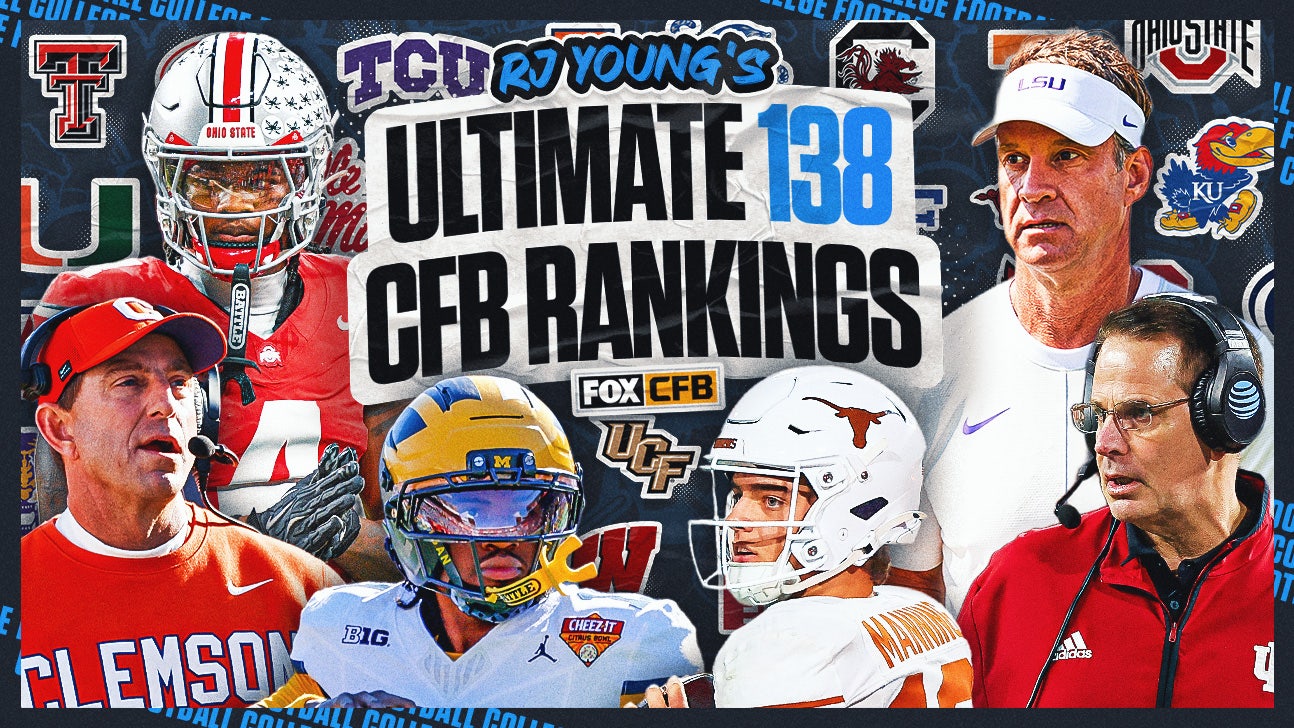
College football just keeps shrinking the space between the haves and the hungry. Ahead of the 2026 kickoff, every one of the 138 FBS teams got stacked from top to bottom, and the subtext is the part worth paying attention to: if you don’t like your number, go win. That’s not a slogan anymore. That’s the operating system.
The portal era and NIL-era roster churn have turned September into a live audition. Depth charts are fluid, linebacker rooms can be rebuilt in a week, and one bad spring can echo all the way into the fall. Ranking all 138 teams now feels less like a neat preseason exercise and more like a stress test for how stable a program really is.
The new math of college football has no patience
The old model rewarded continuity. The 2026 model rewards adaptation. Programs that recruit well still matter, obviously, but the real separator is how quickly a staff can identify holes, plug them with portal adds, and keep the locker room from fraying when the shiny transfer isn’t immediately a savior.
That’s why these rankings hit harder than a normal preseason list. They’re not just measuring talent. They’re measuring roster management, quarterback certainty, coaching coherence, and whether a program can survive turbulence without falling apart. That’s the hidden currency now.
If you want the broader template for where the sport is headed, look at the way front offices and player personnel departments are beginning to mirror each other across college football. Recruiting is still the foundation, but roster construction has become a year-round rebuild. We’ve talked about this in the context of the league-wide pecking order in our NFL Future Power Rankings; the college version is even wilder because there’s less contractual control and far more volatility.
In 2026, a ranking is less a judgment and more a warning label.
Why the middle class got more dangerous
The biggest shift in a 138-team ranking is not the top. It’s the middle. That’s where the sport has become a knife fight.
The gap between, say, a traditional top-15 team and the pack behind it is still real, but the old safety nets are gone. A veteran quarterback can drag a roster up the board. A defensive coordinator who keeps players in place can make a team look stable all season. But the middle tier? That’s where portal attrition and one injury can send a season sideways.
That’s why the 2026 board should be read with a little more skepticism than the average preseason power list. Some teams will look overranked in August and vindicated by November. Others will look sleek on paper and spend the fall proving that continuity was a lie. The teams in that wide middle band are the ones most likely to swing the rankings with a two-game burst or a three-week collapse.
The thing fans sometimes miss is that these rankings aren’t just about forecasting wins. They’re a snapshot of confidence. Which programs are believed to have a quarterback answer? Which staffs are stable enough to absorb roster turnover? Which schools have enough money, structure, and developmental credibility to keep players from bailing the second they’re unhappy? That’s the real filter.
What it means for bluebloods, risers, and strugglers
There’s a different kind of pressure on the bluebloods now. The name still opens doors, but it doesn’t auto-fix a depth chart. It doesn’t guarantee defensive cohesion. It doesn’t even guarantee you’ll stay above the rising pack if your quarterback room is shaky or your portal class misses.
For the risers, this is where life gets fun and stressful at the same time. Once you start climbing a national ranking, everybody notices. Your games get circled. Your margin for error gets thinner. Suddenly the team that was “ahead of schedule” becomes the team everyone is measuring against. That’s how momentum gets weaponized.
For the strugglers, the message is brutal but clear: win. There’s no mystery formula here. Not with this much roster movement. Not with this much parity. A team can talk itself into being “close” all offseason, but college football doesn’t hand out patience anymore.
That’s why I keep coming back to quarterback play and coaching continuity. Those two things travel. They keep programs from getting swallowed by the churn. You can have a wave of transfers and still survive if the scheme is clean and the signal-caller is steady. If not, the rankings tend to expose you fast.
This is what the playoff race looks like now
The rankings matter because the calendar matters. Everyone’s chasing a path to the expanded postseason, and that changes how these preseason boards get interpreted. Being top-heavy at the start is nice. Being well-built in October is better. The teams that can absorb one loss, maybe two, without panicking are the ones built for the new landscape.
That also means the gap between preseason reputation and actual playoff viability may keep widening. Some teams will enter the year with prestige and leave with excuses. Others will start lower, stay healthy, hit on quarterback play, and turn the whole board upside down by Thanksgiving.
I’ll say this plainly: this sport now rewards the teams that can reassemble themselves on the fly. That’s not the same as saying talent doesn’t matter. It absolutely does. But talent without retention is just a highlight reel waiting to be undercut by bad timing.
The smartest programs have figured that out. They’re not just recruiting stars. They’re building systems that can survive movement. That’s the difference between a roster and a contender.
The only ranking that really counts is the one you earn
Preseason lists have always been part theater, part forecasting. The 2026 version feels more like a spreadsheet with shoulder pads. There’s still room for surprise, and there should be. That’s what makes this sport breathe.
But the real takeaway is simple. The teams ranked high now have to defend it. The teams buried down the board have to fight their way out. Nobody’s getting rescued by reputation anymore.
Come October, the rankings will look smarter or sillier depending on who handled the churn. Until then, the message is loud and clean: if you don’t like where you’re ranked, go win.
Then keep winning. That’s how you move in this version of college football.
More from Straight From The Bench
Comments
Join the conversation — sign in to leave a comment.
Sign in to commentRelated Stories

Jamal Adams Injury Update: Knee Ends Veteran Defender’s 2026 Season
Jamal Adams is done for the year after one preseason game, another brutal turn in a career shaped by force and fragility. The knee injury lands like a reminder that football never lets its bruised vet
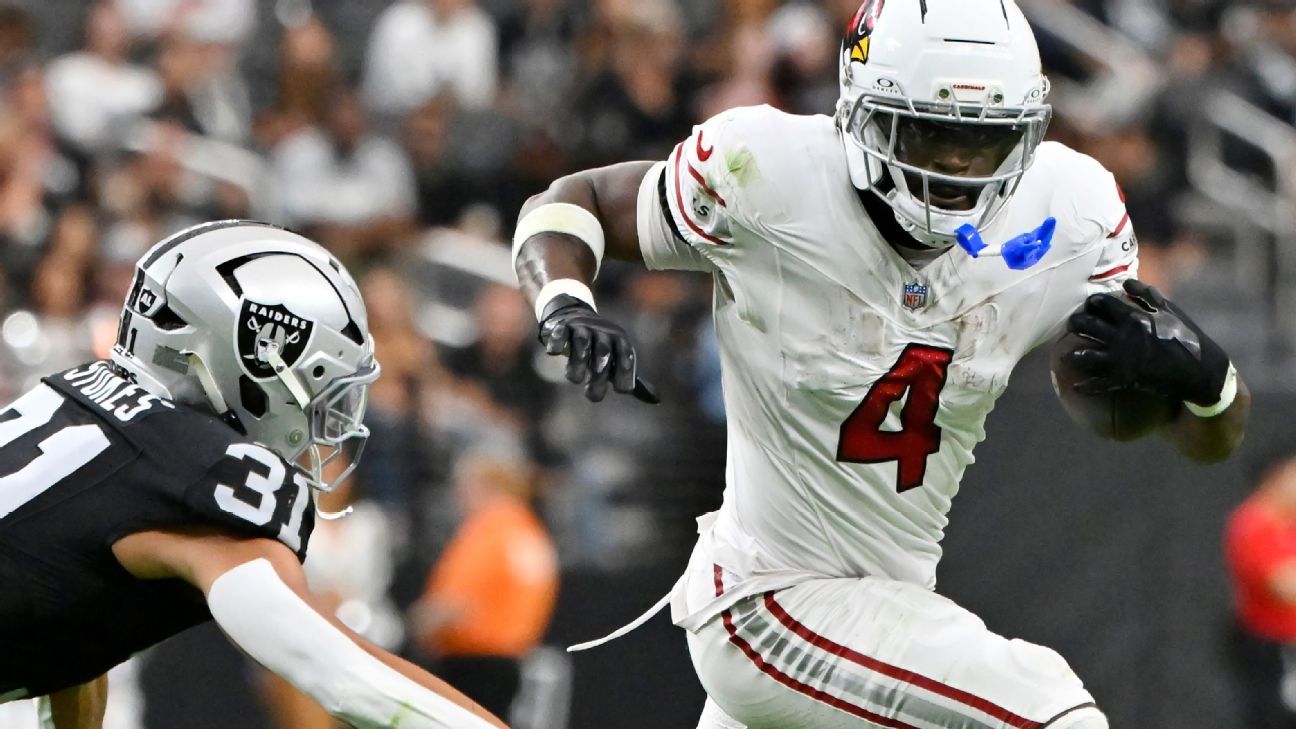
Jeremiyah Love Injury Update: Cardinals Rookie Likely Out
Jeremiyah Love’s high ankle sprain may cost him the rest of preseason, a cruel pause for a rookie trying to make a first impression. Arizona must now decide how much August matters.
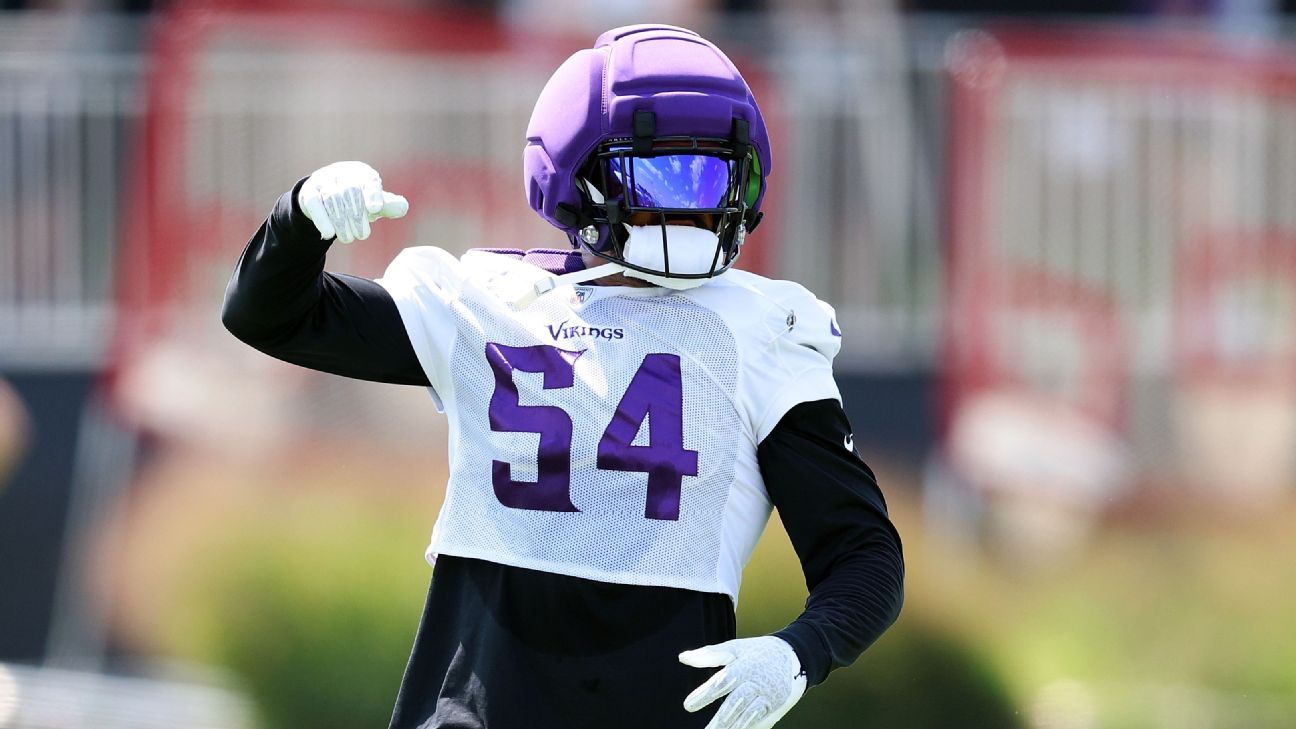
Jamal Adams Injury Update: Vikings Lose Veteran Defender for 2026
Jamal Adams’ knee injury is a cruel preseason turn for Minnesota. The Vikings now face a familiar NFL test: replacing edge, urgency and veteran tone all at once.