
College Sports Act: Senate moves to set federal rules
A familiar fight over amateurism, now dressed in federal language.
 Beatrice Kensington5 min read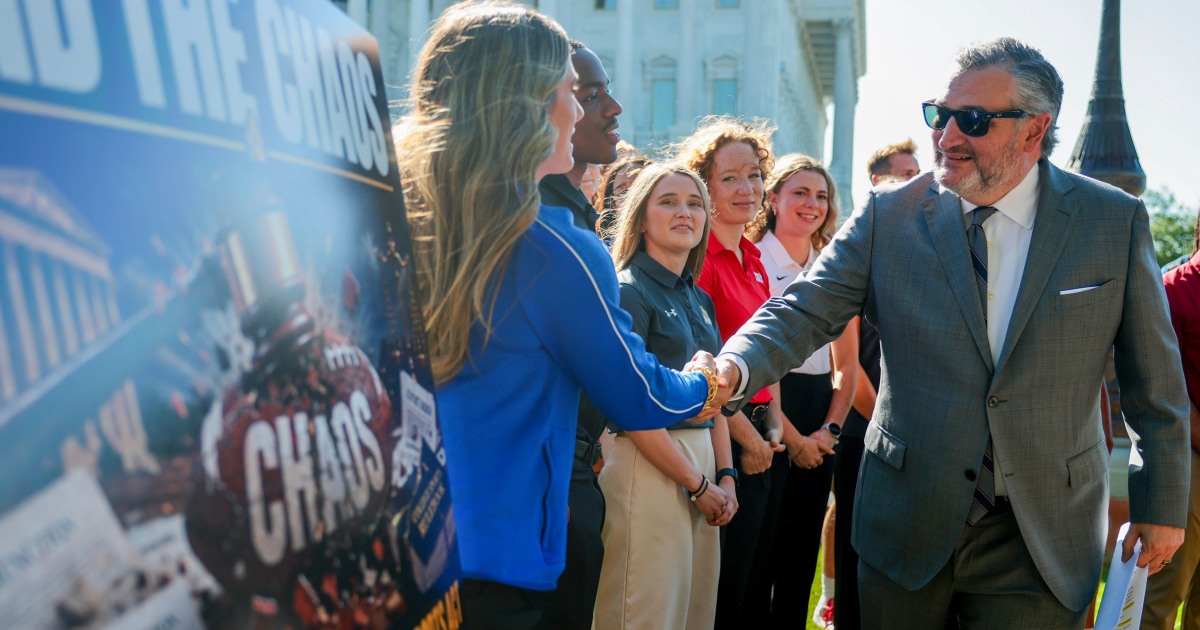
The Senate’s move to advance the Protect College Sports Act is less a tidy legislative milestone than a flare shot into the dark over college athletics, where the old order has been splintering for years and the pieces keep landing in different hands. The bill, backed by the NCAA and carried forward with bipartisan support, is an attempt to draw a national line through a landscape now shaped by eligibility disputes, compensation fights, transfer freedom and the stubborn fact that college sports has outgrown the hand-me-down rules it used to live by.
This is not simply about paperwork in Washington. It is about who gets to write the terms of a multibillion-dollar enterprise that still wraps itself in the language of school spirit and tradition. The NCAA wants a federal standard because state-by-state improvisation has left the governing body looking less like an authority than a referee caught in three different time zones. Schools want clarity, coaches want guardrails, and athletes — who have spent the last few years forcing the culture to acknowledge their labor — want protection that does not arrive dressed as restraint.
College sports has reached the point where silence is policy, and policy by silence is no policy at all.
A Congress finally entering the locker room
For years, the central argument in college sports has been the same one in different suits: who counts as a worker, who counts as a student, and who gets to profit from whose performance. The Senate vote to move the bill forward suggests lawmakers can no longer pretend this is a niche campus issue. It is a national one, and a messy one at that.
The NCAA’s support tells you plenty. The association has spent years trying to preserve some version of competitive balance while the legal and economic ground beneath it has buckled. Name, image and likeness rules changed the market. Transfer rules changed roster stability. Court rulings changed the assumption that amateurism could be enforced by sheer force of habit. The old model did not merely crack; it started to shed whole walls.
A federal framework appeals to administrators because it promises uniformity. One national standard is easier to defend than fifty experiments and a stack of lawsuits. But uniformity has its own price. Once Congress steps in, the arguments are no longer confined to campuses and courtrooms. They become political, which means they become slower, louder and more vulnerable to being shaped by interests far from the playing field.
What athletes stand to gain — and lose
The most important question is not whether college sports needs rules. It plainly does. The real question is whose interests those rules will protect. Athletes have already forced a long-overdue reckoning over compensation, mobility and the value of their time. Any federal law that trims those gains under the banner of stability would be a hard sell to the very people whose talent keeps Saturdays, bowl season and March alive.
At the same time, a chaotic system can punish players too. Families trying to navigate eligibility standards, transfer windows and compensation opportunities are doing so inside a maze that shifts every few months. That kind of uncertainty does not equal freedom; it often just means the strongest institutions hire the best lawyers and everyone else learns to live with the leftovers.
The deeper tension here is that college sports has become a professional product without fully admitting it. Stadiums are full. Television money is real. Coaching salaries have swollen like weather fronts before a storm. Yet the governance model still reaches for nostalgia whenever possible, as if invoking campus tradition can quiet a labor market. It cannot.
Why the NCAA wants Washington involved
The NCAA’s push for federal standards is an admission, in plain clothes, that the current patchwork cannot hold. That does not make the bill automatically wise. It makes it urgent.
I have covered enough sports disputes to know that institutions rarely ask for outside help until the internal contradictions become unbearable. This feels like that moment. The NCAA is not suddenly discovering principle; it is discovering vulnerability. Without federal direction, it risks watching the sport’s biggest decisions continue to migrate to courts, statehouses and the richest conference offices. With federal direction, it may regain a measure of order, but likely at the cost of ceding more moral authority than it ever meant to surrender.
That is the bargain Washington loves to offer: consistency in exchange for control. And college sports, which has spent decades pretending that its power rests on innocence rather than money, may be forced to sign its name to it. The question is whether the legislation would actually modernize the system or merely freeze its current inequalities in a more elegant font.
There is precedent for this kind of federal intervention in sports, of course, even if college athletics likes to imagine itself as sui generis. The antitrust fight around professional leagues, the labor battles that built modern player rights, the repeated tug-of-war over who benefits from broadcast riches — all of it says the same thing. Once the money is too large and the rules too inconsistent, the courthouse and the Capitol inevitably meet at midfield. The only difference now is that the athletes in question are still students in the eyes of the law, and valuable assets in the eyes of everyone else.
The road ahead will be fought in the margins
This vote does not settle the argument. It opens it wider. The bill still has to survive the usual gauntlet of committee politics, institutional lobbying and the small but consequential disputes that determine whether a sweeping promise becomes a workable law or a well-dressed gesture.
Watch the transfer rule language. Watch eligibility. Watch what protections survive the bargaining between lawmakers who want order and stakeholders who want leverage. And watch the athletes themselves, because they are no longer passive subjects in this debate. They are the pressure.
The sport has spent years rearranging itself in real time. Washington is now trying to catch up. That lag may define the next era of college athletics more than any single vote ever will.
More from Straight From The Bench
Comments
Join the conversation — sign in to leave a comment.
Sign in to commentRelated Stories
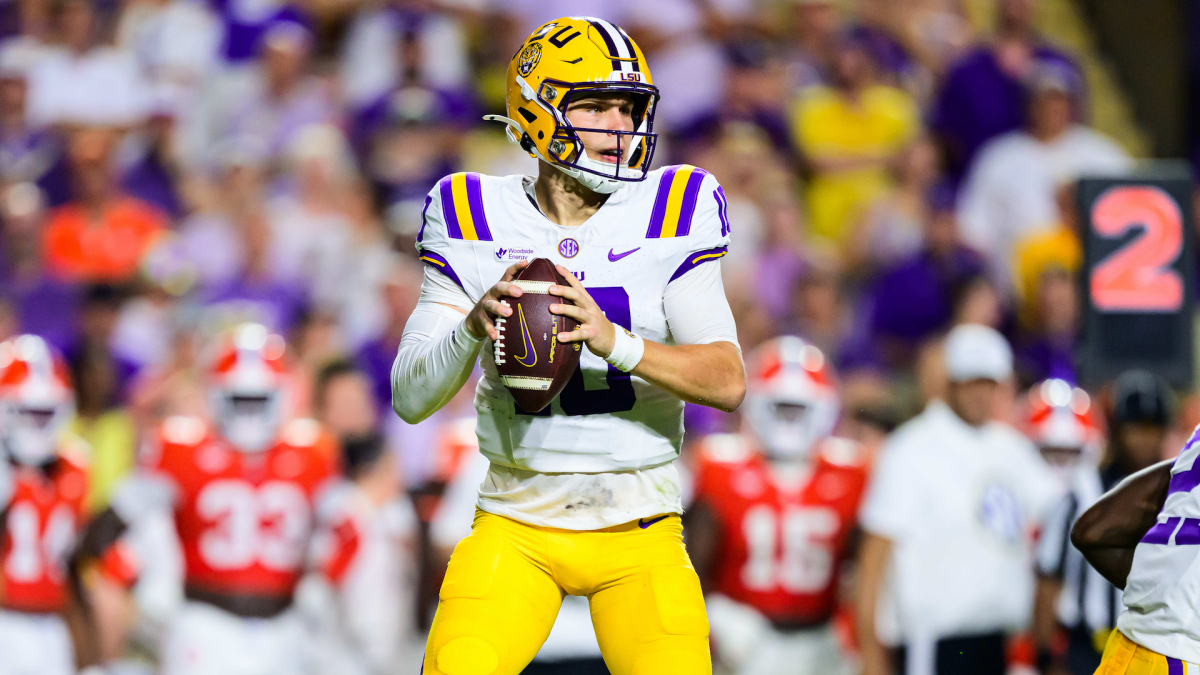
LSU Sam Leavitt Injury Update: Doubtful vs Ole Miss
LSU’s first injury report dropped a real wrinkle: Sam Leavitt is listed as doubtful with an upper body injury. That changes the math for a huge SEC stage game.
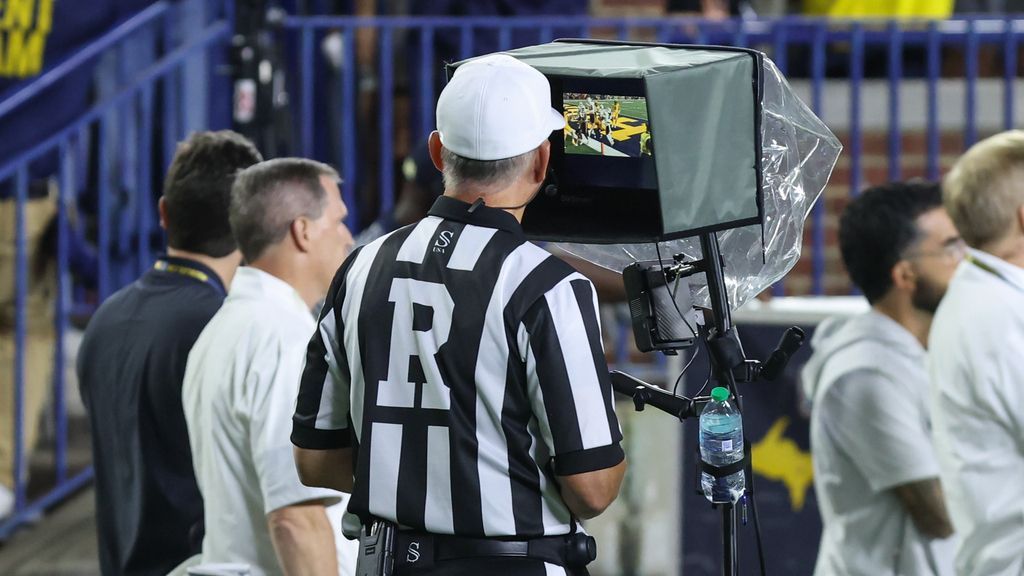
Western Michigan vs Michigan: FBS Oversight Committee Can't Overturn Loss
The NCAA says replay protocol broke down at the end of Western Michigan’s loss to Michigan, but the final whistle still cannot be uncoupled from the ledger.
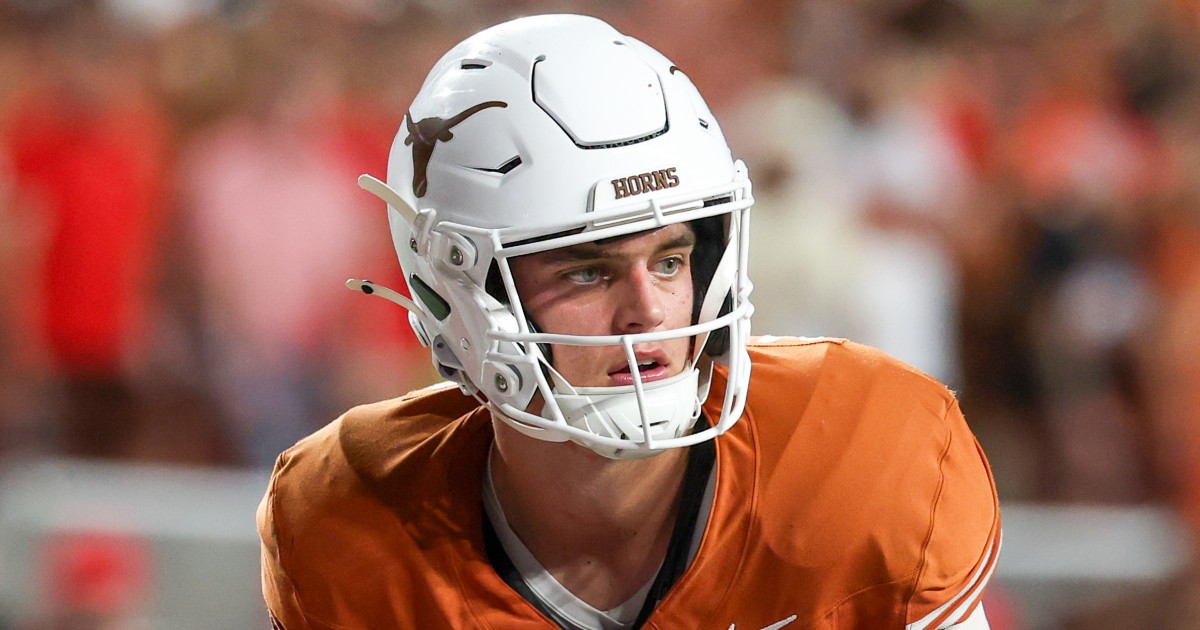
Arch Manning apology: Texas QB addresses AI video backlash
Arch Manning moved quickly to apologize after joking about an AI video involving Steve Sarkisian and Holly Rowe. At Texas, the football never stops—but neither does the fallout.