
College Sports Overhaul: Civil Rights Fight Splits NIL Debate
The NIL war just turned into a full-on political knife fight.
 Zane Miller5 min read
College sports has officially wandered out of the booster club and into the national political brawl. A new push for the Protect College Sports Act is drawing bipartisan oxygen, but the loudest noise around it isn’t about scheduling, TV windows, or roster limits. It’s about race, fairness, and whether NIL-era reform would hit Black athletes hardest.
That’s a loaded lane, and everybody in the building knows it. Once lawmakers start using civil-rights language to defend or attack college sports rules, the debate stops being about cleaner governance and starts becoming a referendum on who gets to profit, who gets protected, and who gets boxed out.
The NIL fight just got bigger than NIL
For years, the college sports conversation lived in two buckets: competitive balance and labor rights. Now the Protect College Sports Act is dragging in a third rail. Critics are warning that new restrictions on NIL could hit Black student-athletes hardest, especially in a system where high-major football and basketball rosters are already heavily dependent on Black talent.
That argument has political teeth because it connects directly to the NCAA economy. The engine of this business is still powered by the same athletes who sell tickets, television inventory, and donor enthusiasm. If lawmakers clamp down on player compensation or limit the current market, the question becomes whether they are stabilizing college sports or freezing the existing power structure in place.
The other side isn’t exactly blind to that. The reform crowd is selling oversight, compliance, and guardrails. They see chaos in the current NIL model: booster collectives, uneven enforcement, portal churn, and schools with deeper bags turning recruiting into a bidding war. That pitch has real support because a lot of athletic directors, administrators, and coaches are exhausted by the current free-for-all.
But once you build a bill around “restoring order,” you’re also choosing winners and losers. That’s the part that keeps getting people in trouble.
Why the civil-rights frame is landing hard
This debate is not happening in a vacuum. College sports has a long history of asking Black athletes to carry the product while the institutions around them collect the benefits. The racial optics are impossible to ignore when you’re talking about football and men’s basketball, where Black players make up a huge share of the stars, the TV draws, and the revenue engines.
That’s why the civil-rights framing has traction. It isn’t just symbolic. It’s strategic. If you can convince the public that new NIL restrictions would reduce earning power for the athletes who have long been undercompensated, you shift the burden onto the bill’s supporters to explain why “reform” should mean less freedom for the people generating the value.
And make no mistake: lawmakers understand this is a branding war as much as a policy fight. The college sports ecosystem is already fragile. Trust between athletes and administrators is thin, and every new proposal gets filtered through the same skepticism: who benefits, who controls the money, and who gets to decide what fairness means.
The second you start legislating college sports like a morality play, somebody is going to get called the villain.
The executives’ real fear: losing control, not losing principles
Here’s the part people around the sport keep circling back to. The biggest stakeholders are not just worried about NIL. They’re worried about leverage. If athletes keep gaining market power, schools lose some of the control they spent decades protecting.
That matters in every room. Conference commissioners want predictable governance. Power-conference athletic departments want roster stability. Coaches want to stop recruiting the same player twice a year. And administrators want rules that can survive legal scrutiny instead of getting shredded in court a year later.
But the current moment has exposed the gap between what schools say they want and what the market is forcing them to accept. NIL didn’t create the tension. It just removed the curtain.
If you want a useful historical parallel, look at any labor fight where institutions called reform “necessary” and workers heard “containment.” College athletics has spent years trying to preserve amateur language while functioning like a professional entertainment business. That contradiction is now colliding with real political power.
I’ve seen this movie enough times to know the ending usually depends on who can define abuse first. Right now, the schools are saying the sport is being broken by unchecked spending and a race to the bottom. Athletes and advocates are saying the system is still built to extract value and limit freedom. Both things can be true. That’s what makes this so combustible. The minute lawmakers pick a side too aggressively, they inherit the consequences of a business that was never designed to be moral in the first place.
What this means for the next version of college sports
The immediate impact here is less about one bill and more about the direction of the sport. If the Protect College Sports Act keeps momentum, expect even louder pushback from athlete advocates, civil-rights groups, and anyone who thinks the market should keep opening instead of narrowing.
If it stalls, that doesn’t mean the NIL chaos magically disappears. It just means schools, conferences, and courts keep improvising. And improvisation is expensive. It also tends to favor the programs with the deepest pockets and the best legal teams, which is why a lot of folks around the sport keep saying the current system isn’t really an open market. It’s just a messy one.
There’s also a recruiting angle here that can’t be ignored. If lawmakers create new restrictions, the schools that rely most on elite football and basketball talent will have to sell a product that looks less player-friendly than the one it replaced. That’s a tough pitch in a transfer-portal era where athletes have more options and less patience.
The bigger picture is simple: college sports is being forced to decide whether it wants regulation that feels fair or regulation that feels comfortable to the institutions in charge. Those are not the same thing.
The next phase is going to be all about framing. If the bill gets sold as rescue, it has a shot. If it gets sold as a rollback dressed up as order, the backlash is coming fast. And in this market, nobody stays comfortable for long.
More from Straight From The Bench
Comments
Join the conversation — sign in to leave a comment.
Sign in to commentRelated Stories
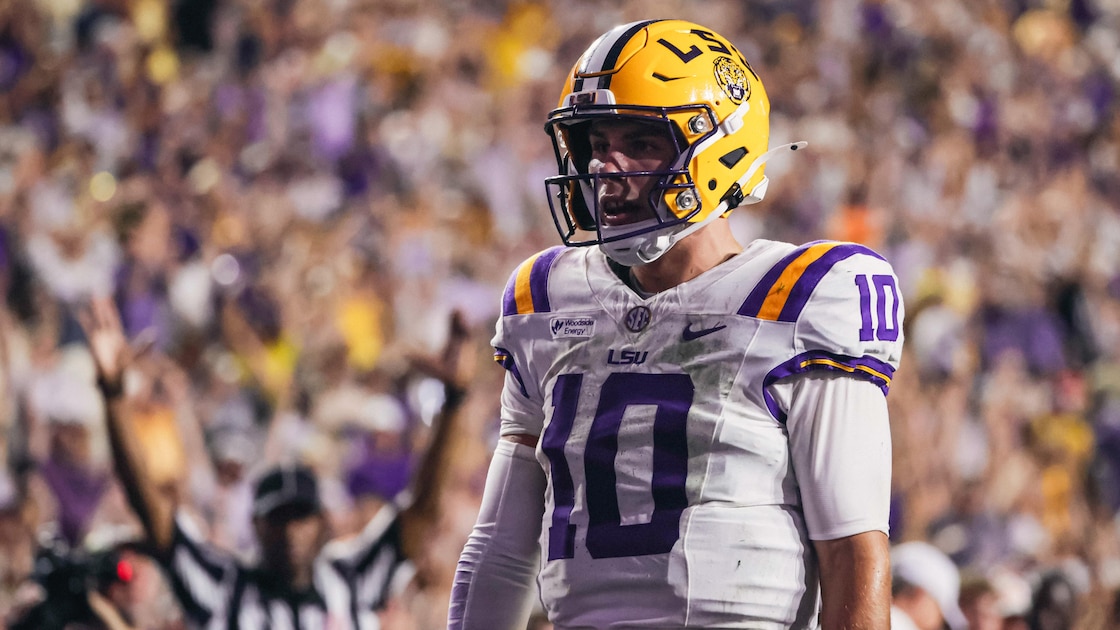
Ole Miss vs LSU: Sam Leavitt injury report gamesmanship heats up
Ole Miss is preparing for Sam Leavitt anyway, which says plenty about how much trust exists in LSU's injury report right now. Saturday in Oxford just got a lot more tactical.
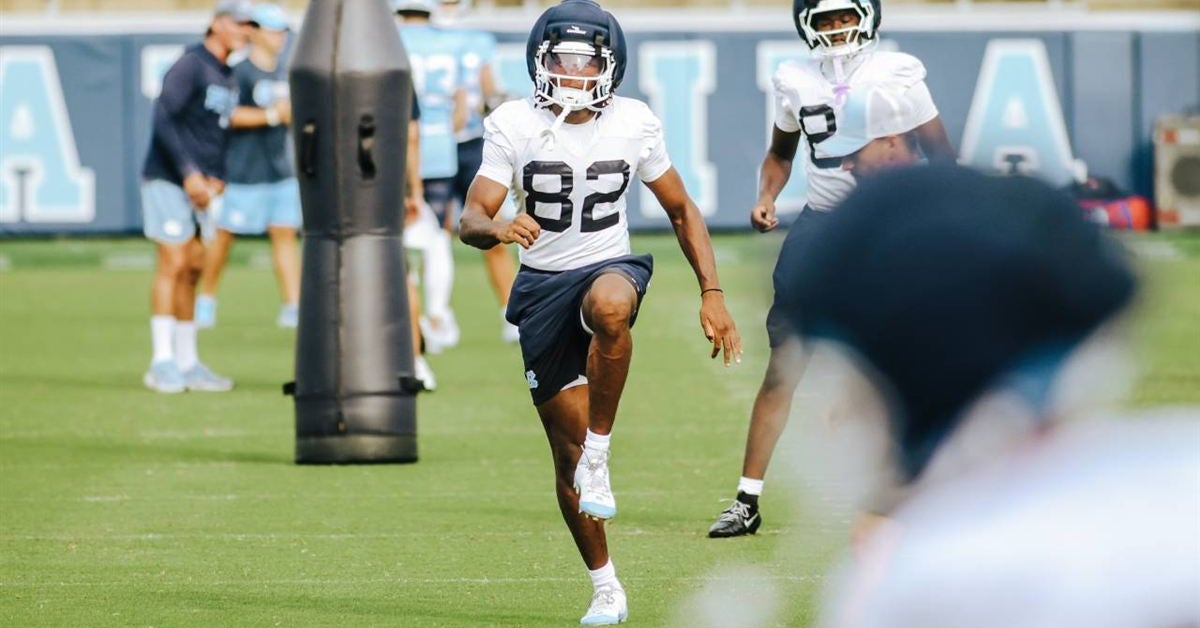
UNC Receiver Keeyun Chapman Suspended After Arrest
North Carolina moved fast and hard on Keeyun Chapman after his arrest, and that tells you this is bigger than one bad night. The Tar Heels have a discipline story now.

Auburn vs. Florida Preview: SEC Oppener, Fresh Start, Old Heat
Auburn and Florida meet in a game that feels bigger than September. Both programs need proof their new direction is real, not just talk.