
Ole Miss vs LSU: Sam Leavitt injury report gamesmanship heats up
Oxford already smells a bluff — and Ole Miss is acting like it.
 Zane Miller5 min read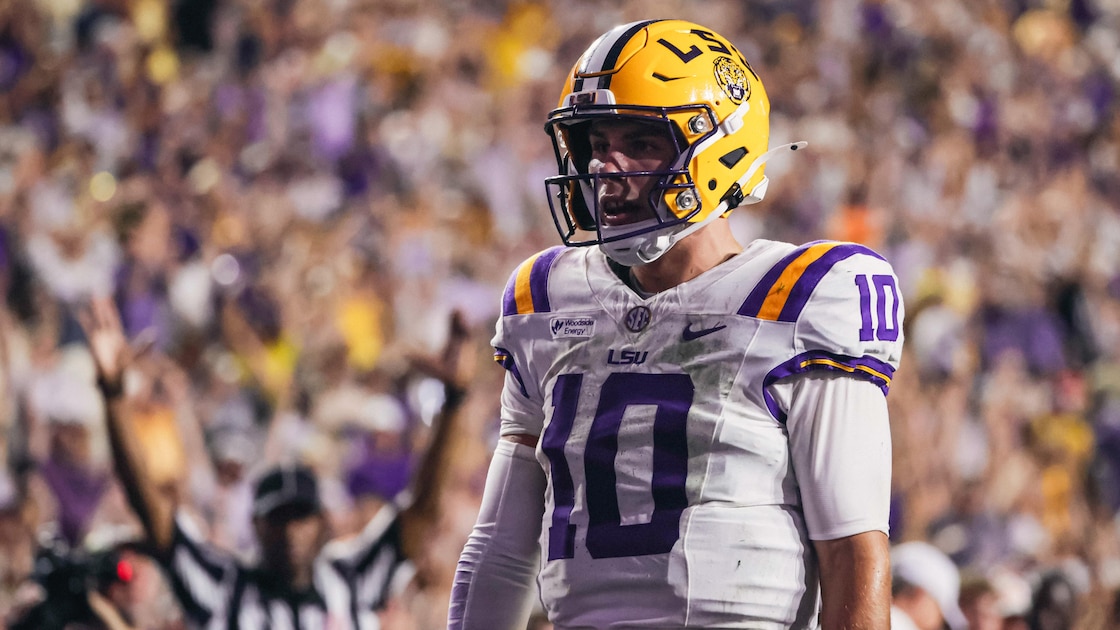
Ole Miss is not buying the doubtful tag
Ole Miss is planning like LSU quarterback Sam Leavitt is going to play Saturday in Oxford. That’s the real headline here. Not the designation. Not the paper trail. The reality that a staff in a weekly chess match is treating the early injury report like a starting point, not the final word.
And that tells you everything about where we are with modern college football injury reporting. “Doubtful” doesn’t always mean doubtful. Sometimes it means keep your eyes open and your assumptions closed.
The Rebels would be foolish to do anything else. If Leavitt is available, Ole Miss has to prepare for the whole menu — tempo, structure, quarterback run threat, the full playbook. If he’s not, fine. But defensive plans built around hope are how you get punched in the mouth early and spend the rest of the afternoon chasing leverage.
LSU’s report, and the trust problem around it
This is where the gamesmanship gets sticky. LSU listed Leavitt as doubtful on its early injury report, which on the surface should narrow the focus. In practice, it creates noise. Opponents don’t have to believe the label. They just have to decide whether the label is being used honestly or strategically.
That skepticism is not random. Teams across the sport have learned to live in the gray area between official status and actual availability. You see it in the way staffs protect information, in the way coaches speak in riddles, and in the way every little pregame detail gets weighed like it’s evidence in a courtroom.
Ole Miss planning for Leavitt anyway is the smart move. It also hints that the Rebels think LSU might be trying to force a reaction. If so, that’s not a scandal. It’s football. But it is a reminder that injury reports in college ball carry as much mind-game value as medical value.
What this means for the matchup in Oxford
If Leavitt plays, LSU gets a different ceiling and a different shape. The Tigers can stress the edges, keep the ball in play, and make Ole Miss defend more variables snap to snap. If he doesn’t, LSU becomes more predictable, more capped, and a little easier to hunt with pressure.
That’s why Ole Miss is refusing to overreact to the doubtful listing. The Rebels are not just protecting against one quarterback. They’re protecting against the possibility that LSU is using uncertainty as part of the pregame script.
The smartest teams don’t prepare for the report. They prepare for the best version of the opponent.
That line matters here because the margin in a game like this is usually tiny. One drive. One third down. One busted coverage because a defense assumed the wrong quarterback profile. That’s how October-type games get flipped in September-type weather.
The bigger signal: everybody is playing the same old mind game
I’ve covered enough of these situations to know the same truth keeps surfacing: staffs hate being honest when honesty gives the other side an edge. So the injury report becomes a weapon, and the opponent has to decide whether to trust the wording or the tape, the wording or the week of practice, the wording or the coach-speak swirling around the building.
My take? Ole Miss is reading this correctly. When a team truly expects a quarterback to sit, the preparation gets narrower. You hear it in the tone. You see it in the scout team reps. You feel it in the defensive plan. The fact that the Rebels are acting like Leavitt will be out there means their internal read is probably closer to “don’t get cute” than “he’s definitely limited.”
And that’s the broader college football reality now. Availability is strategy. Status is information warfare. The teams that adapt fastest usually spend Sunday morning celebrating, not explaining why they were surprised by a guy who was “doubtful” all week.
It also mirrors the way other programs have been forced to operate this season. Think about how Dodgers Blake Snell injury update created the same kind of pregame uncertainty in baseball, or how the Joey Porter Jr. injury update changes the way an opponent attacks a defense before kickoff. Different sports, same playbook: keep the other side guessing, and make them spend the week chasing shadows.
In a weird way, that’s the power of a simple designation. It’s not just medical. It’s tactical. It shapes how coordinators call the game, how veterans talk to younger players, and how a stadium feels before the first snap.
What to watch once kickoff gets here
The first thing to watch is whether LSU comes out with the full quarterback package or a softened version of it. If Leavitt is active, even at less than 100 percent, Ole Miss has to respect the threat on every level. If he’s not, the Rebels can tighten the screws, squeeze the pocket, and force LSU to earn everything the hard way.
The second thing is sideline body language. You can learn a lot from who is loose, who is guarded, and who gets tested in warmups. Coaches rarely hand out clarity before the opening whistle.
The third is how quickly Ole Miss adjusts if the first series proves the pregame read wrong. That’s where good staffs separate themselves. The best ones don’t wait for the smoke to clear. They make the opponent prove the report was real.
For fans, this one is simple: don’t get distracted by the label. Watch the first few drives. That’s where the truth usually shows up.
Saturday in Oxford should tell us whether LSU was being conservative, strategic, or just hoping the word doubtful did half the work. Ole Miss clearly isn’t taking the bait.
More from Straight From The Bench
Comments
Join the conversation — sign in to leave a comment.
Sign in to commentRelated Stories
UNC Receiver Keeyun Chapman Suspended After Arrest
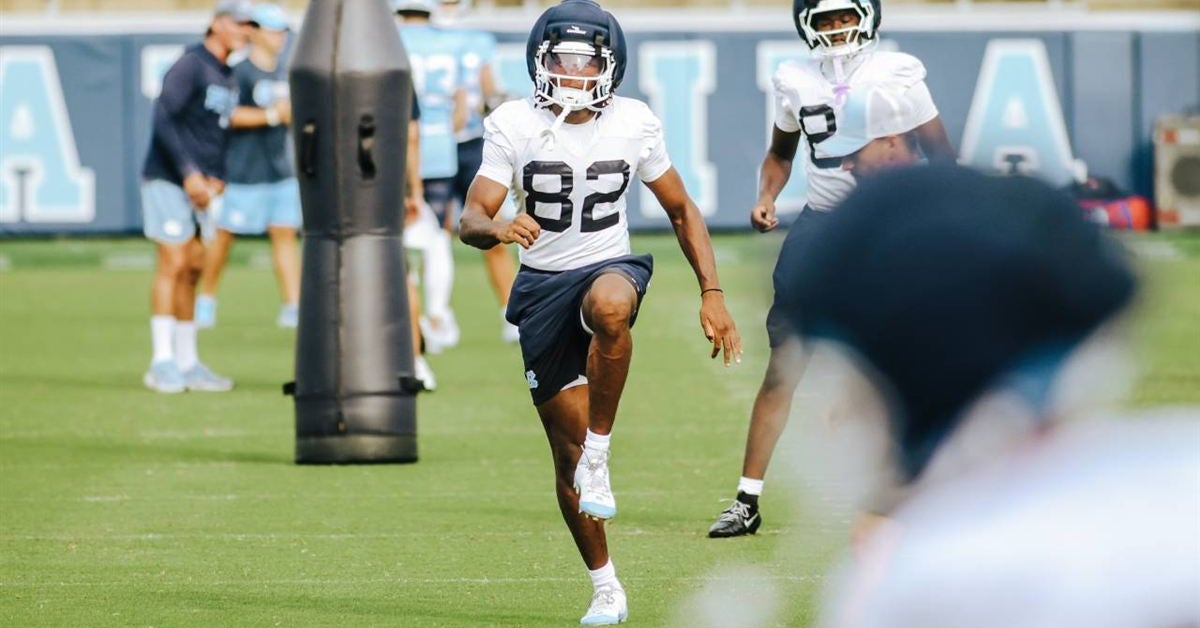
North Carolina moved fast and hard on Keeyun Chapman after his arrest, and that tells you this is bigger than one bad night. The Tar Heels have a discipline story now.

Auburn vs. Florida Preview: SEC Oppener, Fresh Start, Old Heat
Auburn and Florida meet in a game that feels bigger than September. Both programs need proof their new direction is real, not just talk.
UNC football players cited: Sadler, Chapman out vs Clemson
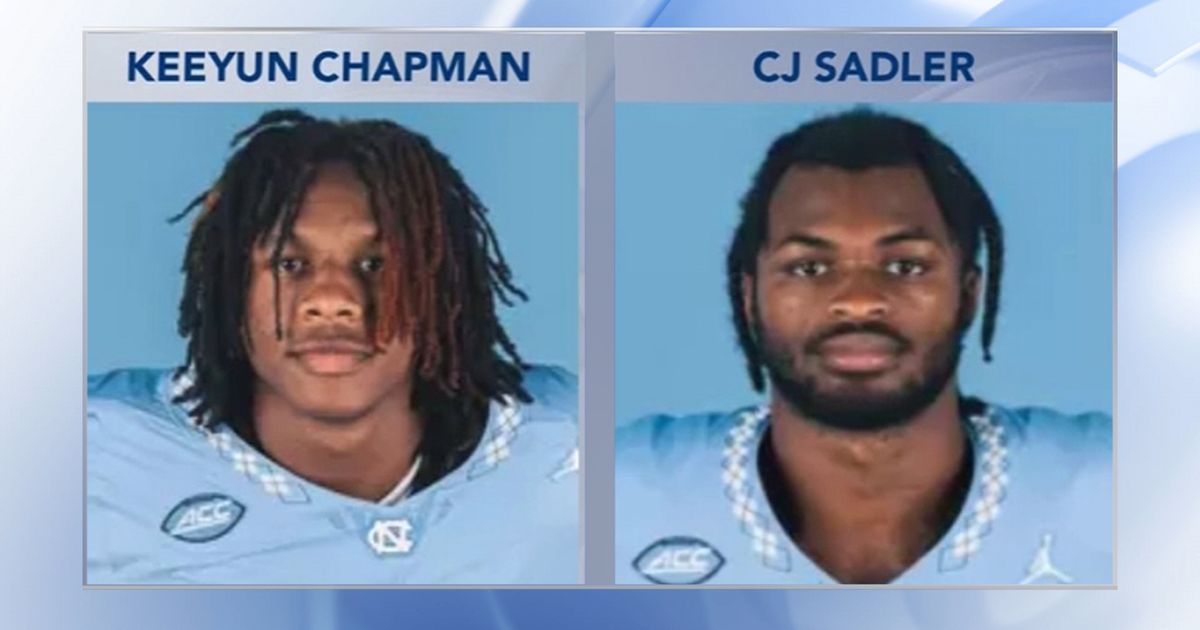
North Carolina will be without two freshman receivers for its ACC opener after citations tied to a traffic stop. The football loss is small; the message is not.