
Colts Fire GM Chris Ballard: A Franchise Out of Patience
Ten seasons in, Indianapolis chose the hard reset over one more excuse.
 Beatrice Kensington5 min read
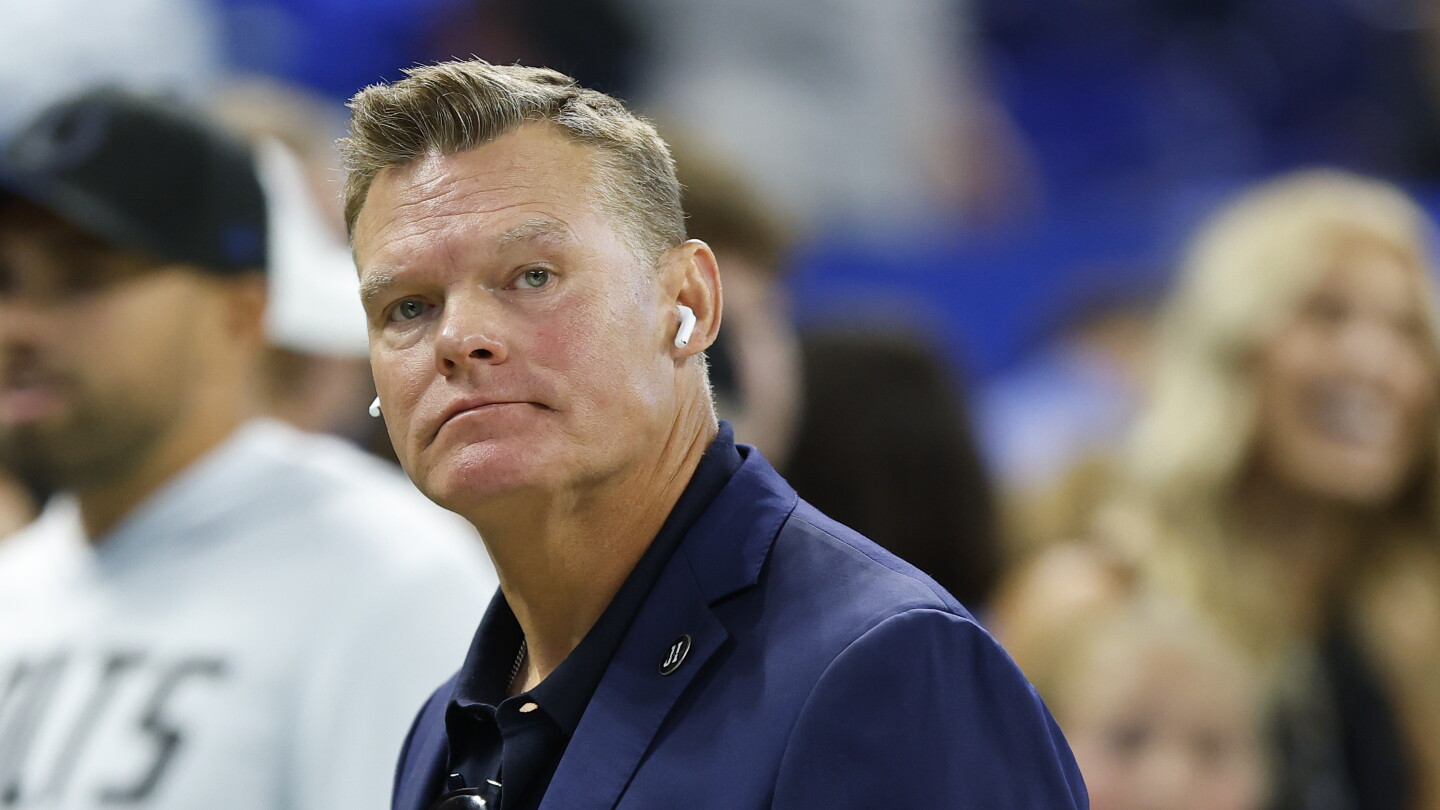
Ten years, one verdict, and no more runway
The Indianapolis Colts did not wake up Monday and decide, in some burst of theatrical impatience, to rewrite their identity. This was a measured act, the kind that grows in silence for months and then lands with the clean finality of a door closing. Owner Carlie Irsay-Gordon fired general manager Chris Ballard after a decade on the job, and the message beneath the announcement was plain enough: the franchise had exhausted its patience with promise that never quite became permanence.
Ballard’s tenure was always sold as a study in process, in discipline, in resisting the temptation to spend recklessly or panic too quickly. That is a noble creed in theory. In practice, the Colts have spent years hovering in the damp middle ground of professional football — too talented to bottom out, too flawed to break through. Sunday’s loss to the Titans was not just another divisional bruise. It was the final page in a long, familiar story about a team that has often looked structured on paper and disjointed on Sundays. The leash snapped.
If you want the broader context, the Colts have lived in quarterback weather for years, and not the pleasant kind. The NFL is merciless to organizations that never settle the most important question, and Indianapolis has spent far too much time trying to build around instability under center. A front office can survive a miss. It can survive a string of them, even. What it cannot survive forever is the sense that the same structural doubts keep returning in a different suit.
The Ballard era was never short on credibility
Ballard was not a cartoon villain and he was not a failure in every respect. That matters. There were sound drafts, smart roster cycles, and stretches in which the Colts looked like a team with an adult in charge. He earned respect around the league for his restraint, and in a sport often addicted to impulsive spending, that restraint had real value.
Yet the NFL does not hand out medals for prudence. It hands out playoff berths, division titles, and the occasional ruthless reminder that “almost” is not a residence. The Colts kept drifting into that grey zone where competence becomes camouflage. They were rarely embarrassing, which can be its own trap. Mediocrity with manners lasts a long time.
Ballard’s firing also lands differently because Indianapolis has spent so long searching for a clean football identity after the Indianapolis Colts moved from the Peyton Manning era into years of transition, injury, and improvisation. Organizations can survive a reset. They struggle when the reset never fully arrives, when each new chapter still feels like an unfinished correction to the one before it.
Sunday’s loss was a symptom, not the disease
The defeat to Tennessee was the spark, but not the fuel. The real issue has been accumulation: inconsistency in the roster, uneven offensive construction, and a persistent inability to turn talent into a week-to-week advantage. The Colts have been one of those teams that can look dangerous in September and vaguely directionless by the time the weather turns.
That is why this move matters beyond one firing. In the AFC South, the margin for drift is brutally small. Teams do not get to be philosophical for long. If you are not building an advantage, you are providing one for somebody else. And for years now, Indianapolis has seemed to occupy the space between threat and theory.
This is where the human side of front-office change deserves its own attention. A general manager’s exit does not merely reshape a draft board; it changes the rhythms inside a building. Scouts get uncertain. Coaches get evaluated in a different light. Players hear the tape hiss of accountability creeping into the hallway. The business of football is always colder than the branding suggests.
Indianapolis has not just fired a general manager. It has admitted that patience, by itself, is not a strategy.
What this means for the next Colts era
The immediate question is not who replaces Ballard, but what kind of organization the new hire is walking into. That distinction matters. A good candidate does not merely inherit a roster; they inherit expectations, politics, and the quiet pressure of a fan base that has now watched another long-tenured decision-maker get escorted to the exit.
The Colts need more than a tidy evaluator. They need alignment — between ownership, football operations, and whoever is making the weekly decisions that shape the quarterback position, the offensive line, and the overall tone of the roster. Without that, this becomes another cycle of change that produces new names but the same old drift.
I’ve always believed a firing like this reveals as much about the people who make it as the person who loses the job. This one tells us the Colts have reached the end of their tolerance for respectable stasis. They would rather risk upheaval than continue mistaking continuity for competence. That instinct can be dangerous. It can also be necessary. NFL history is full of franchises that waited too long to act, then discovered their caution had become its own form of decline. Indianapolis may be trying, belatedly, to avoid becoming one of them.
If that sounds harsh, it is only because the sport is harsh. There are no soft exits in a league built on weekly verdicts. The GM chair is one of the most exposed seats in American sports, and Ballard occupied his for long enough to understand the terms.
The real test is whether this reset has a plan
One firing does not fix a team. Sometimes it merely relieves the temperature in the room for a few weeks. The Colts need the next move to be deliberate, not performative. They need a clean answer on evaluation, on roster-building philosophy, and on how they intend to keep from wandering back into the same fog.
That is the deeper story here. Not the dismissal itself, but the cost of all the seasons that made it feel inevitable.
Indianapolis has chosen motion over memory. Now comes the harder part: proving the motion leads somewhere worth going.
More from Straight From The Bench
Comments
Join the conversation — sign in to leave a comment.
Sign in to commentRelated Stories
Troy Aikman Pool Story: NFL Legends, Memes and Michael Irvin
Troy Aikman’s pool story hit the sweet spot: weird, funny and instantly memeable. Michael Irvin’s reaction only made it better.
Eagles vs. Panthers Snap Count Analysis: Philly's Defense Carried
Philadelphia's Week 6 loss in Carolina was less a one-game stumble than a window into how thin the Eagles' margin has become. The defense logged far too many snaps, and the strain showed.
Dallas Cowboys Offense: Familiar Mistakes Sink Worst Start Since 2020
The Cowboys are paying for two old sins in new packaging: a ground game that disappears and a defense that can’t steady the room. The result is their bleakest opening in years.