
Colts Injury Update: Alec Pierce Heads to IR After Heel Aggravation
A useful wideout is shelved again, and the Colts have to make do without easy yards.
 Leo Lupo5 min read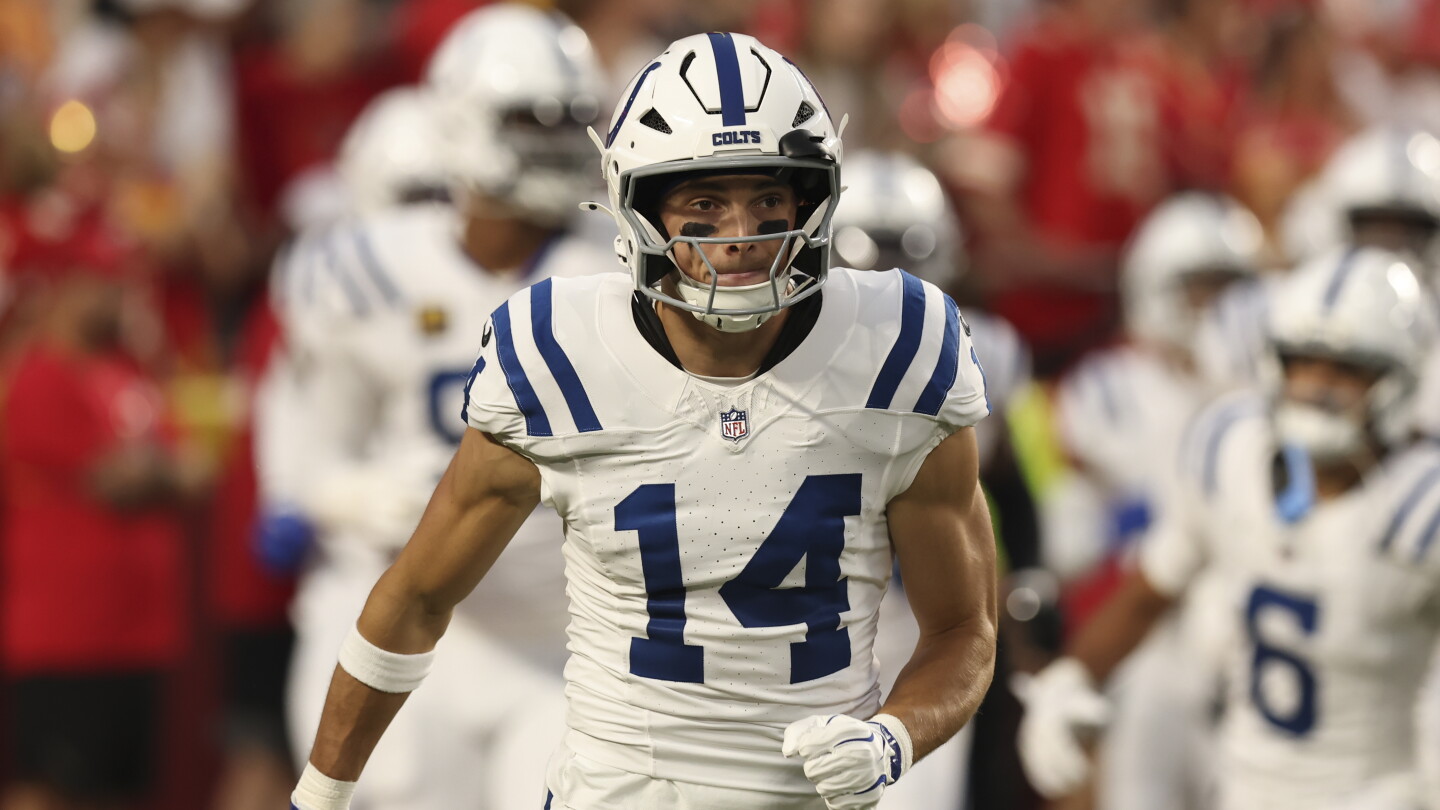
Alec Pierce is going on injured reserve, and that’s the kind of body blow that doesn’t make a lot of noise until the offense starts sputtering in the second quarter. The Colts will be without him for at least four games after he aggravated the heel he had already had fixed. No timetable. No soft landing. Just a receiver who can stretch the field sitting out and a coaching staff left to patch the gaps.
This is the part of the season where teams find out whether they built a sturdy house or just painted the walls nice. Pierce isn’t the whole operation in Indianapolis, but he matters. He gives the offense a vertical pulse. He makes corners backpedal. He keeps safeties honest. Lose that, and defenses start cheating downhill like they own the place.
The Colts lose more than a target
Pierce has always been one of those receivers whose value shows up in the spaces he opens, not just the catches he stacks up. He can take the top off a defense, and that kind of speed changes how coordinators call a game. You don’t need him to catch 12 balls to feel him. One route can shift the coverage shell. One deep shot can clear the alley for everybody else.
Now Shane Steichen has to make do without that threat, and that’s where the loss starts to creep into the rest of the offense. The Colts can talk next-man-up until the cows come home. Fine. Football has always been a survival contest. But the next man is usually not the same man, and defenses know it.
If you want the blunt version, Indianapolis just lost one of the few receivers on the roster who can force a defense to respect the deep ball without a committee meeting first.
Heel injuries are a nasty business for receivers
A heel injury sounds small if you’re sitting in a chair with a coffee. It sounds trivial. It isn’t. For a receiver, the heel is part spring, part anchor, part warning light. You explode off it. You plant on it. You trust it when a corner’s leaning on your hip and the ball is in the air. Once that thing gets aggravated, a guy can be out there trying to run with the brakes on.
And this one comes after surgery, which tells you the issue was never going to be neat and tidy. Repaired tissue doesn’t care about your depth chart. It heals when it heals. In a league built on sudden movements and bad luck, lower-body problems have a way of lingering like a bill nobody wants to pay.
The NFL is full of teams pretending they can absorb injuries as long as they stay “balanced.” That’s nice in September. In reality, losing a downfield receiver changes the math for everybody else. The quarterback holds the ball a beat longer. The pass rush gets happier. The offense starts living in the short and intermediate stuff, where traffic is thick and mistakes are expensive.
Take away the speed guy, and a defense gets greedy. That’s the first thing to go.
What it means for the passing game and the rest of the room
Pierce’s absence puts pressure on the entire receiver room, not just the starting lineup. Somebody has to replace those vertical snaps. Somebody has to keep the defense from crowding the line. Somebody has to win with less margin. That’s the job now.
It also nudges the play-calling in a direction the Colts probably don’t want to live in for a month. More condensed formations. More timing routes. More reliance on yards after the catch. That can work for stretches, sure. Plenty of teams win ugly in this league. But it’s harder to manufacture chunk plays when the one guy built to create them is in street clothes.
I’d keep an eye on how this ripples through the run game too. Defenses that no longer fear the ball sailing over their heads get nosy fast. They start squeezing gaps. They start daring you to be patient. That’s how an injury to one receiver can quietly kneecap a whole offensive script.
If you want a broader NFL context, this is the same old song teams are singing every fall. The difference between survival and a long slog is usually one or two players who can tilt coverage. Indianapolis just lost one of theirs, at least for now. And if you’re the kind of team that still thinks you can roll out there and wing it, ask around the league. Plenty of clubs tried that already. The list of happy endings is short.
I’ve seen enough seasons to know the truth: depth is what you call it before it gets tested, and emergency planning is what you call it after. Back when teams wore wool jerseys and nobody had a fancy recovery staff to talk up, injuries ended seasons faster. Now they just rearrange the furniture and keep the lights on. Same problem, better marketing. The Colts can survive this stretch if the quarterback and the rest of the passing game stay efficient, but they can’t fake Pierce’s skill set. There isn’t a warehouse full of those guys. If there were, everybody would have one.
For Indianapolis, this is a chance for somebody else to grab a chair. For the offense, it’s a reminder that the playbook gets smaller the moment the field-stretcher goes down. That’s the league. No sympathy, no extra points for style.
The next four games will tell the story. If the Colts can keep moving the chains without Pierce, good for them. If not, this is the kind of injury that starts small and ends up hanging around the whole season like a bad smell.
More from Straight From The Bench
Comments
Join the conversation — sign in to leave a comment.
Sign in to commentRelated Stories

Jayden Daniels Injury Update: No Timeline as Specialist Visit Looms
Jayden Daniels remains out with no clear recovery timetable, and Washington’s season now leans on patience, pain tolerance and hope.
Deshaun Watson Browns Home Crowd Support: Cleveland's Test
Watson wants the crowd with him, not against him. After Cleveland’s Week 2 upset, the relationship in Browns Stadium is back on trial.
Seahawks Broncos Beef: Michigan Influence Explains the Rift
A strange old grievance between the Seahawks and Broncos says as much about how teams are built as it does about who was in the room. The Michigan thread is real—and so is the lesson.