
Colts vs Chiefs Overtime Ruling: Clear-and-Obvious Missed
The league built replay to clean up messes. Sunday’s ruling did the opposite.
 Leo Lupo5 min read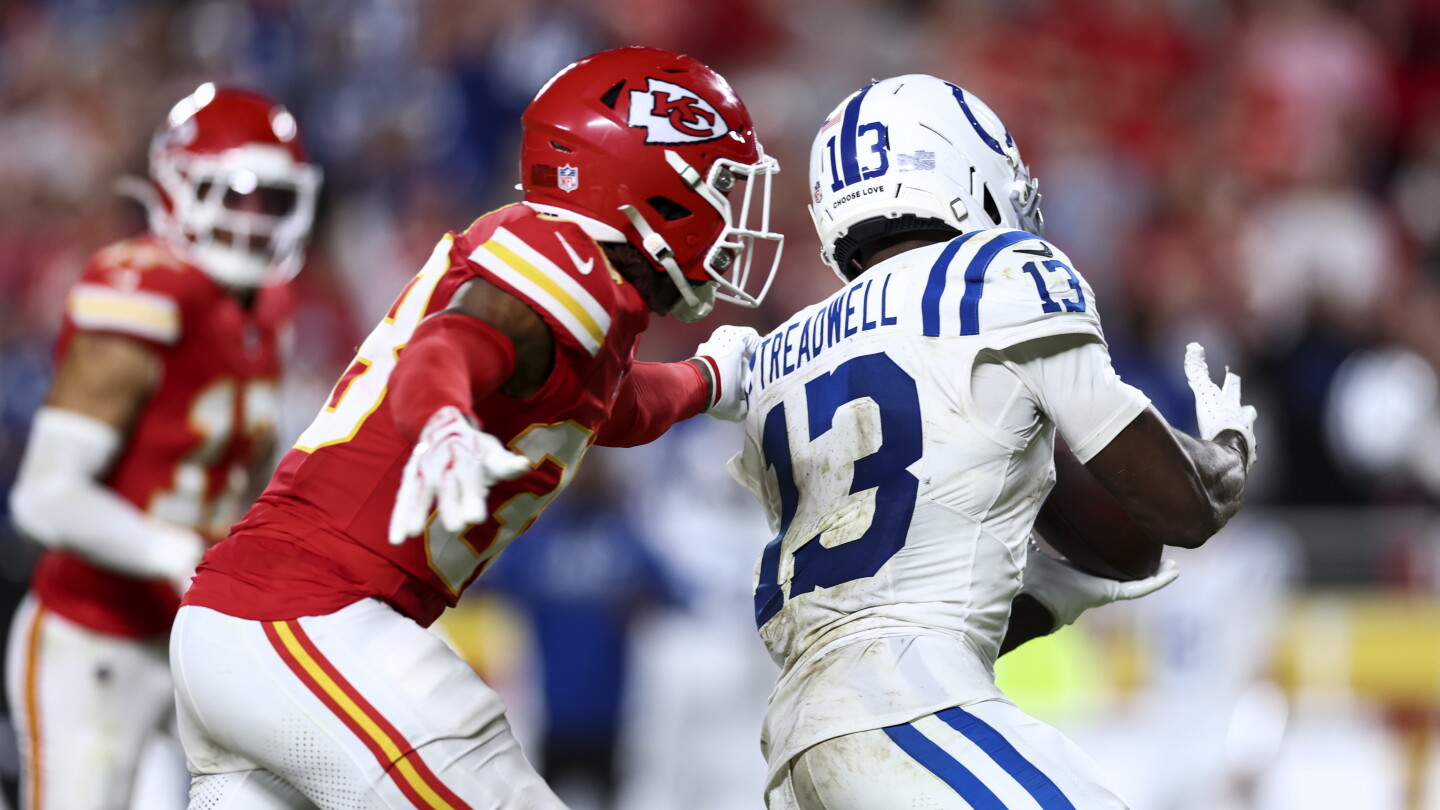
The NFL spent years selling centralized replay as the adult in the room. Same standard, same eyes, fewer ugly surprises. Then came the Colts vs. Chiefs overtime ruling, and the whole thing looked like somebody left the rulebook in the locker room with the hot coffee.
The issue wasn’t some gray-area ballet at the goal line. This was supposed to be the easy part. The kind of review the league created the system for in the first place. Clear. Obvious. No guesswork. Yet the second look failed to correct what looked, by every honest football instinct, like a fumble that ought to have changed the game. Instead, the ruling stood, and the Chiefs were left with the kind of break that makes every other sideline start muttering into its headset.
Replay is supposed to clean up the mess, not decorate it
The NFL’s centralized replay setup exists because the old way was a circus. Every crew had its own little worldview, and half the league spent Sundays wondering why the same play got different treatment in different zip codes. The whole point of taking review out of the stadium was to make the calls more uniform, more defensible, and less dependent on the mood in the booth.
That’s the theory, anyway. The reality is uglier. If a play can survive a review that looks this plain to the naked eye, then the league has a standard problem, not just an officiating problem. “Clear and obvious” is supposed to mean you don’t need a forensic lab and a priest. You see the ball come loose, you see the change in possession, you make the correction. Simple football, the kind they used to understand before every camera angle got stuffed into the replay tent.
And don’t tell me this is just sour grapes from the losing side. Sure, the Colts already have their own file cabinet full of self-inflicted pain, and they’ve had enough late-game trouble to fill a winter in Indiana. But this wasn’t about sympathy. It was about process. If the standard matters, it has to matter on the biggest downs, in the biggest moments, when the league is telling everybody the machinery works.
The Chiefs benefited, but the damage lands on the whole league
Kansas City didn’t draw up the review system, and nobody’s pretending the Kansas City Chiefs should apologize for catching a break. Teams take the calls they’re given. Coaches live with it. Fans grumble, then buy the next ticket. That’s football. But the broader damage lands on the shield, because every shaky review feeds the same old American sports cynicism: the rules are for the little guy, and the big moment gets handled however the room wants it handled.
If “clear and obvious” doesn’t overturn that play, then the standard is mush.
That’s the heart of it. Not conspiracies. Not crying wolf. Mush. Elastic. Convenient. And once the standard gets elastic, replay becomes theater. The crowd waits for the announcement, everybody listens, and nobody fully trusts the result. That’s poison for a league that already spends too much time explaining itself after the fact.
Why this one stings harder than your usual Sunday gripe
There are bad calls every week. There always have been. I’ve watched stripes miss facemasks in the rain, spot the ball like they were dropping change into a parking meter, and somehow decide a receiver’s shoe lace was part of the field. But the ones that stick are the calls that were supposed to be fixable. That’s where trust goes to die.
The NFL can live with human error. Fans can, too, even if they howl like busted radiators. What they can’t stomach is a review system that watches a wrong result sit there, perfectly visible, and then shrugs. That’s not a footnote. That’s a statement. It says the bar is no longer “correct the obvious.” It says the bar is “correct it only if everyone in the room feels like agreeing.”
And that’s a dangerous way to run a league that depends on competitive credibility. You don’t get to sell precision on Tuesdays and accept fog on Sundays.
The bigger picture: officiating needs less polishing, more backbone
I’ve been around long enough to remember when replay was sold as the cure for football’s worst habits. Funny thing about cures: if you keep missing the disease, the patient gets suspicious. The league doesn’t need more glossy explanations from the competition committee. It needs officials who actually use the standard they claim to be using.
That means one of two things has to happen. Either the NFL tightens the language so “clear and obvious” means what common sense says it means, or it admits the standard is too slippery to matter. Right now, they’re stuck in the middle, where every contentious review becomes a lawyer’s argument instead of a football ruling. That’s no way to run a sport built on brute simplicity.
And let’s be honest: teams know it. Coaches know it. Players know it. The smart ones stop complaining in public and start adjusting in private, because the league has made one thing clear above all else: if you want a call fixed, make sure it’s impossible to ignore. That’s not confidence. That’s resignation.
The sad part is that this kind of mess doesn’t just stain one result. It leaks into everything else. A team like Indianapolis walks away thinking the margin for error includes the officiating crew. Kansas City walks away with another win and a fresh batch of side-eye. And the fans? They walk away wondering why the league keeps building more cameras if it still can’t nail the basics.
The NFL can dress this up any way it wants. Doesn’t matter. When a review misses the obvious, the damage is done. Next week’s game will come, and the apology will be implied, not spoken. That’s how these things go.
But the next close call is already waiting. And everybody will be watching the stripes a little harder than usual.
More from Straight From The Bench
Comments
Join the conversation — sign in to leave a comment.
Sign in to commentRelated Stories

NFL Week 2 Injury Update: Daniels, Williams, Watson on the Move
Jayden Daniels and Caleb Williams left Week 2 with fresh uncertainty, while Deshaun Watson tried to steady the Browns’ quarterback conversation.
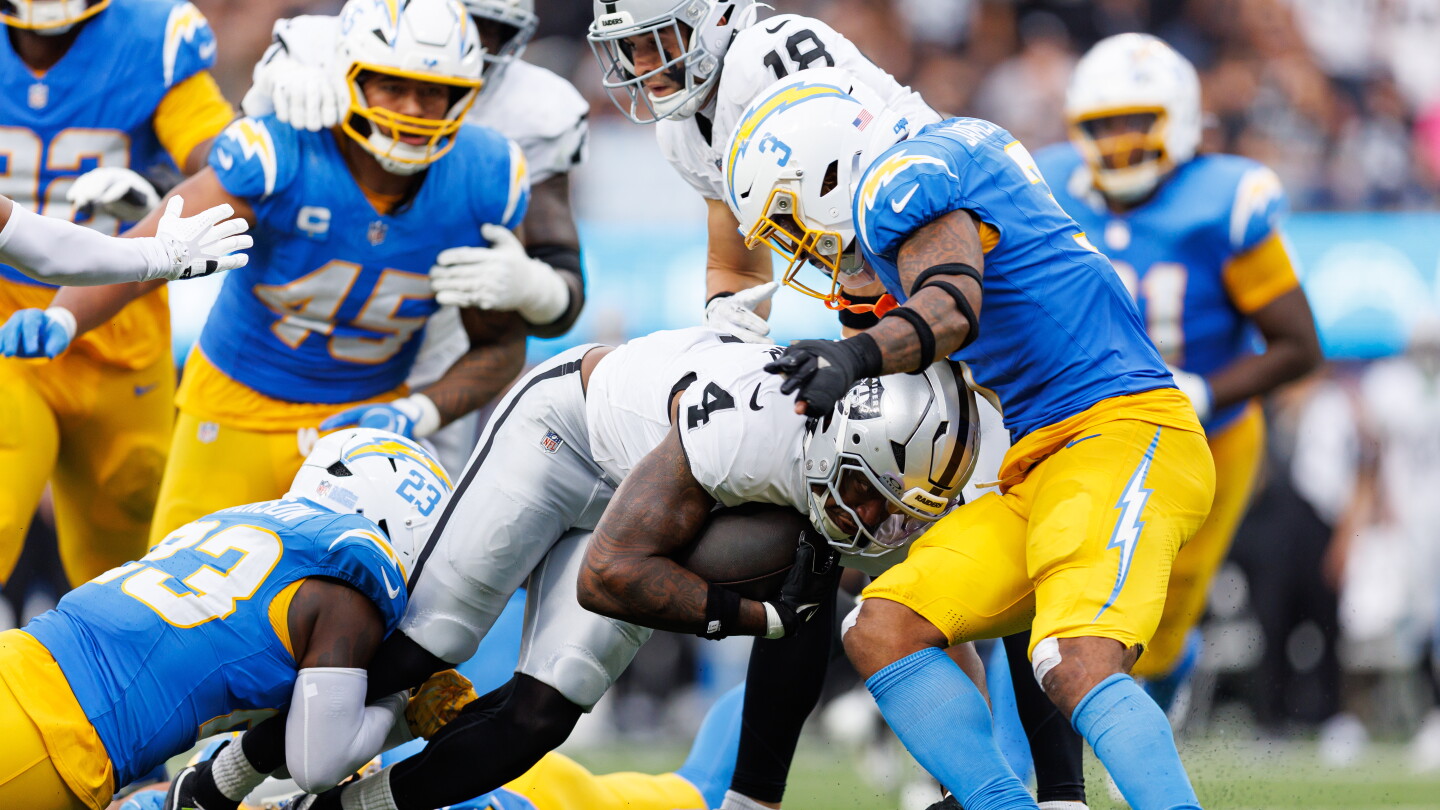
Chargers vs Raiders: Derwin James says the truth after 0-2 start
Derwin James stopped dressing it up after another Chargers collapse. Two games in, the same old problems are staring back at them.

49ers Season Update: Fast Start Hides a Growing Injury Bill
San Francisco is stacking results early, but the body count is already the kind of thing that can spoil a sharp September. The Niners look good, yet the margin for error is getting thin.