
Commanders Tie vs Giants: Sam Cosmi’s Pylon Kick Captures the Miss
A maddening finish, a weary sideline, and one lineman’s kick that said everything.
 Beatrice Kensington6 min read
.jpg?w=1120&h=630)
Washington did not merely fail to beat the Giants; it managed, in the bleak theater of overtime, to turn a winnable moment into a small civic tragedy. By the time Sam Cosmi appeared in the trending clip, sending a kick into the pylon in frustration after the final play sequence dissolved, the emotional arithmetic of the night had already been settled. This was not the agitation of a team that had been robbed. It was the more corrosive feeling of a club that had left the door open, stared at the brass knob, and then wondered why the room did not simply invite it in.
The Commanders and Giants rarely make peace with each other on the field, and they certainly did not offer it here. They offered sloppiness. They offered confusion. They offered the kind of overtime ending that exposes how fragile NFL discipline can be when the margin is one rushed substitution, one unclear signal, one player out of place, one coach too late to stop the clock from becoming the enemy.
A tie that felt more like a bruise than a result
A tie is supposed to soften the blow of a loss, to give both sides something on the record and a little less on the conscience. This one did the opposite. It lingered. It embarrassed. It felt unfinished in the worst possible way, not because the game itself was a masterpiece of tension, but because the final sequence carried the unmistakable odor of waste.
That is what made Cosmi’s moment resonate online. The kick at the pylon was not the story; it was the punctuation mark. It belonged to the body language of a sideline that knew it had mismanaged the final stretch and had nowhere dignified left to put the frustration.
The Washington Commanders have spent too many recent Sundays living in this narrow emotional corridor between promise and preventable error. The roster has enough talent to stay competitive, but not enough operational calm to consistently cash in when the game asks for poise. Against the New York Giants, that weakness was laid bare again.
The final sequence said more than the box score
The last play in overtime should be where professional football shrinks down to its purest form: execution, urgency, clarity. Instead, Washington allowed the clock to bleed away in a manner that suggested confusion in the moment and regret almost immediately after. There is a certain humiliation in that. Fans can accept being beaten by a sharper team. They struggle far more with being beaten by the calendar.
This was especially galling because the overtime setup was not some impossible mountain. It was the kind of situation good teams handle with a practiced ruthlessness. Get organized. Know the down-and-distance. Know who is on the field. Know whether the play call is designed to attack or merely survive. Washington seemed to lose its grip on those basics, and once that happens, the game becomes a mirror. It reflects only disorder.
The internal fallout matters, too. A tie after a botched finish does not merely cost points in the standings. It chips at authority. Players notice when a sideline is uncertain. They notice when urgency arrives a beat late. They notice when a promising drive ends with the offense looking as though it has been trapped inside its own instruction manual.
The tie was not the wound. The wound was the way Washington made the final minutes look avoidable.
Sam Cosmi’s frustration became the image of the night
The trending clip of Cosmi kicking the pylon works because it is so human. It is not polished anger. It is the compressed irritation of a player who knows he has watched something slip through the seams. Offensive linemen are often the least theatrical men on the field, which is precisely why the moment landed. There was no performance there, only the blunt edge of disappointment.
Cosmi has been one of the more interesting pieces on this roster, a player whose value lies in the sort of work the casual viewer only notices when it goes wrong. His reaction was messy, yes, but it was also honest. Teams often pretend these endings are cleanly absorbed. They are not. They are carried into film sessions, into meeting rooms, into the next week’s preparation like wet concrete.
For Washington, the concern is not that one lineman showed emotion. The concern is that the emotion came at the end of yet another game where the franchise failed the simplest test of late-game competence. This is where the NFL can be cruelest. Not in the violence of contact, but in the cold economy of operational failure.
What this means for the Commanders’ broader story
I have seen enough seasons to know that a team’s identity often reveals itself in the quietest failures, not the loudest victories. A highlight win can flatter a roster for weeks. A botched finish, though, tends to tell the truth.
My view: Washington is still at the stage where talent is not the problem so much as trust. Trust in the sequence. Trust in the communication. Trust that the sideline will not blur in a moment that demands exactness. That is a painful place to live because it is fixable and, at the same time, stubbornly recurring. It takes more than a slogan to repair it. It takes months of habits, and those habits have to survive stress.
I keep thinking about how often teams in this position are described as “close.” Close is a dangerous word. It can become a narcotic. It permits too much comfort with almosts. The Commanders do not need almost. They need finality. They need the kind of late-game discipline that makes opponents feel the clock tightening around their own neck instead of Washington’s.
There is a reason why fans remember endings so vividly in this league. The last sequence is where competence looks undeniable and incompetence looks theatrical. Washington gave its people the latter, and the pylon kick became the emblem of a night that should have been governed by steadiness.
The next week will tell us whether this was a stumble or a pattern
The film will be ugly, and it should be. If there is any useful anger to be found here, it will come from the accountability that follows. The staff has to clean up the communication. The offense has to move with a sense of choreographed urgency. The players have to treat late-game management as a core skill, not a clerical chore.
Washington can still salvage meaning from a tie if it treats the ending as an indictment rather than an annoyance. That distinction matters. One leads to correction. The other leads to repetition.
And repetition, in this league, is how a season slowly hardens into its reputation. The Commanders do not need another viral apology from the sideline. They need a cleaner final minute. Soon.
More from Straight From The Bench
Comments
Join the conversation — sign in to leave a comment.
Sign in to commentRelated Stories

Jaylen Warren Steelers Workload: Mike McCarthy Wants More Touches
Mike McCarthy says there’s a number he’d like to keep giving Jaylen Warren, even with Rico Dowdle on the way back. That’s coach-speak for “this kid has earned more.”
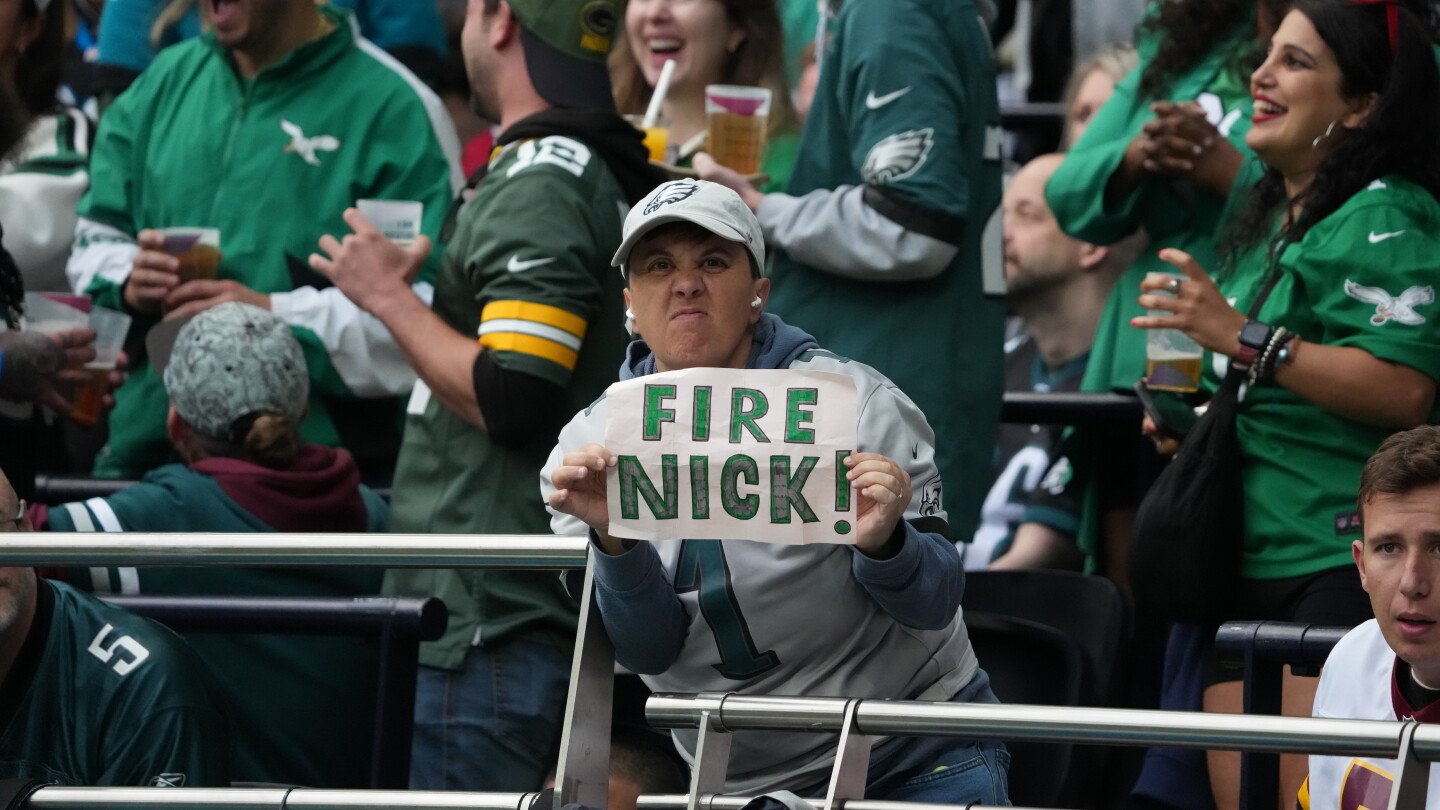
Nick Sirianni Kick Coverage Error: Eagles’ London Lesson
Nick Sirianni owned the mistake, but the larger failure belonged to a unit that never finished the job. In London, one kickoff became a clean window into the Eagles’ margins.

Fantasy Football Waiver Wire Week 6: Germie Bernard, Dameon Pierce
Week 6 waivers are loaded with usable volume, not just shiny names. Germie Bernard and Dameon Pierce headline a board built for managers who need production now.