
Dakota Ditcheva hand injury update: Briton breaks both hands again
A champion’s body is starting to tell a harder story than her fists.
 Beatrice Kensington5 min read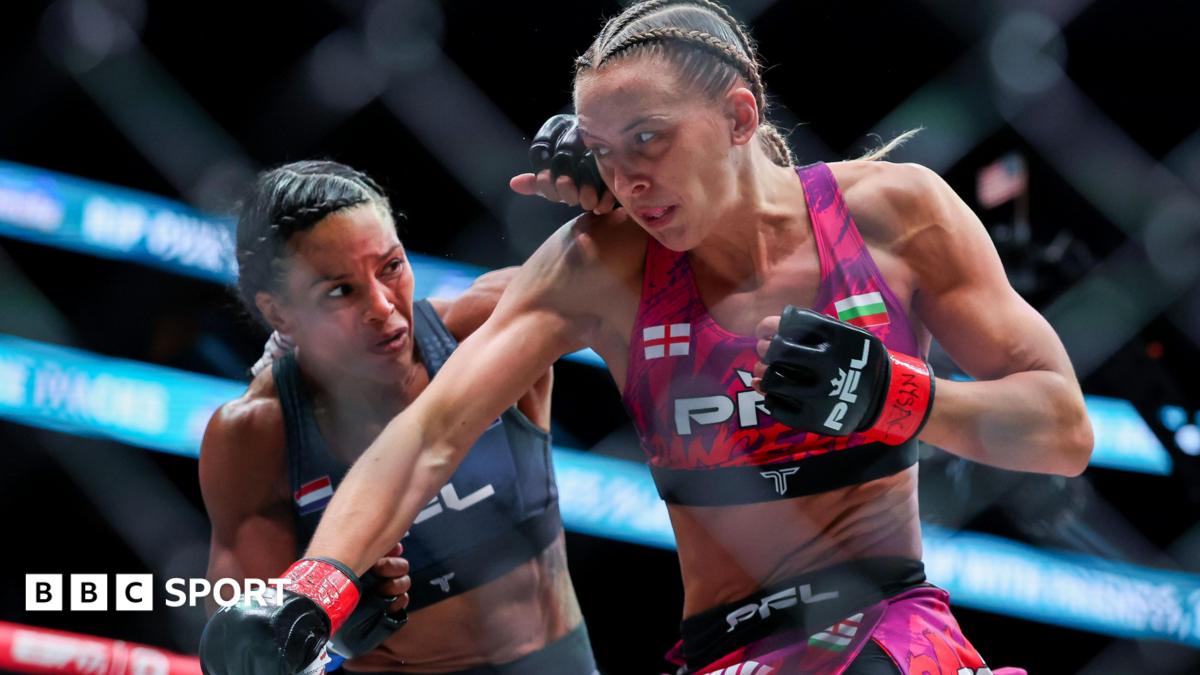
A win that arrived with a price tag
Dakota Ditcheva did what elite fighters are paid to do: she went through Denise Kielholtz, controlled the exchange, and left the cage with another line on the ledger under the bright merciless logic of combat sports. Yet the aftermath was not about technique or momentum or ranking. It was about pain. Ditcheva says she broke both of her hands in the victory, and the words land with the dull thud of a punishment that has become far too familiar.
She has not simply been knocked off course by one ugly twist of fate. This is the second time around in a short span that her hands have betrayed her. For a striker, that is not an inconvenience. It is an existential problem. Hands are the engine, the punctuation mark, the warning flare. When they go, everything becomes harder: training, sparring, confidence, timing, even the small private rituals that make a fighter feel normal again between camps.
The cruelty of repeated injury in a fighter’s prime
The hardest part of repeated hand injuries is not the cast or the rest or even the surgery, if that comes. It is the waiting. Fighters are used to motion. They are built for forward pressure, for absorbing discomfort and turning it into work. Rehabilitation demands the opposite. It asks them to sit still while the sport races ahead without them.
That is why Ditcheva’s reaction carries so much weight. “I’ve cried non-stop” is not the kind of line athletes usually offer in public, because most are trained to package suffering neatly, to fold it into a tough-guy narrative and move on. But there is no neatness in breaking both hands again. There is only the private arithmetic of another reset, another altered camp, another stretch of being unable to throw with conviction.
The broader fear here is not just missed time. It is how repeated injuries can reshape a fighter’s style. Even the bravest athletes begin to ration themselves when a limb has failed them twice. They reach less freely. They punch with a fraction less appetite. And in a sport as unforgiving as MMA, fractions are the difference between domination and hesitation.
Repeated hand injuries do more than sideline a fighter; they quietly tax the confidence that makes the fighter dangerous.
Why this matters beyond one bruised victory
Ditcheva has become one of the more compelling figures in the women’s side of the sport because she brings something increasingly rare: conviction. She fights like someone who expects to win. That temperament matters, especially in a landscape where too many promising athletes get smothered by cautious matchmaking and endless waiting rooms. Her win over Kielholtz should have been another stepping-stone, another clean chapter in a rise that still feels unfinished.
Instead, it becomes a reminder that a career in combat sports is never only about skill. It is about durability, yes, but also about whether the body agrees to keep pace with the ambition.
There is a reason fans gravitate to fighters like Dakota Ditcheva. They carry a kind of forward motion that makes the division feel more alive. They can change the temperature of a card. They create expectation. And expectation is a dangerous thing to ask of a young fighter whose hands are already sending up alarms.
What the injury means for her next stretch
The practical questions now are obvious, if unpleasant. How long will recovery take? Will she need more time away than she hoped? Does the nature of the break force any changes to her striking habits or hand positioning? Those answers matter, but so does the tone of the comeback. A fighter returning from a hand injury often has to prove not merely that the bone has healed, but that the mind is no longer flinching.
This is where matchmaking and patience begin to matter. Promotions love a fast-moving star, but stars are not renewable resources. They can be managed badly in the scramble for momentum. Fans saw a different version of that problem in Ben Simmons Australia national team minicamp: zero restrictions return, where the body’s calendar and the public’s appetite were not perfectly aligned. In combat sports, the friction is sharper because the consequences are immediate and visible.
Ditcheva does not need to be rushed back into proving she is durable. She needs the kind of recovery that preserves the thing that makes her worth following in the first place: the blend of power, precision, and authority.
My read: the body always keeps its own ledger
I have watched enough fighters, enough seasons, enough careers bent by small betrayals of flesh to know that talent is only half the story. The other half is whether the body will consent to the project. Sometimes it does. Sometimes it charges rent. Ditcheva is still young enough that this need not become the defining chapter of her career, but it would be foolish to pretend it is only a footnote.
To me, the real test here is not whether she can return. Most fighters return. It is whether she can return without learning fear in the hands that once made her so dangerous. That is a subtler injury, and often the more stubborn one.
For now, the sport waits while she heals. That is the bargain, harsh and old. The next fight will come. So will the next question about whether the hands hold up. Until then, the silence around her punches will say enough.
More from Straight From The Bench
Comments
Join the conversation — sign in to leave a comment.
Sign in to commentRelated Stories

Kyle Stowers Hamstring Injury Update: Marlins Lineup Impact
Kyle Stowers left Miami’s win with hamstring discomfort, and the timing could force the Marlins into another lineup shuffle fast.
Quillan Salkilld vs Mateusz Gamrot: UFC Fight Night Submission
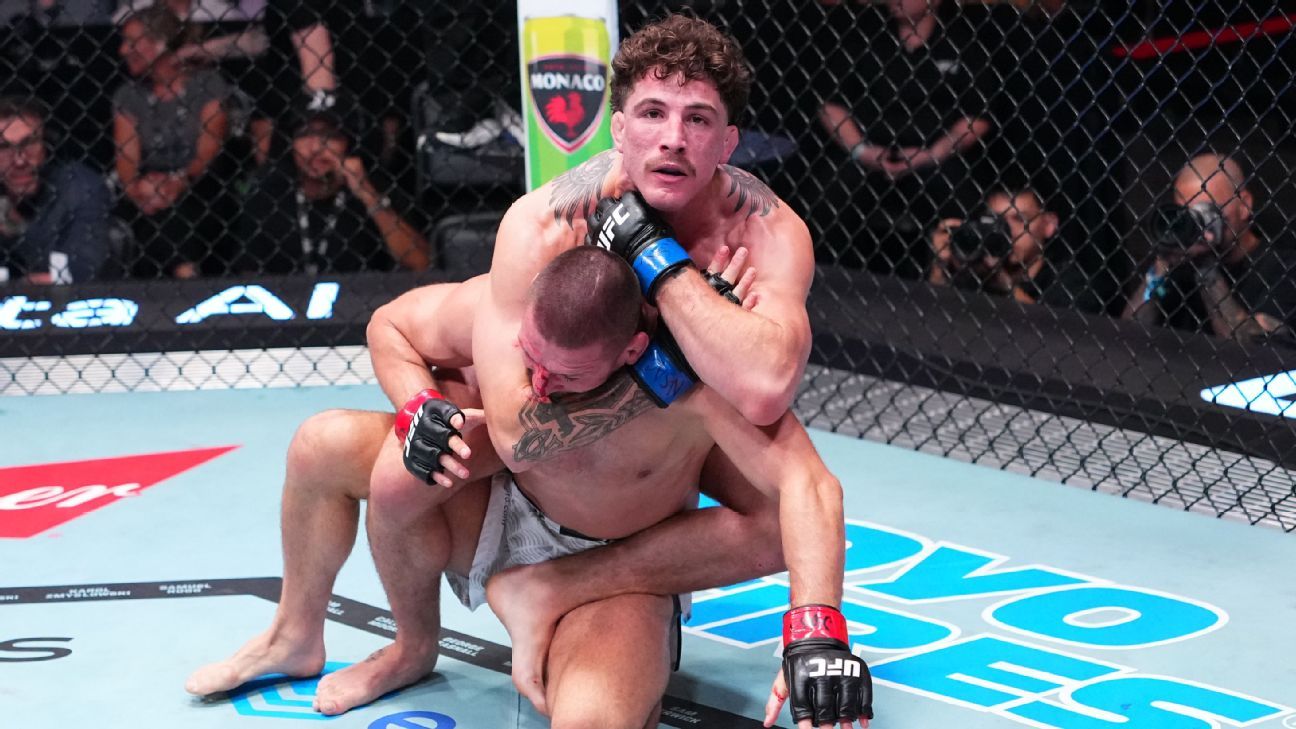
Quillan Salkilld did not just beat Mateusz Gamrot; he stripped the night down to its bones and made a veteran look briefly out of time. The first-round finish announced a new name with alarming force.

UFC Fight Night 284 Live Updates: Gamrot vs. Salkilld
Mateusz Gamrot and Quillan Salkilld meet under the hard lights in Las Vegas, where margins are thin and reputations are made one clean exchange at a time.