
Padres vs Astros: Home Run Barrage Powers Series Win
San Diego didn’t nibble Sunday night. It took a big bite and left Houston staring at the scoreboard.
 Leo Lupo7 min read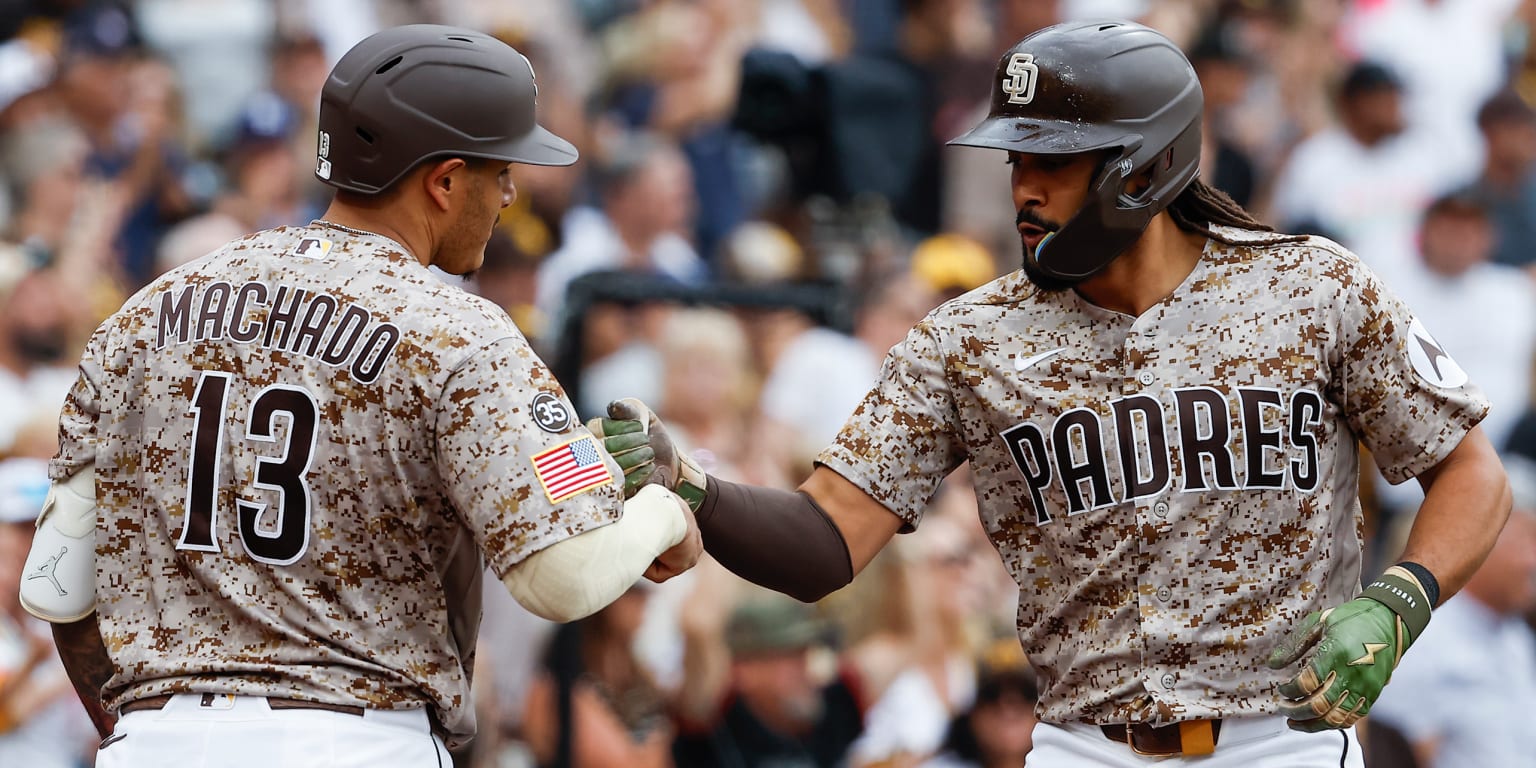
The Padres brought the bats and didn’t ask permission
SAN DIEGO — The San Diego Padres didn’t win Sunday night by scratching out a run here and a stolen base there, the way desperate clubs sometimes do when the calendar starts leaning on them. They hit. Hard. Repeatedly. Cleanly enough to make a pitcher’s pulse jump. Four home runs, seven runs, and a 7-2 beating of the Houston Astros that wrapped up a series win and kept San Diego in the thick of the chase.
That’s the story, plain as a freight train. Jackson Merrill, Fernando Tatis Jr., Gavin Sheets and newcomer Austin Hays all left the yard. Different names, same result. The ball kept traveling, and the Astros kept walking back to the dugout looking like they’d stepped into the wrong alley.
This wasn’t some fluky little Sunday splash either. This was a lineup that looked alive, dangerous, and a little annoyed. That matters in August, because dead bats are expensive and contagious.
Merrill and Tatis gave the lineup its swagger
Merrill and Tatis Jr. are the kind of names that change the temperature in a park. When they’re barreling balls, the whole order feels taller. Pitchers start rushing the next pitch. The catcher starts looking over his shoulder. Everybody tightens up a notch.
That’s what good stars do. They don’t just collect numbers. They mess with the room.
Tatis has been carrying the burden of being both lightning rod and centerpiece for years now, and Merrill keeps looking less like a nice young player and more like one of those guys who belongs in the middle of the postcard that comes with October baseball. Sunday night had that feel. Not a one-man show. A layered thing. A grown-up inning here, a hard swing there, and suddenly the scoreboard starts doing the talking.
When the Padres hit like this, they don’t look like a wild-card team. They look like a club everybody in the bracket wants to avoid.
Austin Hays changes the shape of the order
The newcomer Austin Hays joining the homer parade is the kind of little detail that can turn into a real nuisance for opposing staffs. Teams can game-plan for the stars. They can map out where the damage usually comes from. Then a fresh bat shows up and spoils the paperwork.
That’s the useful part of adding a veteran like Hays: he doesn’t have to be the headline every night. He just has to force a pitcher to think twice in a spot where they’d rather coast. One extra dangerous bat can make the whole lineup feel less manageable. That’s how good clubs get a little cruel late in the season. They don’t just beat you with the marquee names. They beat you because the rest of the order won’t let you breathe.
And for a Padres team that has spent too many nights wondering whether the offense would show up at all, a game like this is more than a box score flourish. It’s a reminder that the lineup can still bully somebody when it wants to.
Keeping pace is not the same as coasting
The standings part matters, too. San Diego kept pace with Arizona and Philadelphia, and that’s the sort of sentence that sounds dry until you remember how quickly the margin disappears if you spend a week farting around with empty at-bats and sloppy innings.
The Padres have been trying to live in that crowded neighborhood where nobody gets much room to make mistakes. MLB doesn’t hand out sympathy points for style. You either keep up or you spend September chasing the rear bumper of the club you should’ve been chasing. Sunday night helped prevent that.
If you’re San Diego, you don’t want to be the team talking about “staying in it” like that’s some noble achievement. You want to be the team somebody else is trying to catch. This is the difference between being relevant and being interesting. Relevant teams make the next opponent sweat. Interesting teams make writers use phrases like “if things break right.”
The Padres don’t need more poetry. They need more nights like this.
What this says about the club’s ceiling
I’ve watched enough baseball to know a hot night doesn’t clean up every mess. A team can homer four times and still have the same bullpen questions, the same rotation worries, the same old nagging issue where one cold week at the plate makes everybody reach for the panic button.
But I’ve also been around long enough to know this: power travels well. It doesn’t care about travel fatigue or road noise or the mood in the dugout. When a club can produce damage from different spots in the order, it gets harder to trap them in one formula. That’s what the Padres need if they’re serious about October.
The best clubs don’t have to win the same way every night. They can win ugly, win tight, win with a late sacrifice fly, or win by hanging a crooked number on a staff that had one bad inning and never got over it. Sunday looked like the latter. That’s not just good baseball. That’s how you build a little fear into the schedule.
I’ll tell you this much, and I’ve been saying it since the days when uniforms were heavier and offenses had more grit than gadgetry: a team with this kind of thump is never truly out of the picture. The Padres have had enough seasons of false starts and shiny promises to make anybody cautious. Fine. Be cautious. But don’t mistake caution for blindness. When Tatis and Merrill are driving the ball, when a newcomer like Hays can walk in and add thump, this club stops being a soft touch. And in a crowded race, that changes the whole room.
Houston got hit by the version it least wanted
For the Astros, this was the wrong night to get dragged into a home-run contest. That’s not their favorite neighborhood. Houston usually prefers to wear you down with competence, the way old pro teams do when they know exactly where the edges are. Sunday night, they ran into a San Diego lineup that was swinging with confidence and didn’t leave much room for that methodical style to take hold.
That’s baseball’s little trick. Some nights the same swing that looks ordinary in the first inning turns into a statement in the fourth. A lineup wakes up, a crowd leans forward, and suddenly the whole script changes. San Diego was the club that found the bigger swings, the louder swings, the swings that made the other side look up at the sky and hope for mercy.
The Padres also had company in the context department. If you’ve been watching the rest of the league, you know this isn’t the time to get cute. Clubs are either stacking wins or making excuses. San Diego chose the first option, and they did it with some bark.
There’s also a nice little echo here with the way other teams around the league are trying to survive by getting contributions from unexpected places. You saw it in a different register with Rainiers vs. Aviators: 8-5 Final Score Breakdown; different level, same truth — the clubs that can keep pressure on an opponent from multiple spots usually end up walking away with the louder headline.
The Padres don’t need to be perfect. They just need to keep swinging like they mean it. If they do, the rest of the league will keep making room for them whether it likes it or not.
Next up, San Diego has to prove this wasn’t just a Sunday night sermon. Another good swing. Another clean inning. Another week of reminding people that this lineup can still bang with the best of them.
More from Straight From The Bench
Comments
Join the conversation — sign in to leave a comment.
Sign in to commentRelated Stories
Rainiers vs. Aviators: 8-5 Final Score Breakdown
Seattle’s affiliate found its offense at the right time and turned a tight night into an 8-5 finish. The box score tells part of it; the pressure moments tell the rest.

White Sox vs Guardians: Water, walks, and a small victory
The White Sox took a 5-3 win over Cleveland in a game built on patience, leaks, and just enough survival. For a club searching for any sturdy ground, that mattered.

Kyle Stowers Hamstring Injury Update: Marlins Lineup Impact
Kyle Stowers left Miami’s win with hamstring discomfort, and the timing could force the Marlins into another lineup shuffle fast.