
Dana White World Cup Production Critique: UFC Boss Fires Back
A final whistle, a sharp tongue, and a reminder that live TV never forgives
 Beatrice Kensington5 min read
Dana White does not often sound like a man moved by aesthetics. He sounds, more usually, like a man weighing leverage. But after the World Cup final, the UFC chief was apparently so irritated by the spectacle around him that he reached for the kind of language usually reserved for a promoter nursing a bruised ego and a bad production truck. The message was blunt enough to cut through the champagne fog of a championship day: the people handling the biggest soccer match on earth, in White’s view, had made a mess of it.
That reaction matters less as a tantrum than as a small window into the modern sports business, where the event is no longer just the game. It is the choreography around the game, the camera work, the timing, the emotional framing, the sense that someone in the control room knows how to place history in a flattering light. White has spent years building the UFC into a machine that understands this instinctively. He may not always say it delicately, but he knows how to make a fight night feel inevitable, sharp-edged, and intimate all at once. The World Cup finale, for him, apparently looked like a giant stage with a few loose boards underfoot.
White’s complaint was really about control
In the old order, an organizer could get away with saying the event spoke for itself. Not anymore. The production is the message. The way a championship is lit, cut, paced and presented tells viewers whether they are watching a ceremony or an interruption.
White’s irritation lands with extra force because it comes from a man who has built his brand on ruthless control of the live experience. The UFC, for all its roughhouse mythology, is a tightly managed broadcast product. Walk into a UFC event and the machinery of the show is obvious: the lighting, the walkouts, the music cues, the careful escalation before the cage door closes. White understands that live sports now compete not just against rivals on the field but against apathy, distraction and the infinite scroll.
If the World Cup finale felt undercooked to him, that is not a trivial insult. It is a critique of the largest stage in global sport from a man who sells spectacle for a living.
Big events are no longer judged only by who wins. They are judged by whether the people behind the curtain remembered to make it feel like a once-in-a-lifetime night.
FIFA’s grand stage and the modern standard
The FIFA World Cup final is supposed to be the one sporting appointment that can hold the planet still for a few hours. It is ritual, inheritance, national memory. When the production stumbles — even in ways that only sharp-eyed insiders or chronic complainers notice — it can bruise the illusion that this is the apex of organized sport.
That illusion matters. The final is not just the last match; it is the closing argument for the whole tournament. It tells sponsors whether they bought prestige or merely inventory. It tells broadcasters whether the feed served the drama or diluted it. It tells future hosts what level of polish the public will expect when the world comes calling again.
White’s outburst, juvenile as the phrasing may have been, taps into a real benchmark shift. Fans now compare every major live event to the best of what they see elsewhere: the NFL’s polished presentation, the NBA’s glossy rhythm, the UFC’s relentless eye for detail. Even Spain’s victory over Argentina in the broader narrative of international soccer — and the emotional freight attached to those jerseys — only deepens the need for production that lifts rather than distracts.
Why White felt better about his own operation
There is a little vanity in every promoter, and then there is the special kind that comes from comparison. White did not merely object to what he saw. He drew a contrast. By implication, the UFC’s own house looked cleaner, sharper, better run.
That is not accidental. White has always sold the UFC as the antidote to clutter. No dead air. No soft edges. No committee language. If the World Cup finale appeared sloppy to him, then his instinct was not simply to complain. It was to reinforce the UFC’s central promise: here, at least, someone is paying attention.
I have always thought White’s real talent lies not only in promotion but in hierarchy. He knows who matters, who doesn’t, and how to make the viewer feel that the person running the show is in the room with them. That style has risks — it can become abrasive, even self-mythologizing — but it also explains why UFC broadcasts often feel like they were made by people who have actually watched them. In a sports landscape increasingly ruled by data decks and branding decks, that counts for a lot.
The bigger lesson for live sports
This little flare-up points toward a larger truth. The most powerful leagues and federations are not just competing in the standings; they are competing in presentation quality, in tone, in the invisible confidence that tells the audience the event is worth their time.
The World Cup will always outrank a lot of other properties by force of history alone. Yet history does not excuse sloppiness. If anything, it makes the audience less forgiving. The bigger the stage, the smaller the margin for a camera angle that misses the moment or a broadcast decision that drains tension from it.
For White, the takeaway was self-congratulation. For the rest of sports, it should be a warning. The market for attention is punishing, and prestige is no longer enough. You have to earn the feeling of prestige every single time.
Bea’s view is simple: the best sports nights are not merely watched, they are curated. When the curation fails, even a final can feel oddly ordinary. And ordinary is poison at that level.
There will be another global showcase soon enough, another boardroom promise of a flawless presentation, another chance to prove that the production can keep pace with the occasion. Everyone involved should hope the cameras are listening.
More from Straight From The Bench
Comments
Join the conversation — sign in to leave a comment.
Sign in to commentRelated Stories
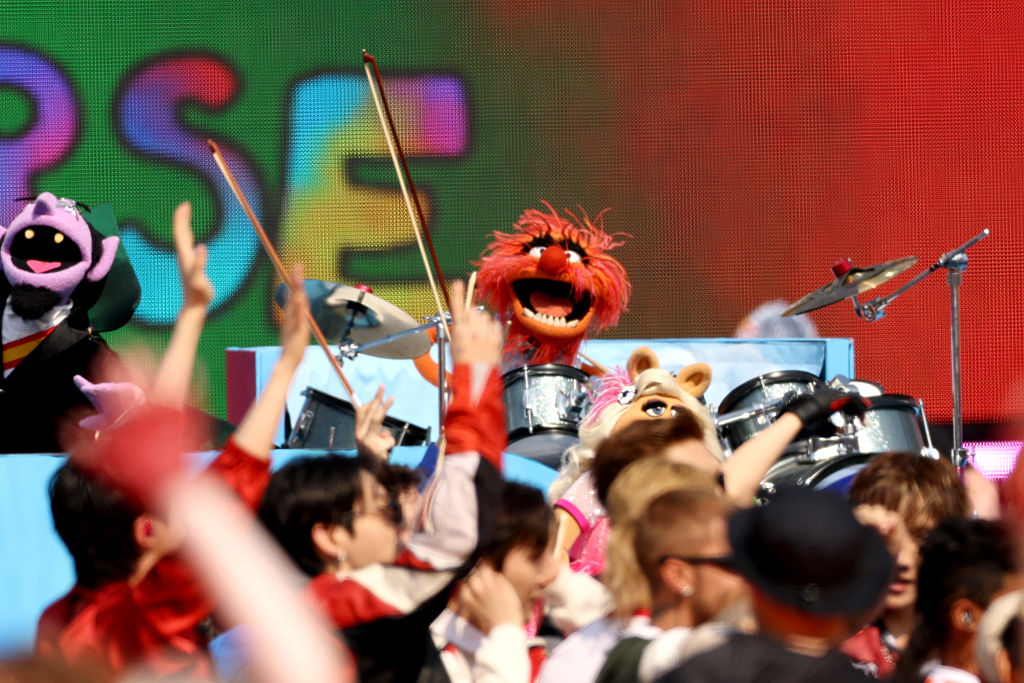
FIFA World Cup Finals Halftime Show: A Spectacle Gone Sideways
FIFA wanted shine and got slapstick. Post Malone, a baffling stage show, and a whole lot of noise turned the World Cup final into a sideshow.
FBI World Cup Security: 700 Drone Takedowns, No Major Attacks
The World Cup was sold as a festival, but it was also a sprawling security test. The FBI says the event passed with no major attacks and hundreds of drones brought down.

Spain World Cup Final: Outplaying Messi's Argentina to the Summit
Spain were cleaner, sharper and more ruthless in the biggest game. Messi’s Argentina never got a foothold, and the trophy followed the performance.