
Spain World Cup Final: Outplaying Messi's Argentina to the Summit
The best team in the tournament didn’t flinch. Argentina ran into a machine.
 Zane Miller5 min read
Spain didn’t just win the FIFA World Cup final. They controlled it, stripped it of drama, and turned Lionel Messi’s Argentina into passengers in the one match nobody gets to survive by reputation alone.
The 1-0 scoreline says close game. The feel of it said something else entirely. Spain looked like the tournament’s best team from the opening whistle to the closing one, and the individual awards that came with the title fit the bigger picture. This was not a fluke, not a bounce, not a late rescue job. It was a team in full command of the moment.
Spain owned the final from the first phase
There are finals that swing on one mistake. Then there are finals where one side simply refuses to let the other breathe. Spain were the second kind.
They won the middle of the pitch, moved the ball with purpose, and made Argentina chase shadows for long stretches. That is the hardest thing to do on the sport’s biggest stage, because the final usually gets sticky. Legs tighten. Decision-making gets messy. Players start looking over their shoulder at the clock. Spain never drifted into that trap.
This is where the distinction between “good team” and “tournament team” lives. Good teams can look dangerous in bursts. Tournament teams can impose their rhythm on an opponent that’s supposed to own the occasion. Spain did that against an Argentina side built around experience, control, and the gravitational pull of Messi. For long stretches, none of it mattered.
And that matters for how people will remember this title. Not as a lucky run. As a level.
Messi’s Argentina never found the lever
Argentina came into the final with the kind of aura that can distort a game before the ball is even kicked. Messi changes spacing. He changes nerves. He changes how opponents defend.
Spain didn’t panic around him.
They were compact when they needed to be, aggressive when the lane opened, and disciplined enough to deny the kind of chaos Argentina thrives on when Messi starts bending the match toward his terms. That is a brutal way to lose a final if you’re Argentina: not because you were outmuscled, but because you were outplayed in the spaces that matter most.
There’s a reason clubs and national teams spend years chasing this kind of control. It travels. It holds up when the whistle gets tight and the stage gets loud. Spain have been building toward a version of this for a while, and on this night the structure finally matched the talent.
For Argentina, the sequel to a championship story was always going to be complicated. Squads age. Legs fade. Margins shrink. When a final asks you to win a tactical fight as much as an emotional one, the answers have to come quickly. Argentina never really found theirs.
The awards made the argument for Spain
The individual prizes going to Spain’s players weren’t a side note. They were the tell.
When the best team also takes home the top honors, it usually means the voters saw what everybody else saw in real time: the shape of the final, the weight of the performances, the lack of doubt. Those awards rarely land on the wrong side of a dominant tournament unless the optics are distorted by a last-minute moment. This one wasn’t.
Spain were the class of the event, and the hardware reflected that. No need for spin. No need for mythology. The best side won the biggest match.
Finals don’t always reward the loudest star. Sometimes they expose who actually runs the game.
For Spain, the bigger prize is not just the trophy. It is the validation of a style. International soccer is full of teams that want to play beautifully until the pressure gets serious. Spain showed that beauty and control can still survive the final exam.
What this says about the next cycle
I’ve covered enough knockout tournaments to know the pattern: people fall in love with the finalist, then spend the next four years arguing about whether the path was repeatable. Spain are going to get that treatment, and fair enough. It comes with the territory.
But this feels different from a one-off peak. The core of what Spain did here is portable. They weren’t relying on one absurd shot count, one keeper miracle, or one forward who had to do everything. They had structure. They had timing. They had a plan that made sense across the full tournament and held up in the final. That’s the stuff federations try to manufacture and usually fail to keep intact.
The historical parallel is obvious: the teams that dominate a World Cup often don’t look like chaos merchants. They look repeatable. They make the hard parts of the game feel boring. Spain had that kind of control in the final, and that is why this title lands with real weight.
For Argentina, this probably triggers the uncomfortable offseason conversation every champion eventually faces: how much of the team can still be built around one legend, and how much needs to be retooled around the next wave? That question never waits politely.
Spain, meanwhile, have the harder problem now — staying sharp when everybody starts chasing them.
A final that settled the argument
There was no need for extra time, no need for a rescue act, no need for the mythology people usually invent after a tense final. Spain settled it the simple way: they were better.
That’s the part that should stick. Not the 1-0 margin. Not the individual prize haul. The fact that the best team in the tournament walked into the final and looked like it knew exactly who it was.
The rest of the sport will spend the next cycle trying to catch up.
More from Straight From The Bench
Comments
Join the conversation — sign in to leave a comment.
Sign in to commentRelated Stories

Argentina loss: Trump sports curse talk returns after Messi comments
Trump’s praise of Lionel Messi before Argentina’s loss to Spain was enough to revive the old curse chatter. In a sport built on fate and memory, superstition always finds fresh soil.
FBI World Cup Security: 700 Drone Takedowns, No Major Attacks
The World Cup was sold as a festival, but it was also a sprawling security test. The FBI says the event passed with no major attacks and hundreds of drones brought down.
World Cup final halftime show: Mad, loud, and strangely earned
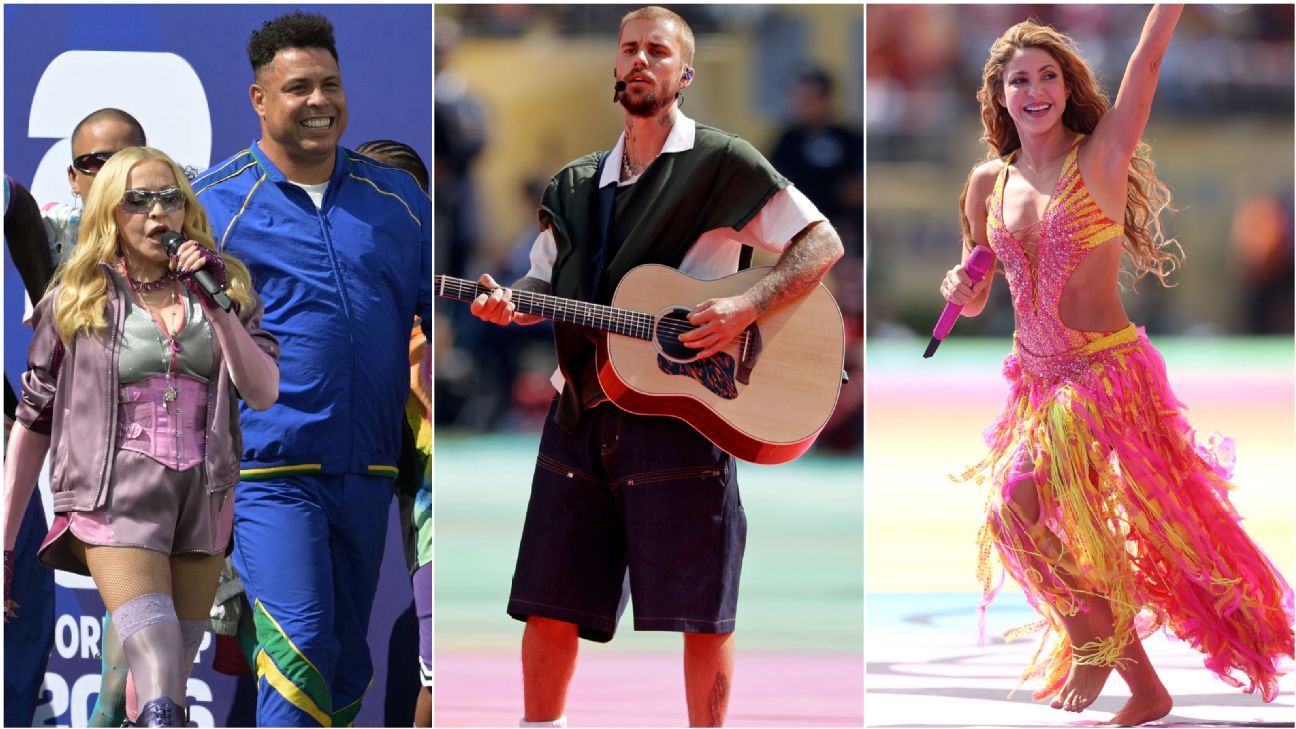
The first World Cup final halftime show brought star power and spectacle to the biggest stage in soccer. It also raised the old question: did the music serve the match, or swallow it?