
Spain vs Argentina World Cup Final: Young Spain Wins
La Roja didn’t just win. They smothered the moment and owned it.
 Zane Miller5 min read
Spain walked into the biggest stage in the sport and played like the team with the cleanest wiring in the building. Argentina had the name power, the gravity, the whole Messi-era aura. Spain had the plan. They took the final in New Jersey, strangled the rhythm, and left with their second World Cup looking less like a flash and more like a statement.
This was not a pretty open-field shootout. It was a control job. Spain kept Argentina frustrated, kept the game in their preferred lanes, and never let the final become the kind of free-flowing emotional fever dream that usually favors a side with Messi in it. That matters. Finals are often decided by who can make the other team play a version of the game it hates most. Spain did that from the opening stretch.
Spain won the fight for space
The modern Spain blueprint is not about living off one superstar’s emergency exits. It’s about spacing, timing, and constant circulation until the opponent starts chasing shadows. Against Argentina, that cohesion showed up everywhere. The lines stayed connected. The press was coordinated. The midfield didn’t panic when the ball turned over.
That is the difference between a talented team and a mature one. Argentina wanted moments. Spain wanted structure. They got structure.
And in a final, structure ages better than emotion.
Spain didn’t beat Argentina’s talent. They beat Argentina’s comfort.
If you watched this one closely, the most impressive thing wasn’t a highlight reel action. It was the way Spain removed the easy outs. No cheap transitions. No loose space between midfield and defense. No long spells where Argentina could settle into that familiar rhythm where Messi starts touching the ball and everyone else starts anticipating the next move.
That’s elite tournament football. It’s ruthless in a quiet way.
Argentina never got the final on their terms
Argentina entered this with the usual final-stage advantages: experience, star power, and the kind of tournament identity that has carried teams all the way through harder brackets. But Spain made every possession feel like work. That’s brutal for a side that wants to turn one clean sequence into belief.
The comparison to Spain’s recent rise is obvious. This is not the old possession-for-possession’s-sake version of the national team. This version has teeth. It’s younger, faster, and more willing to hurt you without looking decorative. If you want a reminder of how tournament momentum can swing when a team truly believes in its collective shape, look back at Spain vs Argentina World Cup Final: Defensive Masterclass Wins. This was the same basic idea, just with the stakes turned to eleven.
Argentina could never get the game to tilt fully into chaos. That’s a problem against Spain because Spain’s best version is built to keep the margins narrow and the decision-making stressful. The longer the match stayed compressed, the more this felt like a closing argument for the Spanish system.
The youth movement is no longer a theory
The big-picture note here is simple: Spain’s young core has moved from promise to proof. Early in the tournament, that opening draw against Cape Verde looked like the kind of result people use to write a lazy cautionary tale. A talented team. A bit raw. Maybe not ready.
Then they kept going.
That’s what winning teams do. They absorb the uncomfortable result, adjust the dials, and keep their shape. Thirty-four days from a goalless opener to a World Cup trophy is a real compression of time, and it says something about how quickly this group matured under pressure. That kind of rise is not accidental. It’s a sign of a dressing room that can process information fast and a staff that trusts the structure enough to let it breathe.
For Spain, this also changes the conversation around the next cycle. Teams that win this young don’t just add a trophy. They alter the market around themselves. Opponents scout them differently. Players enter camp with higher status. The federation gets more runway. Suddenly the questions are not about whether the group is ready. They’re about how long the window stays open.
Zane Miller’s read: this is how dynasties start looking serious
I’ve seen enough international tournaments to know the difference between a lucky run and a team that has found its footballing identity. This felt like the second thing. Spain didn’t stumble into a trophy because the bracket broke right. They imposed a shape on the final and made one of the most famous attackers in the sport spend long stretches reacting instead of creating.
That’s the stuff that travels. It works in knockout games. It works when legs get heavy. It works when the noise gets stupid and the tension climbs. The best international sides are usually the ones that can win without begging for a miracle. Spain just showed they can do exactly that.
If you’re building the next few years around this team, you’re not betting on vibes. You’re betting on a system that just proved it can survive the biggest stage and still look composed. That’s how Lionel Messi stops being the story and becomes the benchmark you just cleared.
For Argentina, this one stings because they never got to play their best version. For Spain, it’s the kind of win that changes how the rest of the sport talks about you on Monday morning. And that conversation is only getting louder.
The trophy is in the case now. The scouting meetings start next.
More from Straight From The Bench
Comments
Join the conversation — sign in to leave a comment.
Sign in to commentRelated Stories
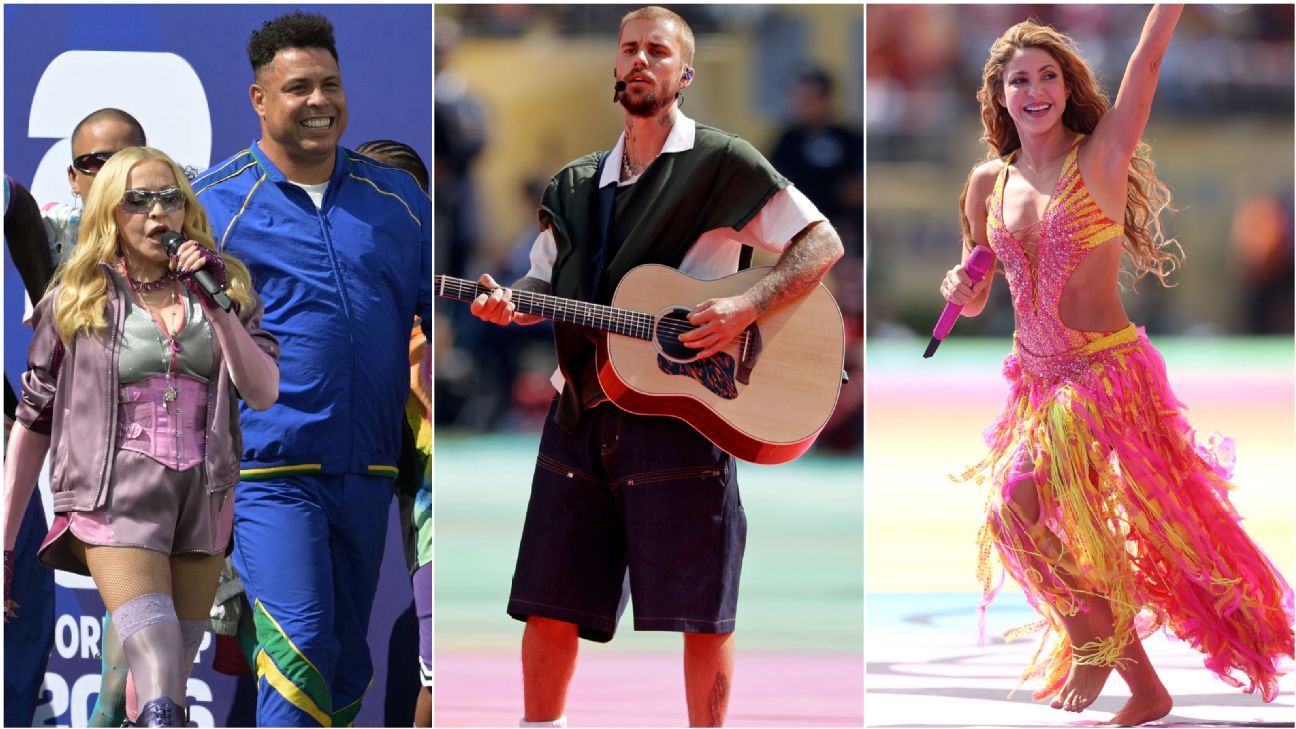
World Cup final halftime show: Mad, loud, and strangely earned
The first World Cup final halftime show brought star power and spectacle to the biggest stage in soccer. It also raised the old question: did the music serve the match, or swallow it?

Spain World Cup Final: Outplaying Messi's Argentina to the Summit
Spain were cleaner, sharper and more ruthless in the biggest game. Messi’s Argentina never got a foothold, and the trophy followed the performance.

2026 World Cup Final: Trump’s Presence Casts a Long Shadow
Spain won the final, but the loudest reaction in the building belonged to Donald Trump. In a sport built on ceremony, his presence turned one last act into a test of nerves.