
Dodgers-Brewers NLCS Pitching Matchup: How the Rotations Line Up
October baseball, with payroll on one side and provenance on the other.
 Beatrice Kensington6 min read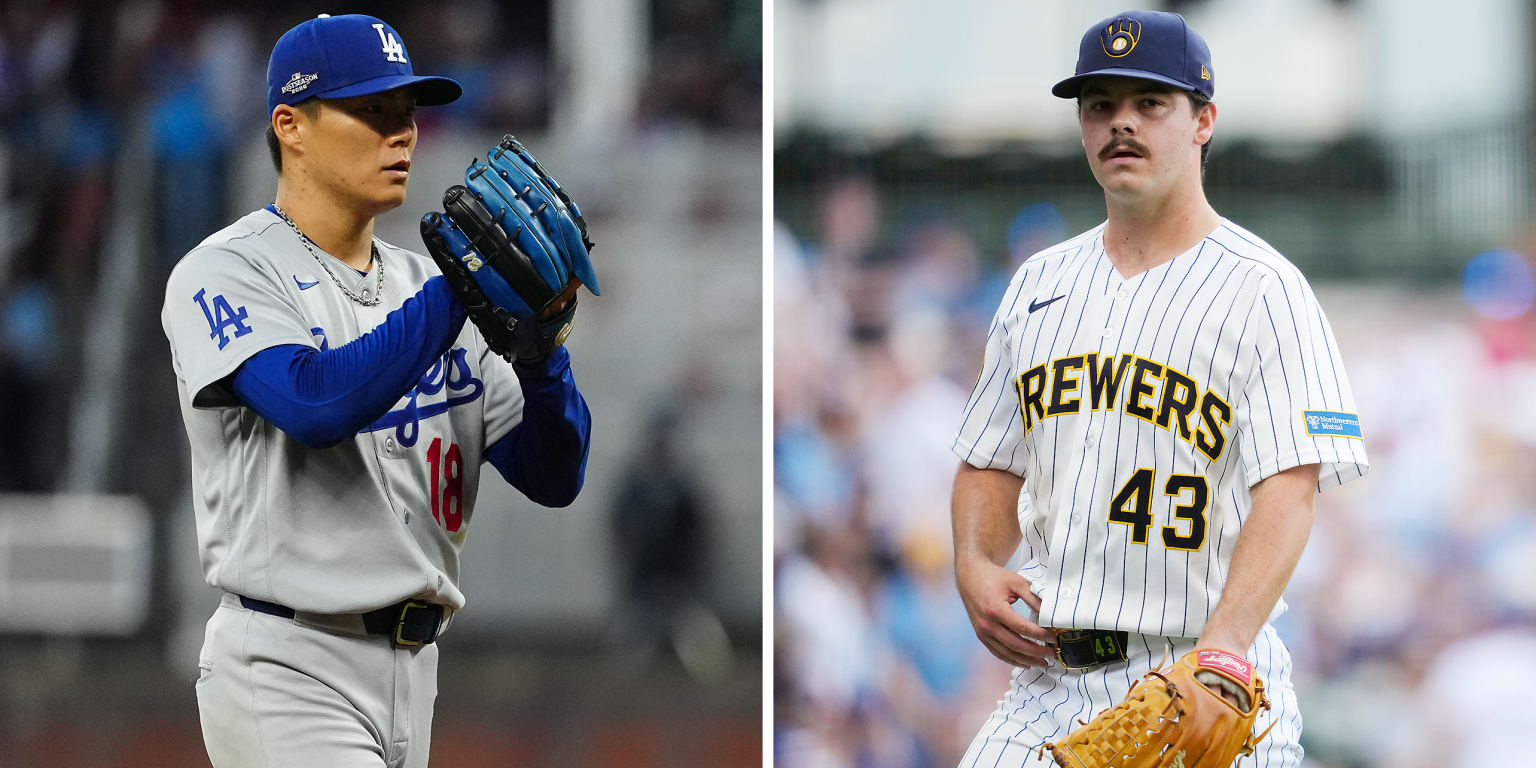
Two staffs, two ways of building a contender
October has a way of stripping baseball down to its truest argument. In the Dodgers and the Brewers, we are not merely watching two teams reach the NLCS; we are watching two institutions reveal their philosophies under pressure. Milwaukee has spent years assembling a roster that feels grown in local soil, a club built through scouting, patience and the stubborn belief that competence can be manufactured without extravagance. Los Angeles, by contrast, has become baseball’s gleaming arsenal, a machine that can buy time, depth and, on most nights, the comfort of a deeper bullpen and a more decorated rotation.
That contrast matters because this series is likely to be decided less by thunderous three-run homers than by the small tyranny of innings. Who gets through the sixth. Who blinks first with two on and nobody out. Who can survive the third trip through the order without turning a taut game into a surrender.
And that is why the pitching alignment hanging over this matchup feels so central, so almost architectural. The clubs can dress it up in power bats and October theater, but the frame of the series is the arms.
Milwaukee’s discipline meets Los Angeles’ volume
The Brewers have long been baseball’s most disciplined little rebellion. They do not behave like a club that can afford to waste chances, because they are not one. Their advantage has often come from sequence and precision: a starter who buys the bullpen an extra inning, a reliever who knows exactly which hitter he can beat, a manager willing to treat the game like a chess problem rather than a parade of personalities.
That style has carried them here, and it is not glamorous work. It is labor. It is repetition. It is a roster whose edges matter because the middle is not flush with celebrity. There is dignity in that. There is also fragility. Against the Dodgers, every misread pitch can become a canyon.
Los Angeles, for all its payroll muscle and all those years of expectation, lives in a different climate. The Dodgers can survive a flawed inning because the next arm behind it may be every bit as difficult to solve. That is the quiet menace of depth. It does not shout. It accumulates. By the fifth or sixth inning, opposing lineups begin to look as if they have walked into a room that keeps changing shape.
If you want the broadest truth of the matchup, it is this: Milwaukee needs the game to stay intimate. Los Angeles prefers a crowd.
October rewards the team that can keep one hand on the steering wheel when the other is already reaching for the bullpen phone.
The likely rotation edge will shape every managerial choice
The pitching order for the NLCS does more than tell us who starts Game 1. It determines how aggressively each dugout can chase leverage, when a manager can afford to be patient, and whether a starter is being asked to win the game or merely hold it in place long enough for somebody else to finish the sentence.
That is especially true in a matchup like this one, where the Brewers’ path depends on not overexposing the middle innings. Their best work often arrives when they are ahead of the game’s emotional weather, not behind it. A clean first time through the order can make them feel inevitable. A crooked inning can force them into the kind of bullpen math that baseball people perform with a tightening jaw.
The Dodgers, meanwhile, have spent a generation learning how to weaponize optionality. They can ask more of a starter without being reckless because the organization has long treated pitching not as a fixed hierarchy but as a living chain of contingencies. One arm prepares the stage, another closes the curtain, and if the script changes, there is usually another actor waiting in the wings.
That is why this matchup may come down to something less romantic than power and more punishing than drama: who can absorb a bad inning without allowing it to spread.
What this means for the stars, and for the rest of the roster
The headline names will draw the broadcast graphics, but October tends to ask hard questions of the lesser-known men. Can the bottom of Milwaukee’s lineup manufacture enough traffic to make the Dodgers’ starters throw extra pitches? Can Los Angeles get enough length from its rotation to avoid draining the bullpen before the series has fully found its pulse?
This is where a club built on homegrown talent can become dangerous. Not because it is prettier, but because it is older in spirit than the market would prefer. Brewers teams of this type have a way of turning into collective acts. Nobody alone carries the franchise; everybody helps move it another inch. That can be enough in a short series if the pitching staff keeps the score within reach.
The Dodgers, for their part, do not need romance. They need execution. They need the kind of pitching sequence that makes their offense feel like a lead rather than a rescue mission. When Los Angeles is at its best, it is not merely superior; it is suffocating. A starter who settles the first four innings, a reliever who puts out the flare-up, and suddenly the opponent is staring at the scoreboard as if it has become a judgment.
Beatrice Kensington on the larger stakes
I have always believed the postseason tells us what the regular season only hints at: that baseball is still a civic game, a reflection of who gets to spend, who gets to build, and who is forced to become inventive because there is no other choice. Milwaukee’s whole identity in this series is bound up in the idea that a smart organization can remain dangerous without becoming lavish. Los Angeles carries the burden — and the advantage — of proving that spending, when paired with coherence, can still produce something formidable rather than merely expensive.
I am drawn to the Brewers here because they embody a baseball truth too often sanded down by payroll talk. Homegrown talent is not sentimental fluff. It is a competitive structure. It creates continuity, shared language, and the sort of trust that makes October less frightening. But trust has limits against a club like this Dodgers team, which can absorb pressure the way some buildings absorb weather.
That is why I suspect the first two games will tell us almost everything. If Milwaukee can drag Los Angeles into a series of tense, low-scoring evenings, the Brewers can make this ugly in the best possible way. If the Dodgers land early punches and force the Brewers to chase, then the matchup begins to resemble gravity.
There is no moral victory in that. Only baseball, ruthless as ever.
The first innings may matter more than the final score
However the rotations are arranged, this series is likely to begin with a test of nerve disguised as a pitching plan. The team that settles the strike zone first will have the better chance to dictate the mood of the week.
That is the part worth watching now. Not just who starts, but who survives the silence after the first crack of the bat.
More from Straight From The Bench
Comments
Join the conversation — sign in to leave a comment.
Sign in to commentRelated Stories
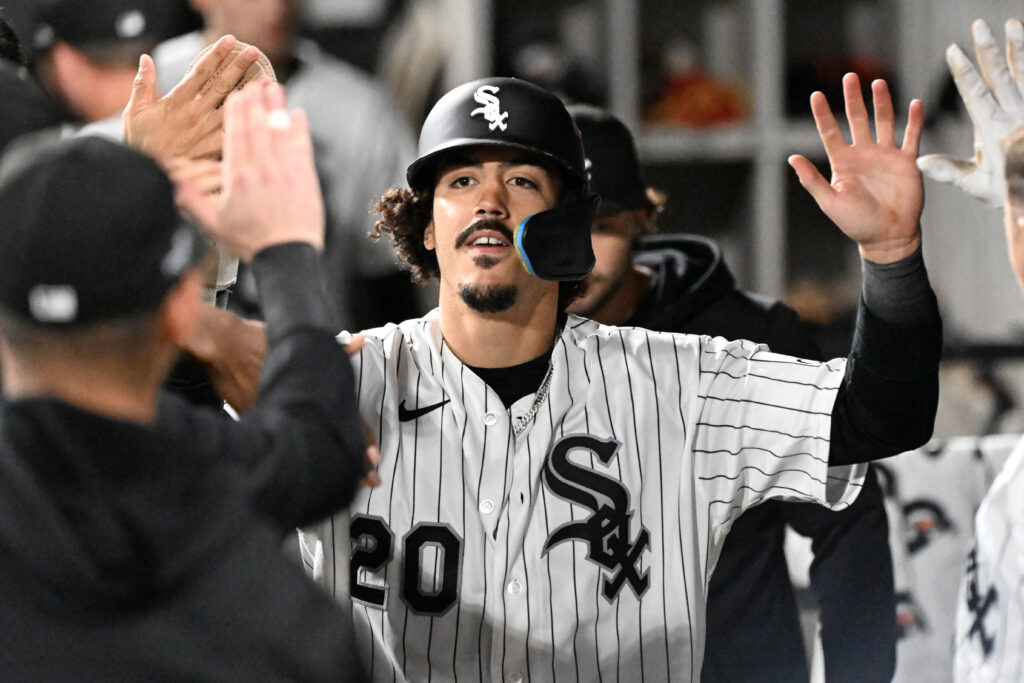
Miguel Vargas Trade Update: White Sox Turnaround Has a New Face
Miguel Vargas is no longer a side note in Chicago. The White Sox have found real value in a player who once looked lost, and that matters in a hurry.
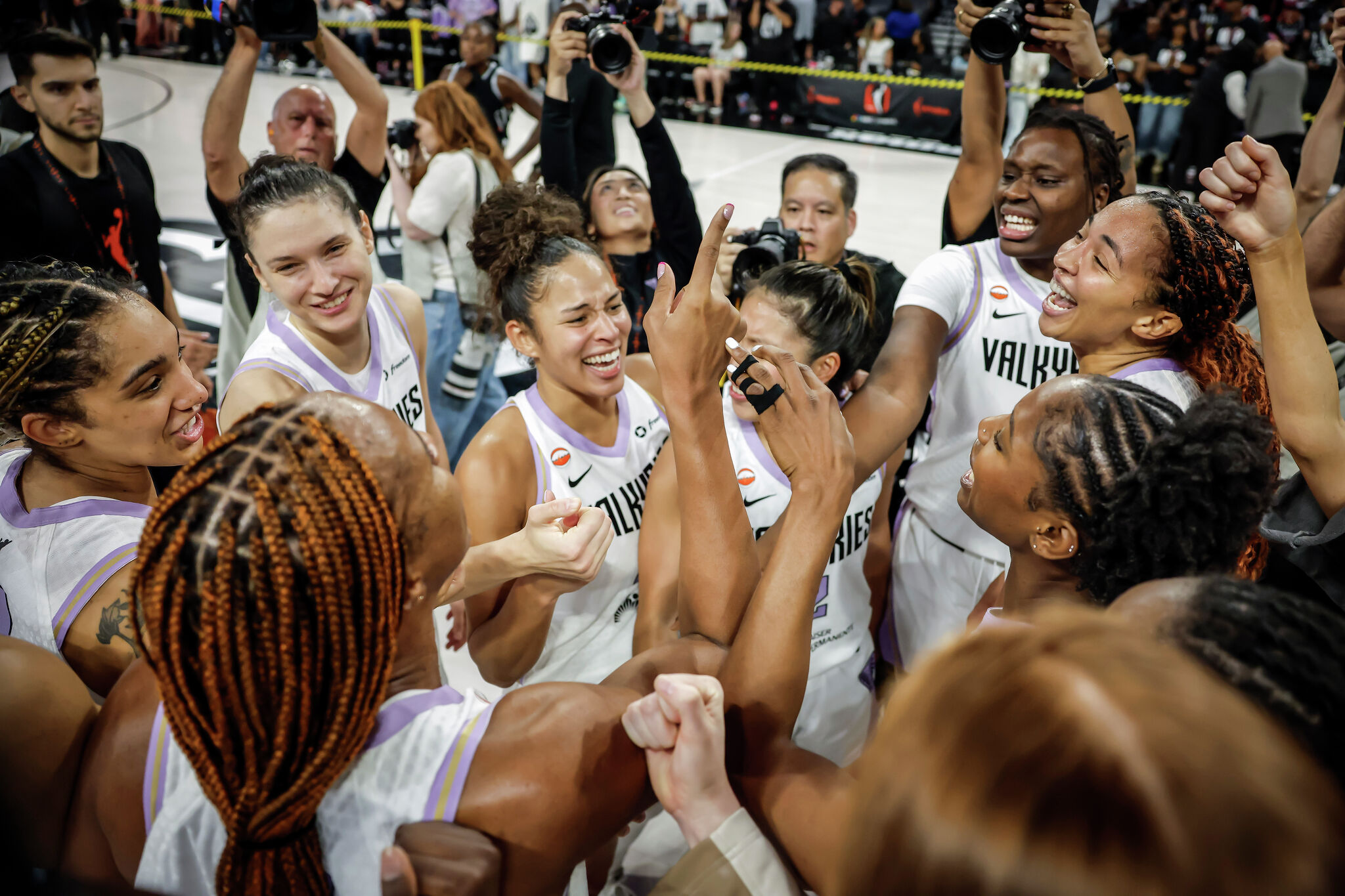
Valkyries vs Aces: Golden State sweeps Las Vegas to reach Finals
Golden State stunned the defending champs with an overtime win in Las Vegas, finishing a three-game sweep and booking its first Finals trip.
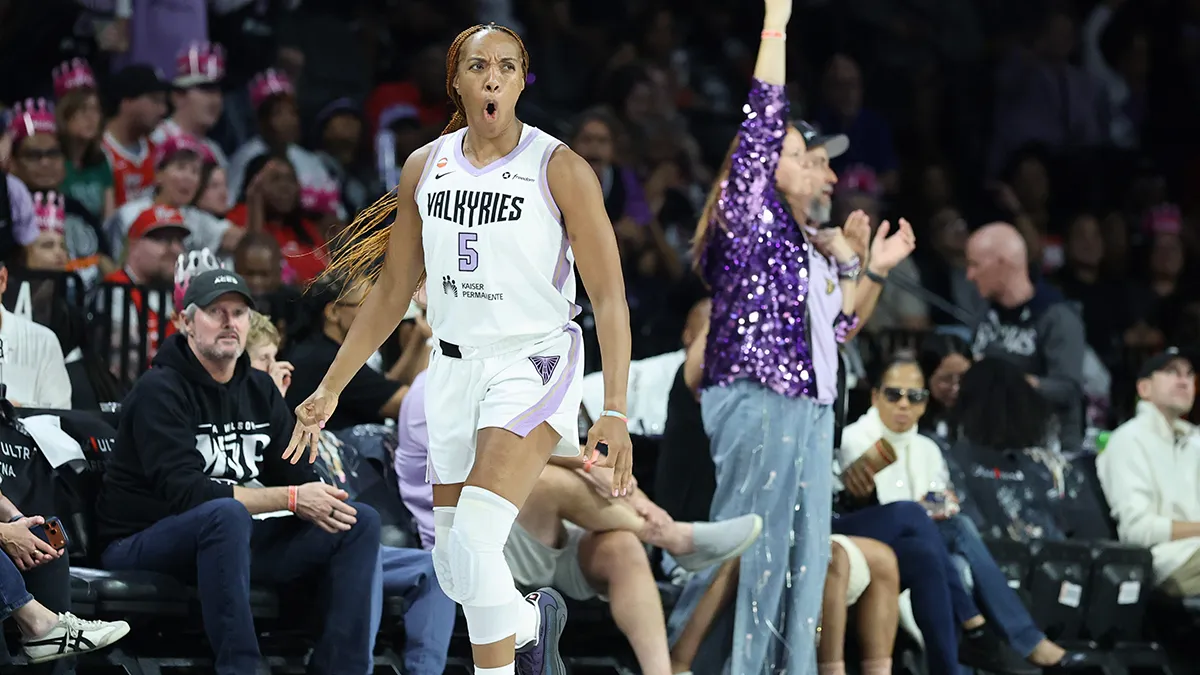
Valkyries vs Aces: Golden State sweeps Las Vegas for Finals berth
The [Golden State Valkyries](https://en.wikipedia.org/wiki/Golden_State_Valkyries) didn’t just make noise — they swept the [Las Vegas Aces](https://en.wikipedia.org/wiki/Las_Vegas_Aces) and marched in