
Miguel Vargas Trade Update: White Sox Turnaround Has a New Face
He nearly walked away from baseball. Now Chicago’s offense has a heartbeat.
 Zane Miller5 min read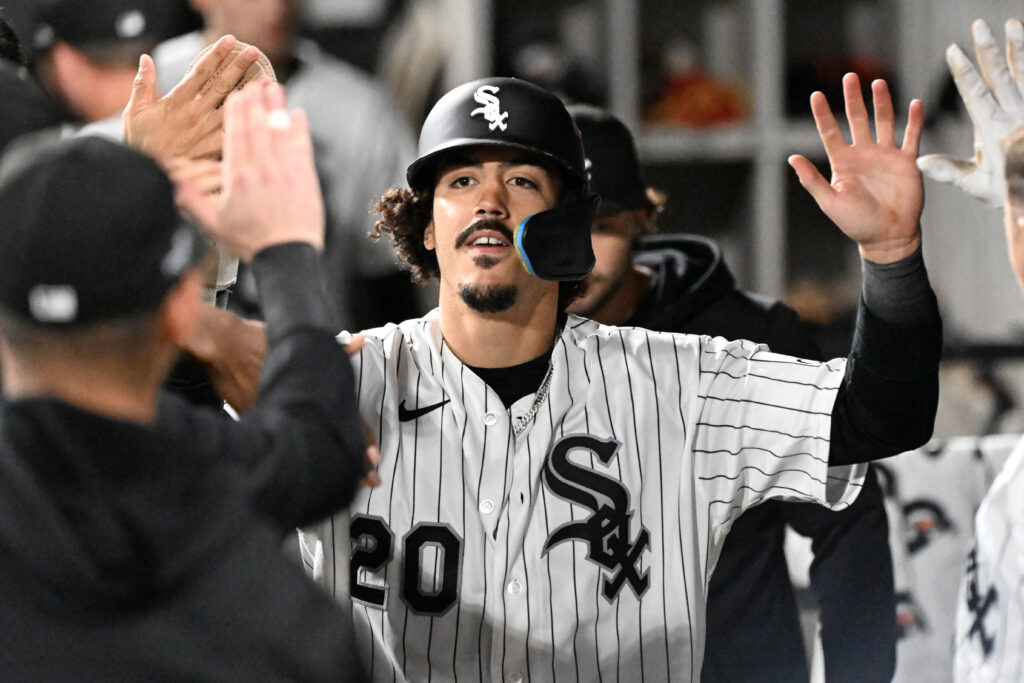
Miguel Vargas went from a player once floating around the edge of the picture to one of the biggest reasons the White Sox offense has life. That alone is a story. The part that really jumps off the page is the other layer: there was a point when he was considering leaving baseball altogether. That’s not just a comeback arc. That’s a full stop, reset, and rebuild.
Chicago has spent years trying to find a usable core without mortgaging the future twice over. Vargas suddenly looks like more than a placeholder at third base. He’s part of the group that pushed this lineup into real territory this season, and with newcomer Munetaka Murakami in the mix, the White Sox found actual thump. Fifth in offense is not a cute little sample-size accident. It suggests there’s something here worth protecting.
Vargas Didn’t Just Stabilize the Hot Corner
The White Sox have been begging for competence at third base for what feels like forever. Vargas giving them that, while also producing at the plate, changes the texture of the roster. Teams don’t win with one good month from a reclamation project. They win when a former prospect stops looking like a question mark and starts looking like a piece.
That’s the hidden value here. Chicago isn’t suddenly a finished product. It doesn’t need to be. It needs incremental wins: a bat that plays, a position that doesn’t bleed runs, and enough confidence to stop cycling through short-term fixes.
Vargas checks those boxes right now. And in a market that has seen too many rebuilds collapse because the young hitters never arrive on time, that matters. A lot.
The Considered-Quitting Detail Changes the Lens
This is what a real organizational bet looks like: not just on talent, but on whether the player can survive the grind long enough to cash it in.
That detail about Vargas nearly walking away from the sport changes how you read the season. It’s easy to talk about launch angle, swing decisions, and projection models. It’s harder to talk about the mental tax that comes with being the guy labeled a future piece and then asked to survive the disappointment that follows when the league punches back.
Baseball is full of players who get typecast early and never crawl out. Vargas is trying to do the opposite. There’s a reason front offices love these stories when they work. The player isn’t just producing; he’s learning how to stay in the fight.
And Chicago needs that kind of resilience. This isn’t the New York Rangers losing a franchise goalie and instantly changing the temperature of the whole room, but it is the same basic truth: one key piece can shift the emotional math fast. The White Sox have been starved for that kind of stability.
Murakami, Vargas, and a Lineup That Suddenly Looks Real
The real reason this matters is the stack effect. One good hitter can be pitched around. Two threats force choices.
Murakami’s arrival gives Chicago a different kind of conversation in the dugout and in the scouting room. Pairing him with Vargas gives the White Sox something they’ve lacked for too long: a middle-of-the-order shape that opponents have to plan for. That doesn’t mean this is suddenly a juggernaut. It means pitchers can’t treat the bottom half of the lineup like a soft landing anymore.
That’s where turnaround teams start to look believable. Not from the standings graphic. From the at-bat sequence. From the way opposing managers burn bullpen pieces earlier than they want to. From the fact that the White Sox are no longer just hoping for a solo homer to get them through nine innings.
If you want the broader context, this is why the best roster stories in baseball usually start with a player people had written off. Brandin Podziemski’s extension in another sport was about paying early for conviction. This feels similar in spirit, if not in mechanism: find the piece before the rest of the league catches on.
What the Front Office Is Really Signaling
There’s also a very front-office thing happening here. When a club that’s been rebuilding keeps a player who looked borderline and keeps giving him meaningful run, it’s saying the internal reports match the box score. That matters more than outside noise.
The Tigers moving on from two trainers in the same division is a reminder that organizations are always auditing themselves, whether it’s health, performance, or development. Chicago’s version of that audit looks different. It’s about identifying which young players can actually be trusted to carry innings, plate appearances, and expectations.
I’d be careful with the urge to turn Vargas into a franchise symbol overnight. That’s how teams get ahead of themselves. But I’m also not interested in treating him like a nice story and moving on. The White Sox need real, bankable offensive pieces. If Vargas is one of them, the rebuild gets less theoretical immediately.
And yes, this is exactly the kind of development that changes how other clubs view a roster too. Trade value, lineup structure, even how aggressively a front office shops the rest of the winter — all of it gets touched when a player like this sticks.
The next test is whether Chicago can keep stacking competent pieces around him. If that happens, Vargas won’t just be part of the turnaround. He’ll be one of the reasons people stop laughing at it.
More from Straight From The Bench
Comments
Join the conversation — sign in to leave a comment.
Sign in to commentRelated Stories

NLCS Game 1: Tarik Skubal vs. Blake Snell sets the tone
Tarik Skubal and Blake Snell lining up for NLCS Game 1 gives the series a straight-line shot of October electricity. The Dodgers and Tigers don’t get many nights like this.
Dodgers-Brewers NLCS: 5 ways this matchup looks different now
The Brewers owned the regular season a year ago and still got swept in the NLCS. This time, the chessboard looks sharper, meaner, and a lot less forgiving.
Jazz Chisholm Jr. Yankees Future: What Staying Means in Free Agency
Jazz Chisholm Jr. wants to remain in pinstripes as free agency approaches. For a Yankees club chasing order after months of turbulence, that desire matters.