
Singapore GP 2026 Qualifying: Winners and losers from pole night
Mercedes came loaded. The Marina Bay wall still made sure nobody got comfortable.
 Zane Miller5 min read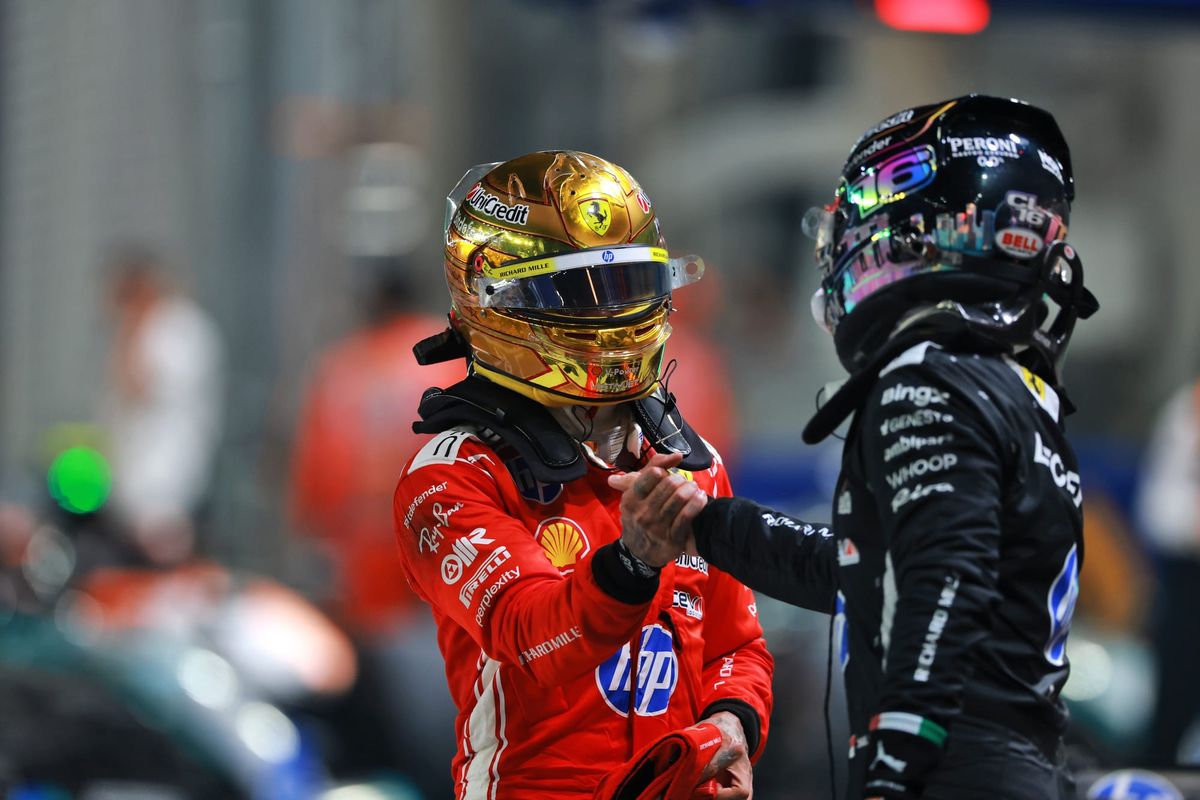
Singapore qualifying does what Singapore always does: it strips the paint off the pretty story and leaves you with the real one. The upgraded machinery was supposed to sharpen the edge, and for some teams it did. For others, Marina Bay turned into a very expensive reminder that downforce on paper is not the same thing as commitment between walls.
Kimi Antonelli and Mercedes left the session in that awkward middle ground so many teams dread here. Better than before? Sure. Fast enough to crash the pole conversation? Not quite. And at a street circuit where every tenth matters and confidence gets punished instantly, “close” is just another word for no cigar.
Mercedes brought the upgrade. Singapore asked for more.
The headline for Mercedes is not disaster. It’s something more annoying: evidence.
The car looked healthier, but the pole fight never really opened for them. That matters because Mercedes have spent too much of this era living in the gap between “promising” and “delivering.” Singapore is one of those places where an upgrade either gives you a clean read or exposes the ceiling. This weekend leaned toward the second option.
Antonelli is still the long-term story, and that’s the point. Young drivers can survive a bad Saturday; what they cannot survive is being placed in a machine that asks them to extract qualifying perfection without giving them enough rear stability to trust the lap. Singapore is brutal that way. The track doesn’t care about development timelines.
The bigger Mercedes read is simple: if the upgraded car is only enough to get you into the discussion, the team still has work to do in the balance window. That is the difference between fighting for poles and fighting for a decent grid slot that keeps the strategy alive on Sunday.
The streets rewarded bravery, not just aero numbers
This grid was always going to punish the teams that showed up expecting the stopwatch to respect their simulator data. Marina Bay is a negotiation. You need mechanical grip, you need front confidence, and you need the kind of driver who can kiss the walls without making contact.
That is why Singapore so often creates chaos among the usual front-runners. It compresses the field and turns tiny setup mistakes into massive ranking swings. If you want the broader context, this was the same sort of qualifying knife fight that has defined so many street-circuit Saturdays across Formula 1.
The winners here were not necessarily the cars with the biggest raw ceiling. They were the ones who stitched the lap together under pressure. The losers? The teams that looked smooth on the long runs but could not unlock the last bit of rotation and confidence when the softs came alive. That’s the old Singapore tax. You pay for hesitation twice.
The mixed-up grid says more than the headline order
This is the kind of qualifying that can fool casual viewers and tell the paddock everything. On the broadcast, it reads like a surprise session. Inside the teams, it reads like a balancing act finally tipping.
Some outfits had enough one-lap pace to matter but not enough margin to breathe. Others may have looked ordinary in the final classification and still walked away knowing Sunday could be better, because Singapore race pace and track position are never perfectly aligned. Strategy can still rescue a difficult Saturday here if the tires behave and the first stint opens up.
That is why the term “winners and losers” is a little slippery at Marina Bay. The real winners are often the teams that understand damage control before the lights go out. The real losers are the ones who spent the whole weekend chasing perfection and got trapped by track position instead.
Singapore does not reward the fastest-looking car. It rewards the one with the least fear in the cockpit.
What this says about the teams chasing momentum
There’s always a temptation after qualifying to overreact. Don’t. But don’t underreact either.
A result like this can change how a garage talks to itself. If a team arrives believing an upgrade has unlocked the next step and then watches the session slip away, the mood shifts fast. Engineers stop asking whether the car is quick and start asking whether it is usable in the conditions that matter most. That is a much harsher conversation.
I’ve said this for years about Singapore: it exposes the difference between speed and confidence better than almost any track on the calendar. The stopwatch is part of the story, but the wall is the real judge. A car can be technically strong and still leave the driver working overtime to keep it in the window. That’s where Saturdays get expensive.
For Mercedes, this is the hard truth: you can’t talk your way into a pole fight on a street circuit. The upgrades have to translate into trust. If they don’t, the gap between the big teams and the rest looks smaller than it really is, because everyone gets squeezed into the same narrow operating range.
Sunday could still scramble the pecking order
The most dangerous thing about Singapore qualifying is how often it tempts people to treat the grid as destiny. It isn’t. Not here.
The opening lap matters. Safety cars matter. Tire life matters. And the teams that looked a step behind on Saturday can still claw back ground if they read the race better than the front row does. That’s why some of the “losers” from qualifying are still very much alive.
The pressure now moves onto the strategists. If they’ve got a driver in traffic, they need a clean plan. If they’ve got a car that was just shy of pole pace, they need to decide whether aggression or patience is the better route into the points. Singapore rarely hands out easy answers.
The grid is set, the talking is over, and the real stress test starts when the lights come on. Marina Bay has a habit of humbling the overconfident and rewarding the precise. That usually means the Saturday story is only half the story — and sometimes not even the most interesting half.
More from Straight From The Bench
Comments
Join the conversation — sign in to leave a comment.
Sign in to commentRelated Stories

UCI Gravel World Championships: Dutch dominance rolls on in mud
A brutal, muddy gravel course and 3,179 meters of climbing still couldn’t pry the rainbow jersey away from the Dutch. Marianne Vos did what Marianne Vos does.
Max Verstappen Yellow Flag Verdict: No Grid Penalty in Singapore
Max Verstappen escaped a grid penalty after stewards reviewed a yellow-flag incident in Singapore sprint qualifying. The ruling keeps the championship pressure intact and the front-row arithmetic unch

F1 Singapore GP Sprint Qualifying: Ferrari, Red Bull and the street-track squeeze
Sprint qualifying at Marina Bay did exactly what this place always does: punish hesitation, amplify braking problems, and make every tiny mistake expensive.