
UCI Gravel World Championships: Dutch dominance rolls on in mud
Vos gets another rainbow jersey as the women’s gravel race turns into a survival test.
 Zane Miller4 min read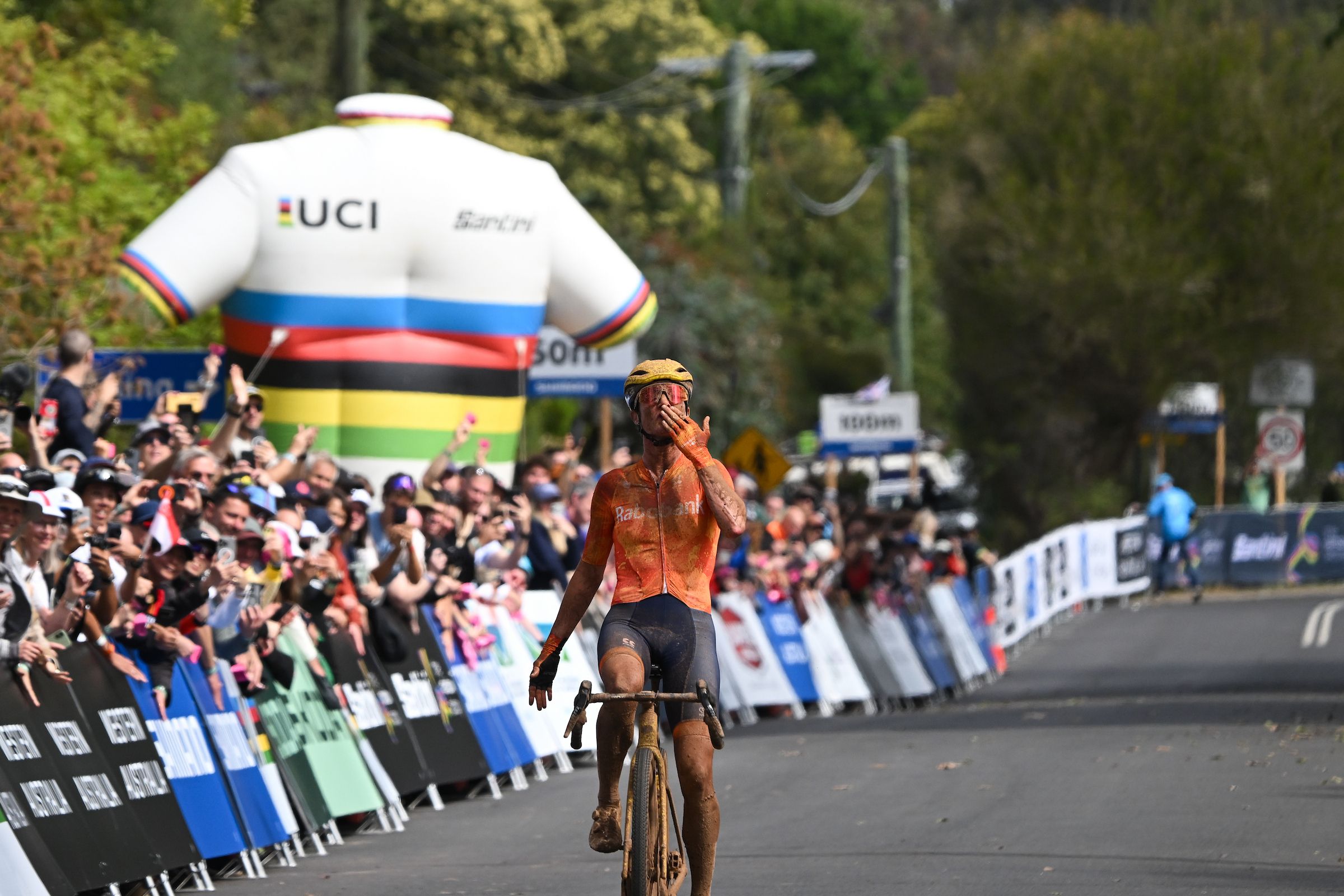
The women’s UCI Gravel World Championships turned into the kind of race that strips away all the noise. No script. No luxury. Just 125.6 kilometers, 3,179 meters of climbing, and an ugly, slippery course where 84% of the day sat on gravel and every corner looked like a trap.
And when the mud settled, the familiar answer was still Dutch.
Marianne Vos, one of the most decorated riders in modern cycling and a permanent headache for anyone trying to beat her on a big day, added another rainbow jersey to the collection. Behind her, Rosa Klöser took second, with Puck Pieterse landing third. If you were looking for a race that rewarded patience, bike handling, nerve and pure repeatable power, this was it. If you were hoping the chaos would level the field, not quite.
A course built to punish hesitation
This was never going to be a clean, tactically polite championship race. The elevation profile alone guaranteed that. Add in mud and gravel that swallowed momentum, and the whole thing became a survival exam. Riders could hide for a while, but they could not hide late.
That matters because gravel racing has sold itself as the great equalizer. Different backgrounds, different equipment, different race craft. But on days like this, the sport still reveals its hierarchy. The strongest engines usually rise. The best decision-makers usually stay upright. And the veterans who know how to read a race before it breaks apart? They tend to collect trophies.
Vos has built a career on exactly that. She doesn’t just race; she solves races.
Vos keeps the rainbow factory running
There’s a reason the Dutch program keeps finding its way to the front in these big one-day test pieces. The system is deep, the talent pipeline is relentless, and the top names are comfortable in races that demand both road power and off-road calm. This is not an accident. It’s the result of a federation and a racing culture that treats versatility like a weapon.
Vos remains the face of that machine. She has the résumé, obviously, but the more interesting part is how she still wins. Not by brute forcing every moment. Not by attacking just to look aggressive. She waits for the race to expose itself. Then she takes the cleanest line while everyone else is wrestling the mud.
That’s the part younger riders have to hate. She doesn’t need the perfect scenario. She just needs the race to get hard enough.
Mud doesn’t create parity. It exposes class.
What Klöser and Pieterse just showed the rest of the field
Second for Klöser matters. Third for Pieterse matters too. In a race like this, the podium is not a participation trophy. It’s proof that the riders behind Vos are close enough to make her work, and smart enough to survive the sections where the race can blow to pieces.
Klöser’s result says more than a line in the standings. It says she navigated a championship-level mess with the composure of someone who belongs in these finales. Pieterse, meanwhile, keeps looking like one of the sport’s most dangerous all-rounders. She can race aggressively enough to threaten, and handle enough to stay alive when conditions go sideways. That combination is why she keeps showing up in conversations like this.
If you’re building toward the next wave of women’s off-road racing, these are the names you circle. The sport is getting faster, more visible, and more crowded with crossover talent. But the podium still tells the truth: upside matters, and so does fluency in the ugly stuff.
The Dutch edge isn’t just talent — it’s infrastructure
Here’s where I’ll step in with the real take. The rest of the field keeps treating Dutch success like some vague national mystique, but it’s much colder than that. It’s selection pressure. It’s racing culture. It’s a system that produces riders who can surf chaos without panic.
I’ve seen this pattern in road racing for years, and now it’s bleeding cleanly into gravel. The Netherlands doesn’t merely produce stars; it produces racers who understand how to win when the course stops behaving. That’s why Vos keeps cashing in on days like this, and why the podium keeps feeling very familiar even when the discipline is still evolving.
The bigger picture is simple: gravel is growing, but the top end is already hardening. The market for elite women’s off-road racing is getting deeper, yet the same names still keep finding the front because the conditions reward race IQ as much as raw fitness. If you can’t read mud, you’re already in trouble.
And if you’re trying to catch the Dutch on a day this hostile, you need more than legs. You need timing, nerve, and a course that stops looking like a Dutch training ground for once.
For everyone else, the warning is clear: Vos is still Vos, and the rainbow jersey still seems to know where home is.
The next big gravel test won’t make that easier. It’ll only make the chasing group hungrier.
More from Straight From The Bench
Comments
Join the conversation — sign in to leave a comment.
Sign in to commentRelated Stories
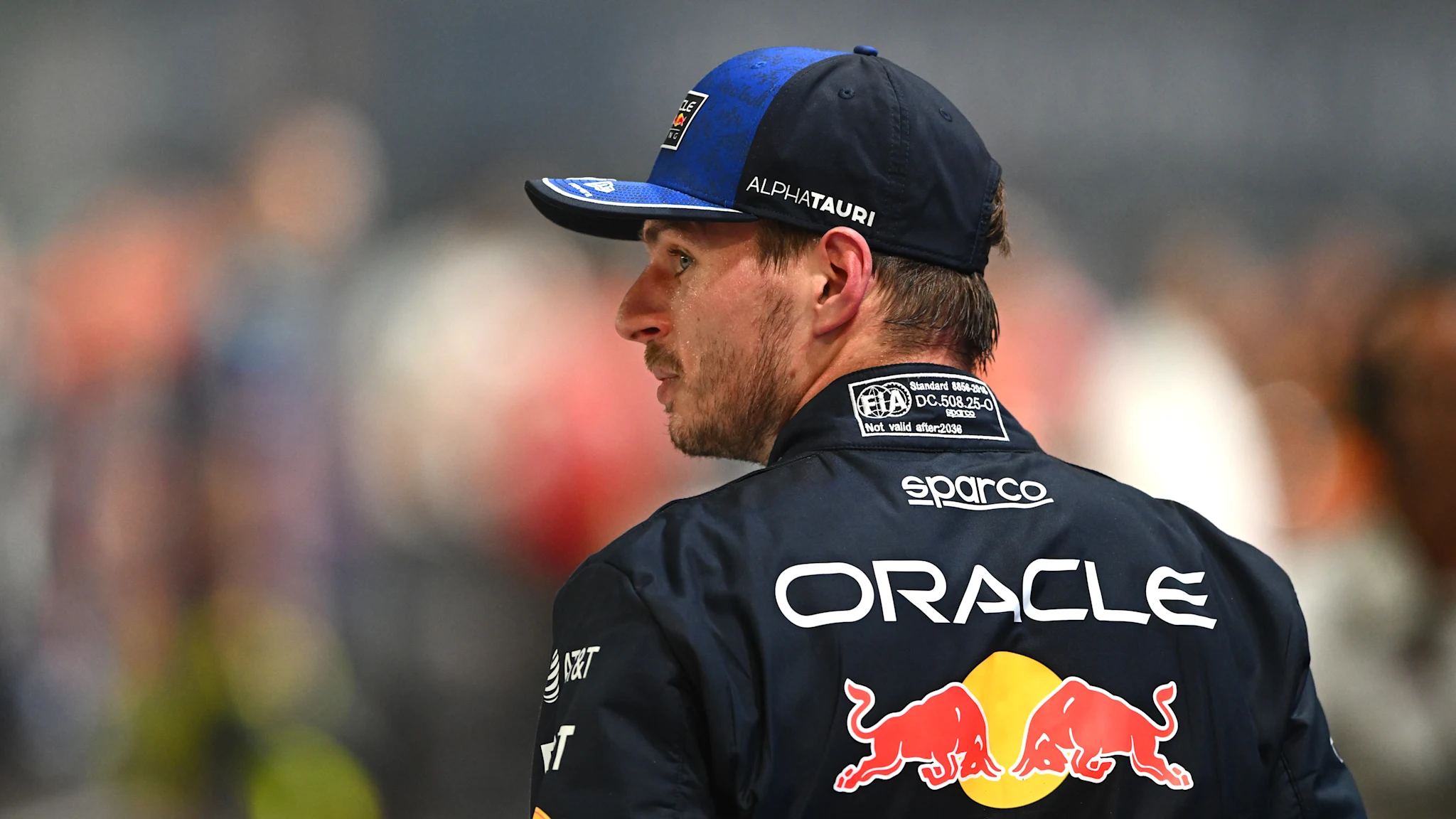
Max Verstappen Yellow Flag Verdict: No Grid Penalty in Singapore
Max Verstappen escaped a grid penalty after stewards reviewed a yellow-flag incident in Singapore sprint qualifying. The ruling keeps the championship pressure intact and the front-row arithmetic unch

F1 Singapore GP Sprint Qualifying: Ferrari, Red Bull and the street-track squeeze
Sprint qualifying at Marina Bay did exactly what this place always does: punish hesitation, amplify braking problems, and make every tiny mistake expensive.

F1 Singapore GP: George Russell Tops FP1, Verstappen Paces Medium Tyres
Russell led the only Singapore practice session, but Verstappen’s medium-tyre pace hinted at the deeper hierarchy beneath the timesheet.