
Dodgers Edwin Díaz Injury Update: Closer Heads to IL
A late-inning certainty just turned into another anxious wait in Los Angeles.
 Beatrice Kensington6 min read
Another crack in the Dodgers’ late-inning armor
The Los Angeles Dodgers have spent the summer collecting talent the way some clubs collect excuses: in bulk, and with enough excess to make the rest of the league wince. Yet even a roster this lavish can look suddenly mortal when the ninth inning loses its anchor. With Edwin Díaz headed to the injured list, the Dodgers are staring at one of those injuries that does not merely remove a name from a lineup card; it rearranges the emotional furniture of a season.
A closer is not just a pitcher. He is a closing argument. He is the sound of a dugout exhaling while the stadium begins to loosen its grip. Strip that away, and every save becomes a small suspense film. The Dodgers can survive that in July. In August, perhaps. By September, with the calendar turning toward October, the cost of instability in the bullpen becomes visible in a way the standings only partially conceal.
Díaz, of course, remains one of the sport’s most electric late-inning arms, a pitcher whose fastball can still feel like a dare and whose slider has the nasty tilt of a locked door. That is why the injury lands with such force. This is not a back-end innings eater or a middle reliever who can be shuffled into the machine without changing the machine. This is the final seal on the envelope.
The news also cuts against the glamorous myth of the superteam. Even the deepest clubs are fragile in very specific places. Ask any manager, and he will tell you the same thing with a straight face: you can never have enough pitching. What he means, usually, is that you can never have enough trustworthy pitching once the leverage climbs and the crowd starts counting pitches in its head.
What Díaz’s absence does to the bullpen math
The immediate consequence is simple enough. The Dodgers lose their most obvious ninth-inning option, and the inning-by-inning hierarchy gets fuzzier. Someone else will inherit the saves, at least temporarily, but temporary is a slippery word in baseball. Bullpen roles are built on habit as much as talent, and once that routine is disturbed, every high-leverage inning becomes a small committee meeting.
That matters because bullpen work is not merely about outs; it is about sequence, rest, and trust. A manager can line up three excellent arms and still find himself in trouble if the seventh inning, the eighth inning, and the matchups inside them begin to leak. One absence forces a chain reaction. The setup man pitches earlier. The multi-inning reliever gets stretched. The middle relief bridge gets walked out farther than it was designed to go.
The Dodgers have earned the benefit of the doubt, and then some. They have more resources than most clubs and more ways to absorb damage. But the postseason has a cruel habit of narrowing the gap between rich and poor organizations. In October, a roster’s margin is only as strong as its weakest late inning. A club can survive an underperforming bat. It can often survive a spot starter. It survives a compromised bullpen with a little less grace.
For fans tracking the broader picture, this fits a familiar and ugly pattern around the league: the best teams are often the ones forced to spend the most emotional energy on simple maintenance. You can find the story of a season not only in the home runs and the headlines, but in the pitcher who is suddenly unavailable for ten days and what that does to a manager’s sleep.
Lose the closer, and you do not just lose the ninth inning. You lose the illusion that a game has a finish line.
The Dodgers’ depth will be tested, not celebrated
There is a temptation, with a roster like this, to treat depth as a permanent state of nature. The Dodgers have long invited that assumption, and for good reason. They have been the sport’s model of redundancy, often carrying enough talent to weather injuries that would sink lesser clubs. But depth is not a force field. It is a cushion. Cushions compress.
This is where the season can become revealing. The Dodgers’ front office has built a machine designed to withstand disruption, and now the machine has to prove it can remain precise without one of its most important gears. That will require not only good arms, but good timing from the manager and restraint from everyone involved. The worst bullpen mistakes are often born from eagerness: a reliever too soon, a matchup ignored, a pitcher asked for one extra hitter because the calendar says he is available.
For a fan base already living with championship expectations, this kind of injury sharpens the anxiety. The Dodgers are not being asked merely to reach October. They are being asked to arrive there with their best version of themselves intact. And in a season full of noise, that is a quiet but unforgiving demand.
I have always believed injuries to elite closers reveal the true temperament of a contender. Some clubs panic. Some improvise badly. The rare ones do neither; they adjust without advertising the adjustment, then walk back into the room as though nothing has changed. Los Angeles has the infrastructure to be that kind of club. Whether it has the patience is another matter. Patience is the hidden luxury in baseball, and it is often the first thing a contender loses when the stakes rise.
That is why this IL move should be read less as a temporary roster note than as a stress test. The Dodgers do not need a sermon on resilience. They need clean innings, sensible usage, and a reliever or two who can convince the rest of the league that the ninth is still guarded.
October is built on what teams survive in August
There is a larger truth here that baseball never tires of teaching: the postseason is usually won long before it starts, in the accumulation of small repairs. Clubs that enter October with their best bullpen pieces rested, aligned, and healthy buy themselves a kind of peace that cannot be measured in the box score. Clubs that spend August and September patching over absences are often forced into choices they would prefer not to make.
The Dodgers remain one of the few organizations capable of absorbing this kind of blow without blinking. But even for them, the loss of Díaz changes the terrain. The road does not disappear. It simply gets steeper.
What comes next will tell us whether Los Angeles is merely deep, or truly durable. That distinction matters. It usually does.
More from Straight From The Bench
Comments
Join the conversation — sign in to leave a comment.
Sign in to commentRelated Stories
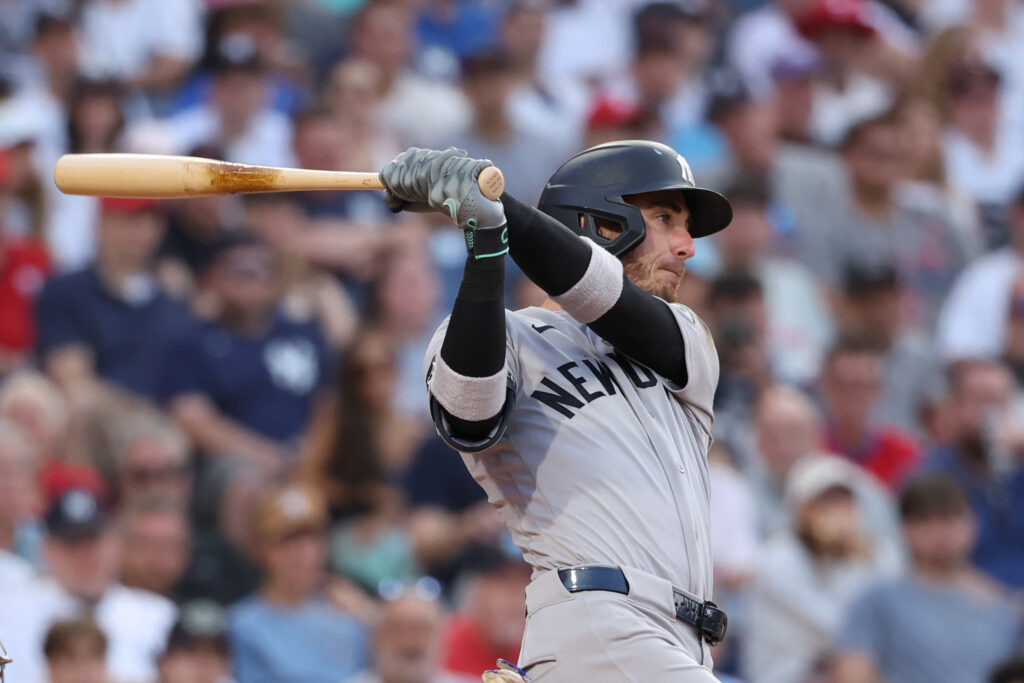
Yankees injury updates: Fried, Bellinger and Judge trending right
Max Fried’s elbow scare didn’t spiral, Cody Bellinger is moving better, and Aaron Judge is still on track. That’s a real win for a Yankees roster built around stars.
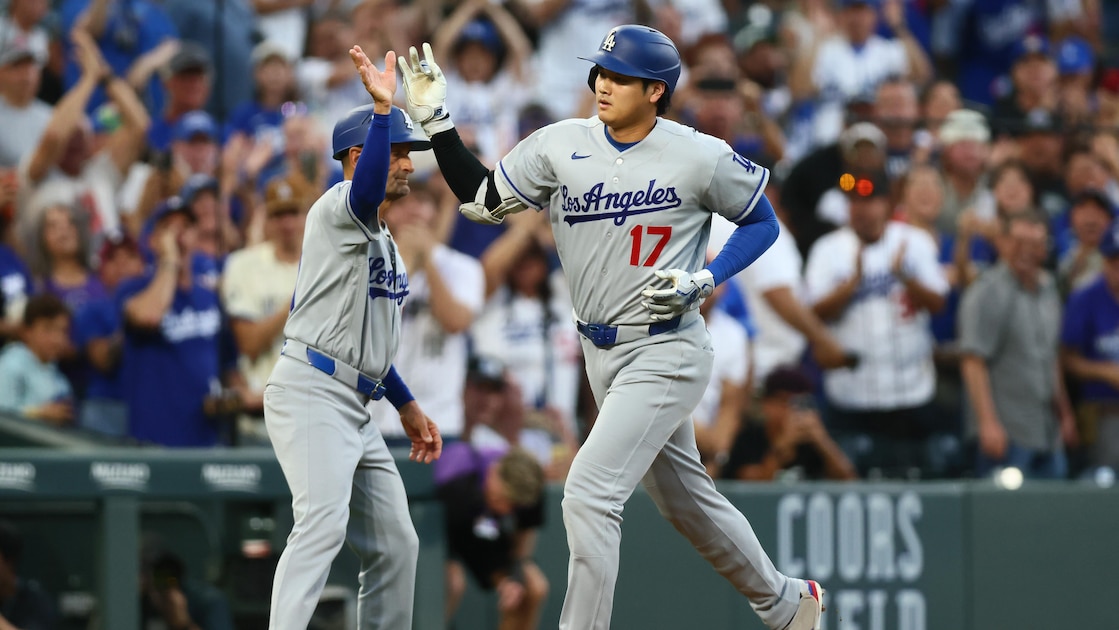
Shohei Ohtani HR Milestone: Dodgers Star Keeps Mashing
Shohei Ohtani added another homer to the pile and reminded everybody he’s still baseball’s strangest luxury. The Dodgers keep living with a player who bends the sport around him.
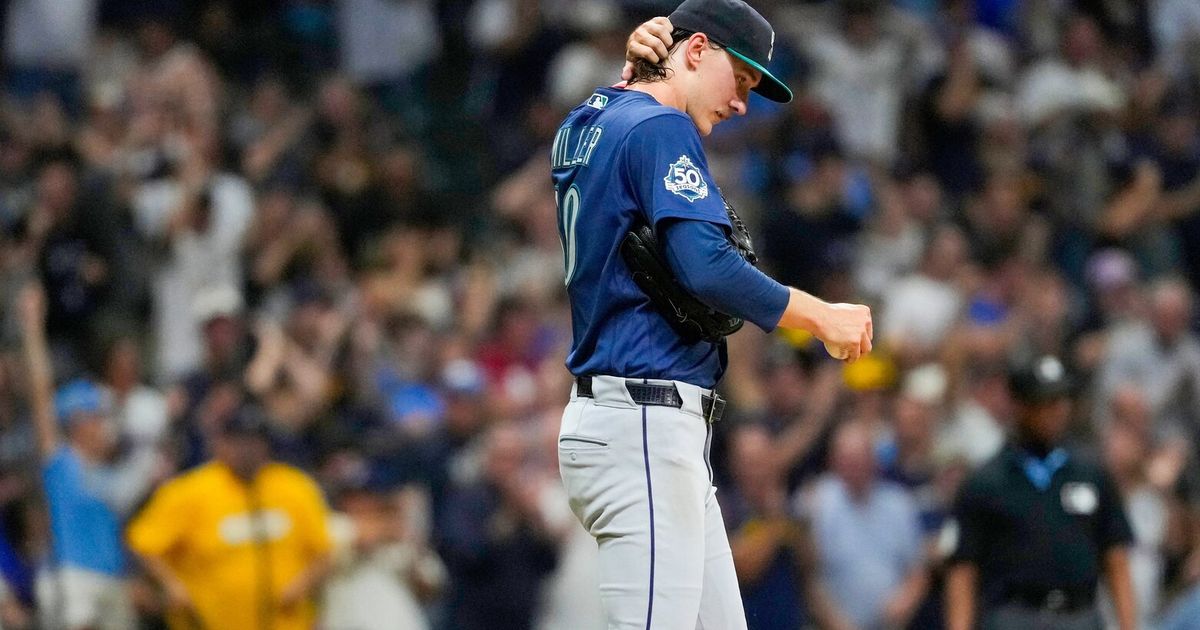
Mariners worst loss in franchise history: 22-0 in Milwaukee
Seattle was flattened 22-0 by Milwaukee, the worst defeat in franchise history. The score tells one story; the silence it leaves behind tells another.