
Mariners worst loss in franchise history: 22-0 in Milwaukee
A night of humiliation that says more than one bad box score ever could.
 Beatrice Kensington7 min read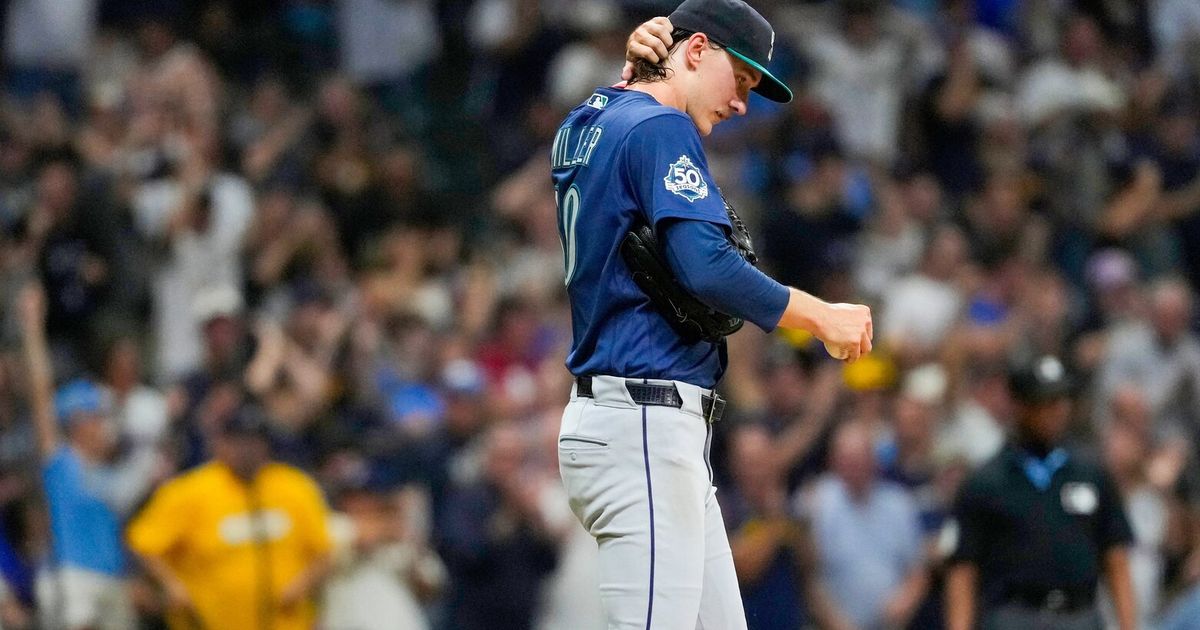
The number sits there like a bruise: 22-0. Not merely a loss, not even a rout in the usual baseball sense, but a full-field surrender, the kind of evening that makes even the clean white lines of a ballpark seem embarrassed to be seen in daylight. On Tuesday in Milwaukee, the Mariners were not just beaten by the Brewers; they were stripped of dignity in public, handed the worst defeat in franchise history and left to explain how a major-league team can look so hollow by the middle innings.
There are blowouts, and then there are games that feel like an indictment. This one belonged to the second category. The Mariners have had seasons of frustration, winter nights of hard questions, stretches where offense comes and goes like a storm over Puget Sound. But a loss this severe is different. It is not the ordinary ache of a bad night. It is a spectacle of collapse, and it lingers because it exposes how thin the margin really is when a club’s pitching falters, its defense frays, and its lineup cannot even manufacture the small consolations that keep a rout from becoming a scene from a different sport.
A humiliation that landed early and never loosened its grip
The warning signs arrived before the game had properly settled into itself. That matters. In a blowout, the emotional weather changes quickly; one crooked inning becomes two, then the field begins to feel tilted. By the time the game reached its later stages, the Mariners were no longer playing to win so much as playing to endure. That is the cruel mathematics of a historic loss. The scoreboard keeps growing long after the contest has stopped feeling competitive.
Milwaukee did what good teams do when the door opens a crack: it stepped through with appetite. And Seattle, which has spent too many seasons trying to prove it is sturdier than its reputation, looked brittle instead. The pitching staff could not arrest the bleeding. The defense could not offer relief. The offense, which has often carried the burden of expectation in a ballpark built for summer hope and autumn anxiety, offered little resistance at all.
A 22-run loss does not merely expose flaws. It magnifies every one of them until they resemble a structural problem.
That is the part Mariners fans will carry home with them, not the arithmetic alone but the sense that the club’s weaknesses can become catastrophic when several of them arrive in the same inning. Baseball allows for many kinds of bad nights. This was the kind that asks whether the roster is balanced enough, resilient enough, and emotionally mature enough to survive the uneven ground of a long season.
What a loss like this does to a clubhouse
No one in a major-league clubhouse needs to be told that Tuesday was ugly. The players know. The coaches know. The travel bags carry the evidence. But the human cost of a loss of this magnitude is less about embarrassment than drag. It can linger into the next day’s pregame work, into the first few at-bats, into the way a pitcher grips the ball when things begin to wobble. Baseball is already a sport of memory and mood; after a game like this, both can become heavier.
The Mariners have to answer a delicate question now: does one catastrophic game become a story about character, or merely a story about variance? The wise answer is that it can be both. A single 22-0 defeat does not redefine a season, but it can reveal how quickly a team unravels when its best traits do not show up on time. That is the sort of thing rivals notice. It is the sort of thing a manager remembers when the schedule turns mean.
For a franchise still trying to build an identity sturdy enough to outlast disappointment, this was a reminder that the league’s long road is unforgiving. The MLB season does not care about reputations. It is not sentimental. It does not pause for your market size, your promise, your past heartbreak, or the neatness of your narrative. It only asks whether you can withstand a bad night without letting it become the shape of your week.
The deeper problem is not the score, but the fragility it revealed
Seattle has spent the better part of recent seasons trying to turn competence into conviction. That is a harder climb than people admit. A team can be decent and still feel unfinished, can collect enough talent to remain relevant without ever becoming the sort of club that absorbs a shock and keeps walking. Blowouts of historic scale often point to that kind of unfinished business. They happen when the front office’s intentions, the manager’s plans, and the on-field execution all arrive in the same city but not at the same address.
There is a larger baseball lesson buried inside the wreckage. In an era when pitching plans are fragile, bullpens are asked to carry too much, and offense can vanish for long stretches even from respectable lineups, one misfired night can become a public autopsy. The Mariners are hardly alone in that reality. But they are the ones sitting with the stain.
I have watched enough long seasons to know how tempting it is to dismiss a result this extreme as a fluke, a baseball oddity, an evening to crumple up and throw away. Sometimes that is exactly right. But the worst losses have a way of telling the truth too loudly to ignore. They reveal the temperature of a clubhouse, the sturdiness of a rotation, the depth of a bench, the limits of a bullpen that looked merely ordinary until it was asked to stop a flood.
This is where the Mariners must choose what kind of team they intend to be. The easy response is indignation. The useful response is memory. Not the kind that breeds panic, but the kind that sharpens standards. Historically, franchises grow not only from triumphs but from the moments that embarrass them into becoming more disciplined, more ruthless, less willing to drift.
If you want the broader texture of Seattle’s season, the club’s injury picture and the strain on its pitching depth have been themes worth watching all along, much like the way Shohei Ohtani’s relentless production keeps reminding the rest of the league how far a transcendent bat can tilt a month. Seattle does not need transcendence on demand. It needs stability. On nights like this, stability looks like a luxury item.
What to watch when the Mariners take the field again
The next game will not erase this one. It will only measure the response. Look first at the pitching assignment and the early innings; after a result like this, the first couple of frames can tell you whether the club is carrying the bruise or beginning to file it away. Then watch the body language in the dugout, the quality of at-bats, the way the Mariners handle the first inconvenience. That is where the aftershocks live.
The Brewers, for their part, should be credited for turning a loose opening into a ruthless afternoon’s worth of damage. Good teams understand that humiliation is often cumulative. They do not settle for a small win when the door to a larger one is open.
For Seattle, the damage is emotional as much as statistical. The standings will survive. The clubhouse will move. But this one will travel with them for a while, the way certain losses do, like a stain you notice every time the light hits it just right.
The only proper answer is the next game. Baseball always offers one. The question is whether the Mariners will meet it with anger, or with resolve that has finally learned how to hold.
More from Straight From The Bench
Comments
Join the conversation — sign in to leave a comment.
Sign in to commentRelated Stories
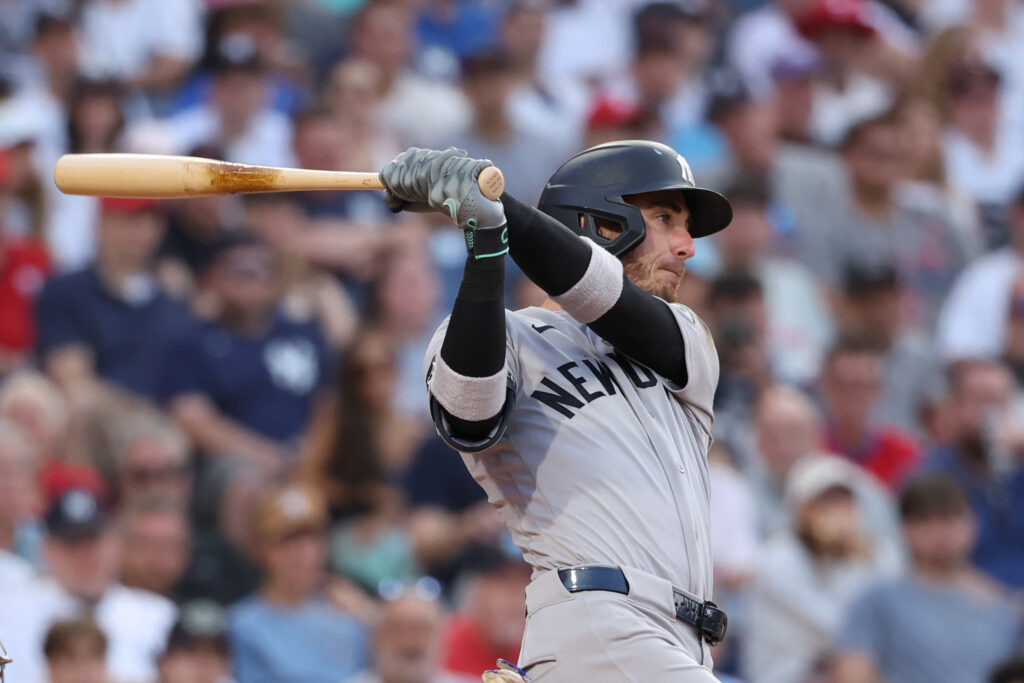
Yankees injury updates: Fried, Bellinger and Judge trending right
Max Fried’s elbow scare didn’t spiral, Cody Bellinger is moving better, and Aaron Judge is still on track. That’s a real win for a Yankees roster built around stars.
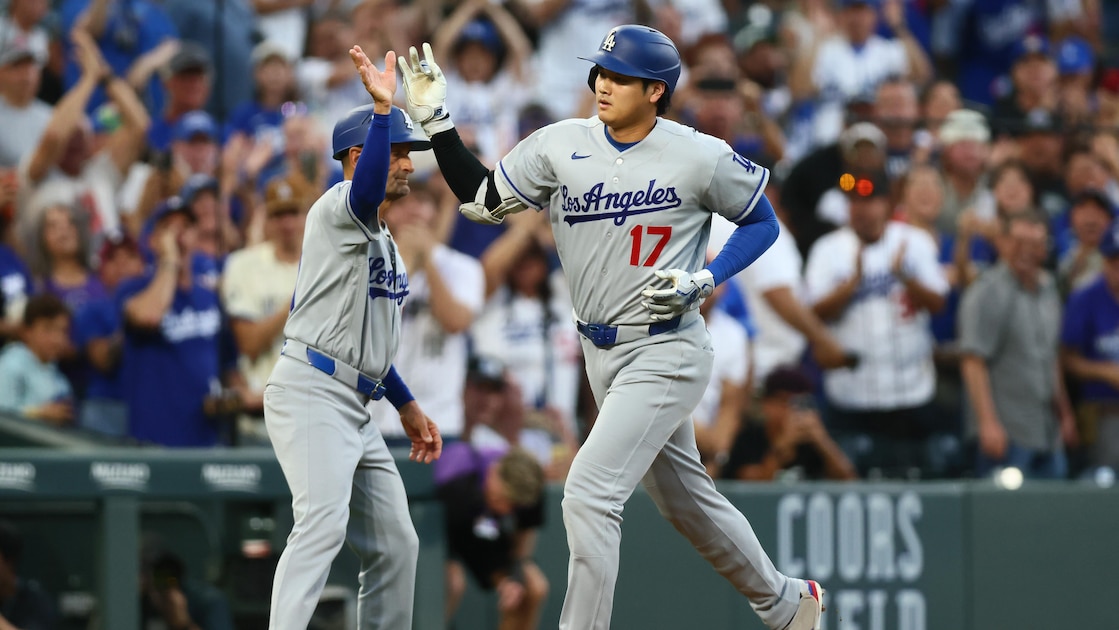
Shohei Ohtani HR Milestone: Dodgers Star Keeps Mashing
Shohei Ohtani added another homer to the pile and reminded everybody he’s still baseball’s strangest luxury. The Dodgers keep living with a player who bends the sport around him.
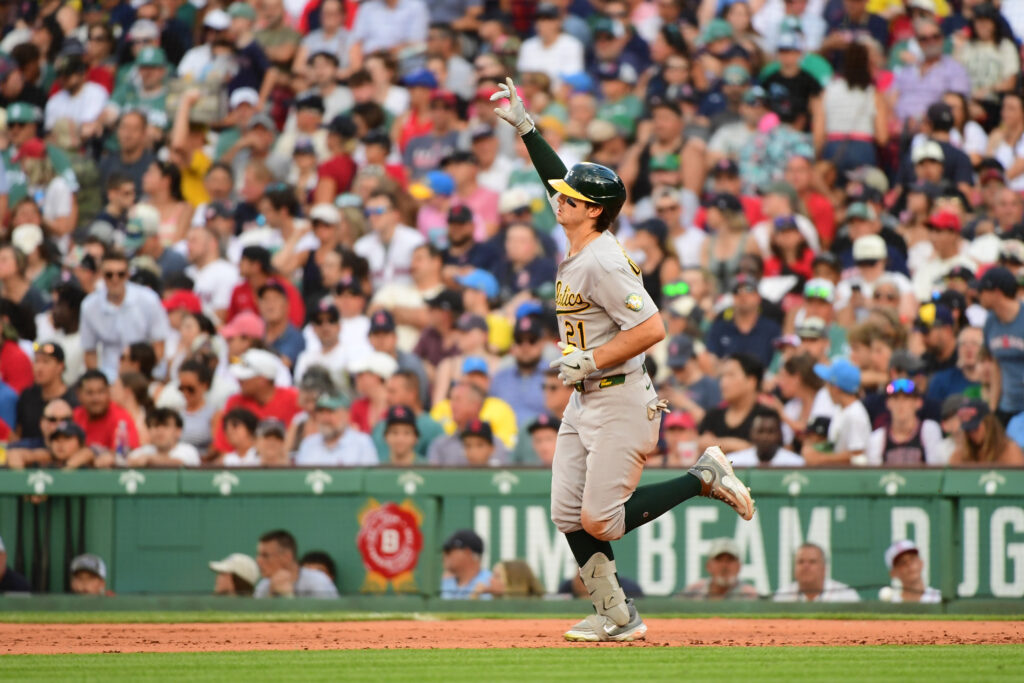
Tyler Soderstrom Hip Surgery: A’s lose season, patience tested
Tyler Soderstrom is done for the year, and the A’s lose more than an outfielder. They lose a rare young hitter who gave the lineup a pulse.