
Dodgers NLCS Deficit: Max Muncy Says L.A. Is Playing Like S--t
The words were blunt. The problem is bigger than the quote.
 Beatrice Kensington5 min read
.png?w=1120&h=630)
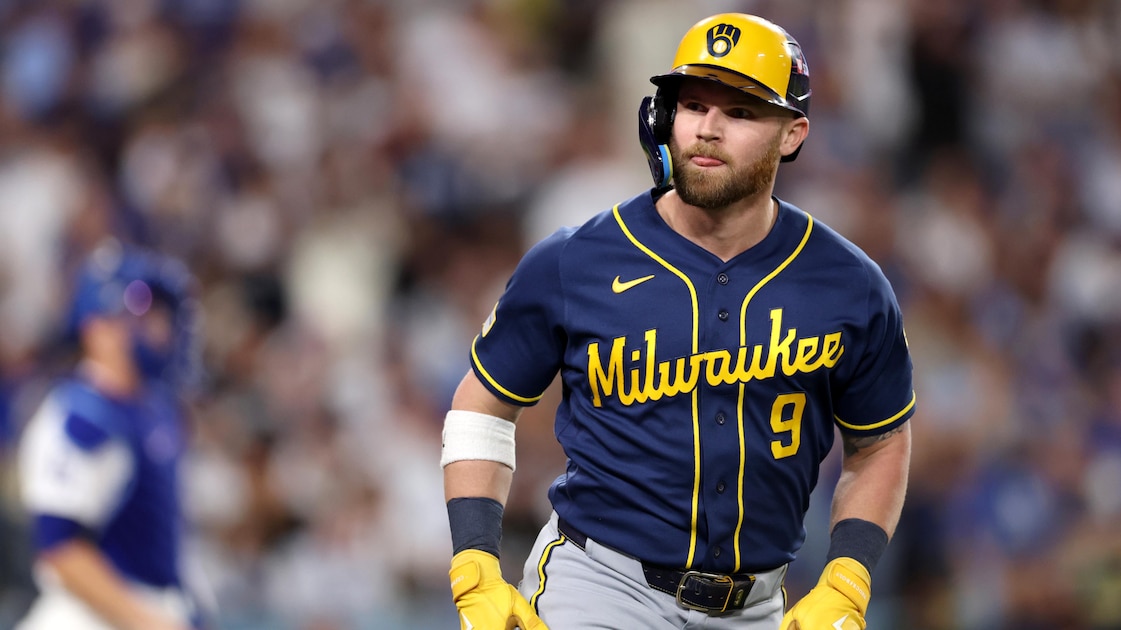
The Los Angeles Dodgers have spent years building an operation that is supposed to absorb pressure, withstand turbulence, and still look polished in October. So when Max Muncy stood in front of the wreckage of a 3-0 National League Championship Series deficit and called things what they are, the ugliness of the moment felt almost cleansing. No varnish. No corporate fog. Just the plain fact that the Dodgers, for all their talent and payroll and pedigree, are being outplayed by the Milwaukee Brewers.
That matters because teams in this position rarely unravel in one dramatic inning. They fray in stages. A missed fastball here, a stranded runner there, a lineup that begins to look less inevitable and more fragile. By the time a club trails 3-0 in a best-of-seven, the issue is no longer only tactical. It becomes psychological, then cultural, then almost architectural. The house still stands, but you can feel the beams groan.
Muncy’s bluntness cuts through the October theater
Muncy has never been the kind of player to wrap a hard truth in velvet. His value, especially in a room full of accomplished veterans, is that he can say what everyone else is trying not to. And what he said — in essence, that the Dodgers are not playing nearly well enough — lands because it is both obvious and necessary.
There is a peculiar kind of dishonesty that creeps into postseason autopsies, especially for clubs with Los Angeles-sized expectations. Everyone searches for nuance where the scoreboard has already supplied the blunt instrument. Sometimes the best thing a team can do is stop pretending the answer is complicated. The Dodgers are down 3-0 because the Brewers have been better, cleaner, and more resilient. They have earned every ounce of leverage.
The Dodgers have often lived on the edge of the elegant lie: that star power alone can smooth the ragged edges of October. It usually cannot. Not against a club that keeps forcing you to play in the shallow end of your own pool.
The Brewers have turned the series into a stress test
Milwaukee has not merely taken games; it has narrowed the Dodgers’ margin for error until it looks almost ornamental. The Brewers have made every inning feel expensive. That is what disciplined postseason baseball does. It removes the illusion of comfort.
For Shohei Ohtani, Mookie Betts, and the rest of a roster built to terrify pitchers in theory, this is the part of October that stings most: when the plan doesn’t fail spectacularly, it simply stops working. The bats go quiet. The count gets deeper. The opponent keeps finding little ways to matter. And suddenly the game no longer belongs to the marquee names. It belongs to the team that can execute one more clean pitch, one more crisp relay, one more patient at-bat.
This is not a talent problem. It is a crisis of timing, nerve, and execution.
That distinction should not be softened. Talent is still present. Plenty of it. But talent in October is only as useful as its ability to arrive on time.
A familiar Dodgers problem, only louder now
I’ve covered enough October baseball to know that the worst losses do not always come with chaos. Sometimes they come with a hush. A club like the Dodgers, who have spent so long carrying the burden of expectations, can begin to sound like a team trying to remember its own accent. Their confidence becomes formal, then cautious, then brittle.
This is where the history of the franchise matters. The Dodgers are never merely playing the next game; they are playing the weight of past Octobers, the public appetite for judgment, the old whispers about whether regular-season dominance can be transmuted into October steel. That burden does not disappear just because a roster is expensive or decorated. If anything, it grows heavier because the expectation of perfection leaves so little room for repair.
I’ve always believed a 3-0 deficit reveals more about a team’s spine than a seven-game series ever can. Not because comebacks are impossible — baseball has a way of embarrassing certainty — but because the response tells you whether the club still believes the next inning belongs to it. The great teams, the truly dangerous ones, do not start sounding philosophical in the face of elimination. They turn feral. They narrow the universe. They stop negotiating with doubt.
The Dodgers still have the personnel to force the question. They do not yet have the evidence they can answer it.
What to watch if Los Angeles tries to bend the series
If there is any route back, it begins with offense that stops waiting to be rescued. The Dodgers cannot keep outsourcing momentum to a late swing. They need traffic on the bases, pressure on Milwaukee’s infield, and the kind of defensive crispness that keeps a game from slipping when every pitch feels like a referendum.
Keep an eye on whether the middle of the order looks impatient or merely overmatched. There is a difference, and postseason series are often decided by which version shows up. Also watch the dugout body language. Baseball is a language of tiny betrayals: the slumped shoulders after a strikeout, the extra time before a fielder retrieves his glove, the silence that settles when a team starts bracing instead of believing.
For readers following the broader October picture, this situation sits alongside the season’s other pressure points — the sort of roster and injury debates that can change a playoff trajectory in a hurry, as seen in our earlier look at the NFL trade deadline market and the way urgency reshapes a contender’s decisions. Different sport, same winter honesty: good teams are judged not by the plan on paper, but by what they do when the script burns.
The Dodgers do not need a speech. They need a run of hard contact, cleaner defense, and a night where the Brewers finally look mortal. Until then, Muncy’s words hang in the air because they fit too well.
One win changes the temperature. Two would make this feel like an argument. Three would turn October from a funeral into a fight.
The next game is not the season. But it is the last place left to prove the season is still alive.
More from Straight From The Bench
Comments
Join the conversation — sign in to leave a comment.
Sign in to commentRelated Stories

Brewers NLCS Game 3: Jake Bauers Puts Milwaukee on the Brink
Jake Bauers turned a tense NLCS into a Brewers surge with one of the franchise’s best at-bats. Milwaukee is one win from the World Series and the pressure is all on L.A.
Brewers NLCS: Small-Market Milwaukee Has the Dodgers on Life Support
Milwaukee has put the Dodgers in a hole by doing the oldest trick in the book: pitching, defense, and nerve. The fancy roster across the aisle is suddenly the one looking mortal.

Brewers NLCS: One Win From First World Series Since 1982
The Brewers are one win from their first World Series trip in more than four decades. In Milwaukee, that means tickets, hope, and a rare chance to touch history.