
Dodgers offseason: $309M move gets tested fast
The stars are here. The early returns are messy.
 Zane Miller5 min read
The Dodgers spent this winter like a franchise trying to buy time itself. They didn’t nibble. They didn’t wait. They pushed the chips in, layered the roster with premium talent, and acted like a club that had already decided the next few Octobers would belong to them.
That’s the luxury of a machine like the Los Angeles Dodgers: when you’re already a contender, you can spend to eliminate weaknesses instead of just patching them. But the early feel around this group is less “superteam locked in” and more “very expensive roster under a microscope.” That’s the part executives hate. When you commit that much money, every wobble gets louder.
The Dodgers didn’t build depth. They bought certainty.
The front office clearly wanted fewer holes and more control over October matchups. That’s the entire play here. Star power matters, but so does removing the ugly innings, the shaky at-bats, the bullpen panic buttons, the spots where a series can slip because one role player forgot how to hit in a high-leverage window.
The Dodgers have been chasing that feeling for years. Even when they’ve had elite regular-season groups, the postseason has a way of stripping down the illusion and forcing you to live with your roster choices. So the offseason shopping spree wasn’t just about talent. It was about insulation. Less dependence on one hot week from a middle-order bat. Less need for the farm system to bail you out by June.
That’s why the temperature around this team changes so fast. When you’re the Dodgers, “good” isn’t enough. “Competitive” isn’t enough. You pay for inevitability, and then the sport reminds you it doesn’t sell that in bulk.
Money buys pressure, not patience
This is the real business side of the story. The Dodgers can absorb payroll pain better than almost anyone in baseball. They can carry big contracts, stack veteran talent, and keep the pipeline moving. That’s the advantage. But the more they spend, the more the roster becomes a referendum.
Fans don’t look at a big-ticket offseason and see process. They see results. Agents see leverage. Rival front offices see a club that has declared it’s in a separate economic class. And when the early returns get bumpy, the conversation turns instantly from “they’re loaded” to “what exactly is missing?”
That shift matters because the market doesn’t stay quiet for long. The MLB season is ruthless that way. A month of noise can reshape the entire narrative around a contender, especially one carrying this much payroll and this much expectation. The Dodgers aren’t being judged like a normal team. They’re being judged like a franchise that chose the expensive path and invited all the receipts.
Rich teams don’t get the benefit of the doubt. They get the bill.
Why the early turbulence matters more here
There’s a psychological layer to this that casual fans miss. A team with this kind of financial muscle should project calm. It should feel inevitable in the clubhouse and irritating to everyone else. When key acquisitions look off even early, it doesn’t just dent the standings. It shakes the illusion that the roster has no weak seams.
And in baseball, weak seams show up everywhere. One lineup spot goes cold and suddenly your run production gets lopsided. One bullpen arm doesn’t settle in and the manager starts burning through matchups. One veteran bat doesn’t click and the entire bench mix gets weird. That’s the danger of adding big names: they don’t just change your lineup card, they change the ecosystem around it.
I keep coming back to this with the Dodgers because they’ve built a model other teams resent and study at the same time. The talent acquisition is elite. The infrastructure is elite. The expectations are elite. But the flaw in a roster this expensive is also obvious: if the imports don’t hit early, the noise is immediate and merciless.
What the rest of the league sees
For everyone else, this is the part that should sting. The Dodgers can make a winter look like a flex even if the early results don’t cooperate. That’s the advantage of operating in a different financial bracket. Teams in smaller lanes don’t get second chances like this. They miss once and spend three years explaining it.
The wider league also knows what this means for trade season and deadline behavior. When a heavyweight starts to blink, the market shifts. If the Dodgers decide they still need a piece, every seller in baseball gets a little more interested in the asking price. If they stabilize, the rest of the National League has to deal with the version of Los Angeles nobody wants: loaded, annoyed, and shopping for one more edge.
I’ve seen enough of these arms races to know the script. A megaspending club never really gets credit for depth unless the pieces fit immediately. If they do, everyone calls it smart aggression. If they don’t, people start using words like “mess” and “overpay” and “pressure cooker.” Same roster. Different mood.
That’s why this story is bigger than one rough stretch or one slow start. It’s about the contract between a franchise and its own expectations. The Dodgers bought the right to demand a championship-level response every night. Now the room has to deliver.
The next stretch will tell us plenty
The numbers on paper still look intimidating, and the talent base is too strong to dismiss. But this is the part where contenders separate from collections of names. The Dodgers don’t need perfect. They need the expensive pieces to start looking worth the invoice.
If that happens, the rest of baseball is back to playing catch-up. If it doesn’t, the chatter around this roster is only going one direction — and it won’t be subtle.
More from Straight From The Bench
Comments
Join the conversation — sign in to leave a comment.
Sign in to commentRelated Stories
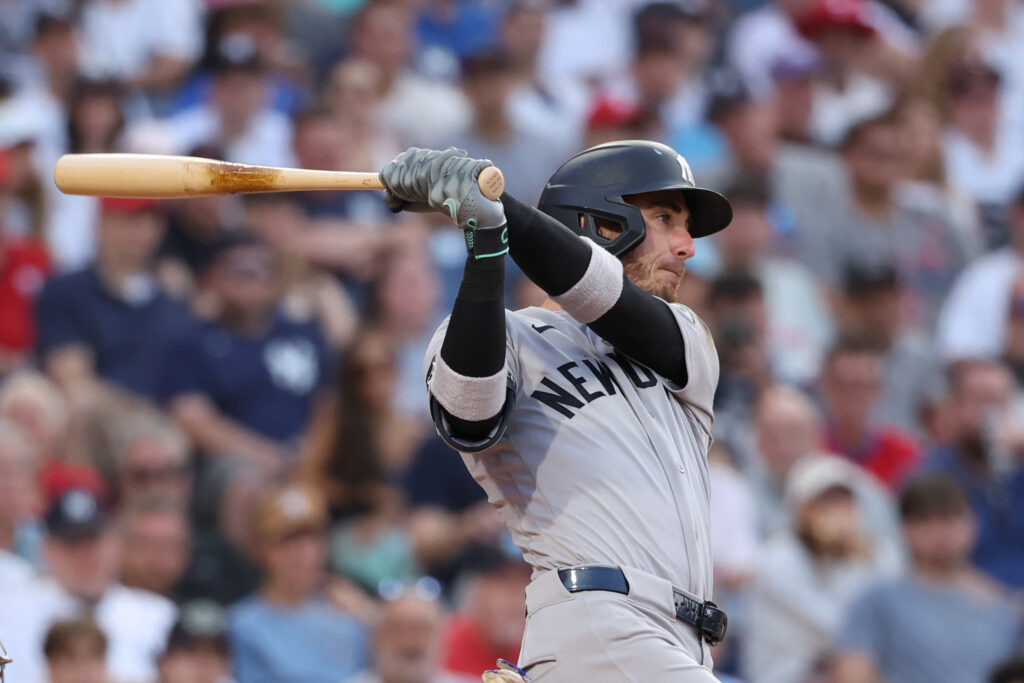
Yankees injury updates: Fried, Bellinger and Judge trending right
Max Fried’s elbow scare didn’t spiral, Cody Bellinger is moving better, and Aaron Judge is still on track. That’s a real win for a Yankees roster built around stars.
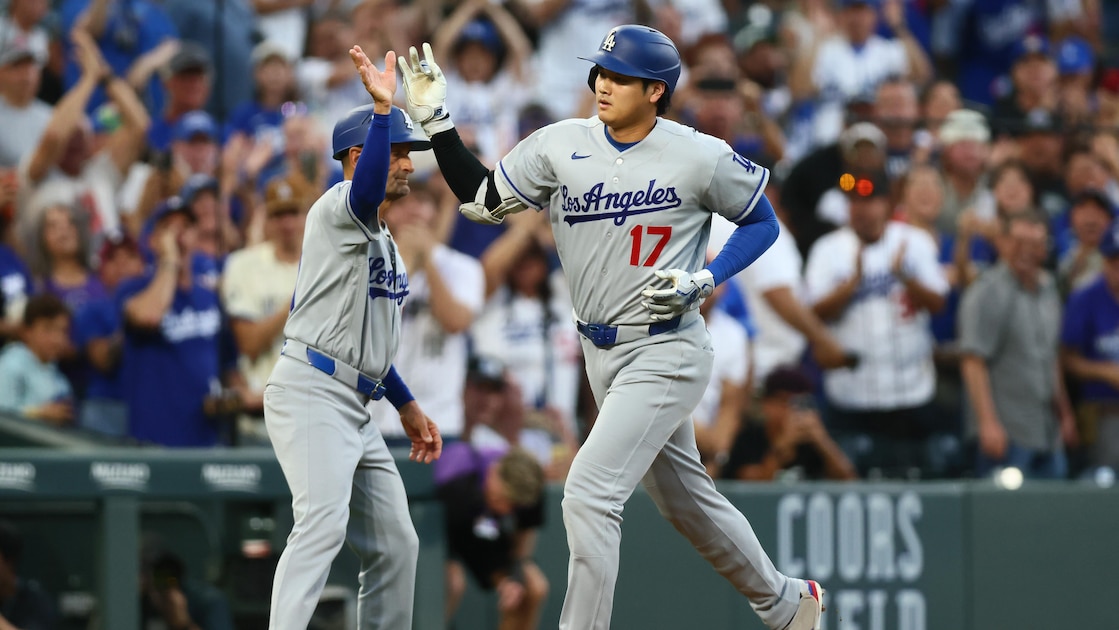
Shohei Ohtani HR Milestone: Dodgers Star Keeps Mashing
Shohei Ohtani added another homer to the pile and reminded everybody he’s still baseball’s strangest luxury. The Dodgers keep living with a player who bends the sport around him.
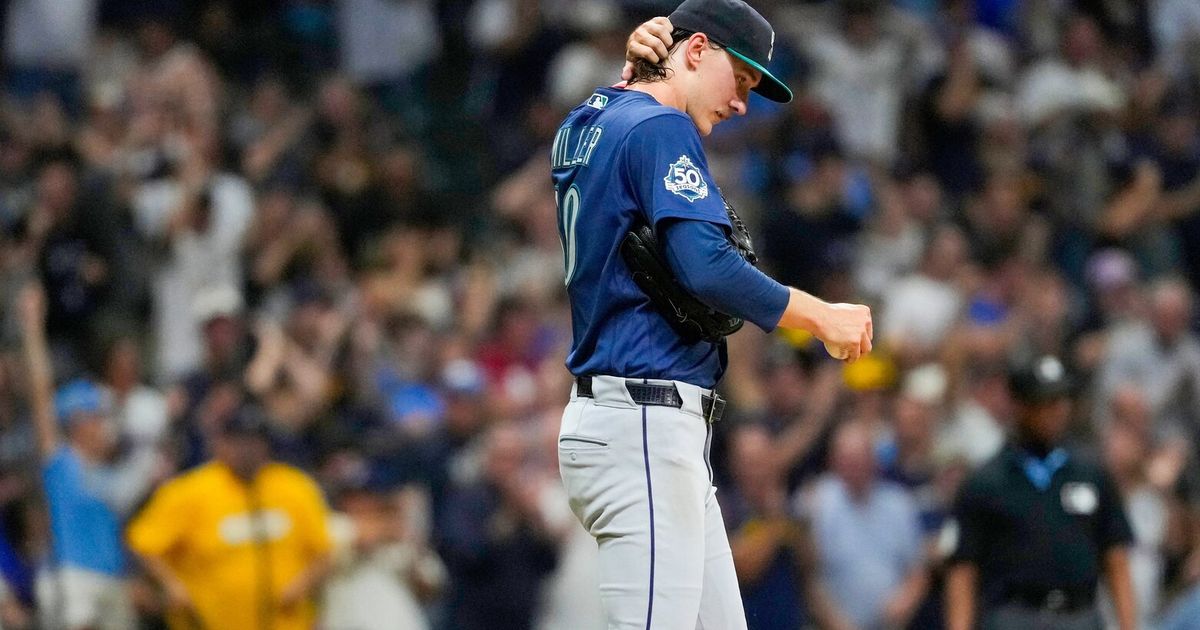
Mariners worst loss in franchise history: 22-0 in Milwaukee
Seattle was flattened 22-0 by Milwaukee, the worst defeat in franchise history. The score tells one story; the silence it leaves behind tells another.