
Dodgers Trade for Tarik Skubal: LA Lands the Ace
The richest roster in baseball just got louder, and the rest of the league heard it.
 Beatrice Kensington6 min read
The deadline’s biggest swing belongs to Los Angeles
The Dodgers have spent years treating the trade deadline like an annex to the winter meetings, a place where depth is bought, luxury is embraced, and anxiety is passed on to everybody else. This time, they did not shop for a useful bat or a middle reliever with a decent slider. They went straight for the headliner: Tarik Skubal, the two-time reigning Cy Young Award winner, the sort of pitcher whose presence changes the shape of a series before the first pitch is thrown.
That is the real news here. Not merely that Los Angeles added talent, which would be routine for this franchise the way rain is routine in Seattle. It is that the Dodgers, already boasting Shohei Ohtani, Mookie Betts, and Yoshinobu Yamamoto, have now layered a front-line ace atop a roster that had no shortage of thunder. Somewhere in the National League, a dozen general managers are staring at their phones with the same expression a man wears when he sees a storm rolling in over a picnic.
What Skubal changes for a team already built to suffocate opponents
Skubal does not merely make the Dodgers better. He makes them colder. Sharper. Less mortal.
There are teams that collect stars and hope the chemistry holds. The Dodgers collect them with the quiet certainty of a dynasty that believes roster construction is a form of weather control. Skubal brings them something even wealthy clubs cannot always buy on demand: the ability to hand the ball to one pitcher and feel the game narrow instantly. In October, that matters. A great lineup can go silent. A great bullpen can melt. A great starter can still, on his best night, drag a series by the collar.
And Skubal is not a decorative star. He is the kind of arm who can turn a tense, late-summer road game into a clean lesson. For a Dodgers club that has lived through postseason heartbreak and the merciless arithmetic of short series, this move speaks to an older anxiety underneath the polished surface. The goal is no longer simply to reach October. The goal is to arrive with no obvious weak seam for an opponent to pry open.
The Dodgers are not chasing the division anymore. They are shopping for inevitability.
Detroit loses more than an ace; it loses a pillar
For the Tigers, this is the kind of departure that hurts in layers. A trade of this magnitude is never just about innings pitched. It is about the face of the rotation, the pitcher fans buy tickets hoping to see every fifth day, the performer who gives a team both credibility and a plan. Skubal had become the kind of player around whom optimism could be organized.
Now Detroit has to reckon with the baseball logic that torments small and mid-market clubs: sometimes your best path forward requires surrendering the very thing that makes the present feel livable. If the return is rich, it may help later. If the return is uneven, the winter becomes a long and resentful one. Either way, there is no denying the emotional cost. Fan bases do not experience deadline deals as balance-sheet transactions. They experience them as weather, as loss, as a door closing with a little too much force.
This is where the Dodgers’ machine and everyone else’s reality collide. Los Angeles can absorb the cost of a blockbuster because its ceiling is already built from surplus. Other clubs have to ask harder questions: Do we trade the star to buy time? Do we hold and hope? Do we admit that a player like Skubal is not just an asset, but a rare civic event?
Why this deal lands harder than the usual deadline theater
Baseball’s trade deadline is often sold as a frenzy of need, but most years it produces only partial solutions. A club grabs a setup man. Another finds a platoon bat. Someone overpays for a left-handed specialist who inherits a couple of tense outs in the sixth inning and disappears into the October fog.
This is not that. This is a direct statement of intent from a franchise that already lives in the sport’s upper tax bracket. If you needed a reminder that the Dodgers view every season as unfinished business, here it is in hard steel and polished brass. They do not merely want to participate in the postseason. They want to dictate its terms.
I have covered enough baseball winters and deadlined summers to know that the richest clubs often expose the sport’s oldest discomfort: the tension between merit and might. Baseball sells itself as a long, democratic grind, 162 games of patience and attrition, a season in which the game’s wisdom eventually evens the field. Then the deadline arrives and reminds everyone that money, scouting, and ambition still have sharp elbows. The Dodgers have every right to make this move. They also know, better than most, that every such acquisition alters not just their own expectations but the league’s emotional weather.
I think this is the deal that makes the 2026 conversation feel older than it should already feel. Not because one pitcher guarantees a parade — baseball has humiliated enough clever plans to preserve that humility — but because Skubal gives the Dodgers a more terrifying kind of margin. It is one thing to have stars. It is another to have stars who can be arranged into a postseason architecture with very few soft spots. That is the luxury that changes how opponents manage their own series, their own pitching, even their own bullpen math weeks in advance.
The ripple effect on the National League arms race
The rest of the National League will now have to answer a question it hoped to postpone: how do you beat a club that can roll out elite pitching, elite power, and the wealth to keep filling any gap that appears? The answer, for most teams, is that you do it the hard way — with health, with depth, with a few well-timed bounces and the brittle hope that baseball’s randomness remains a democratic force.
That is a thin strategy against a team like this. The Dodgers have already made the postseason feel like a contest of attrition against their own depth chart. Adding Skubal raises the bar from difficult to punishing. It also puts pressure on every contender to be honest about its own ceiling. Some clubs can chase. Some clubs can only admire from a distance and tell themselves the math will someday relent.
There is a reason this franchise invites both admiration and exhaustion. It operates with a scale of expectation that turns every acquisition into a referendum on the rest of the sport. But this one feels different because it is so unambiguous. Los Angeles did not merely improve. It imported dominance.
The deadline has spoken, and the message was delivered in a fastball. The Dodgers are not waiting for October to begin acting like October belongs to them.
More from Straight From The Bench
Comments
Join the conversation — sign in to leave a comment.
Sign in to commentRelated Stories
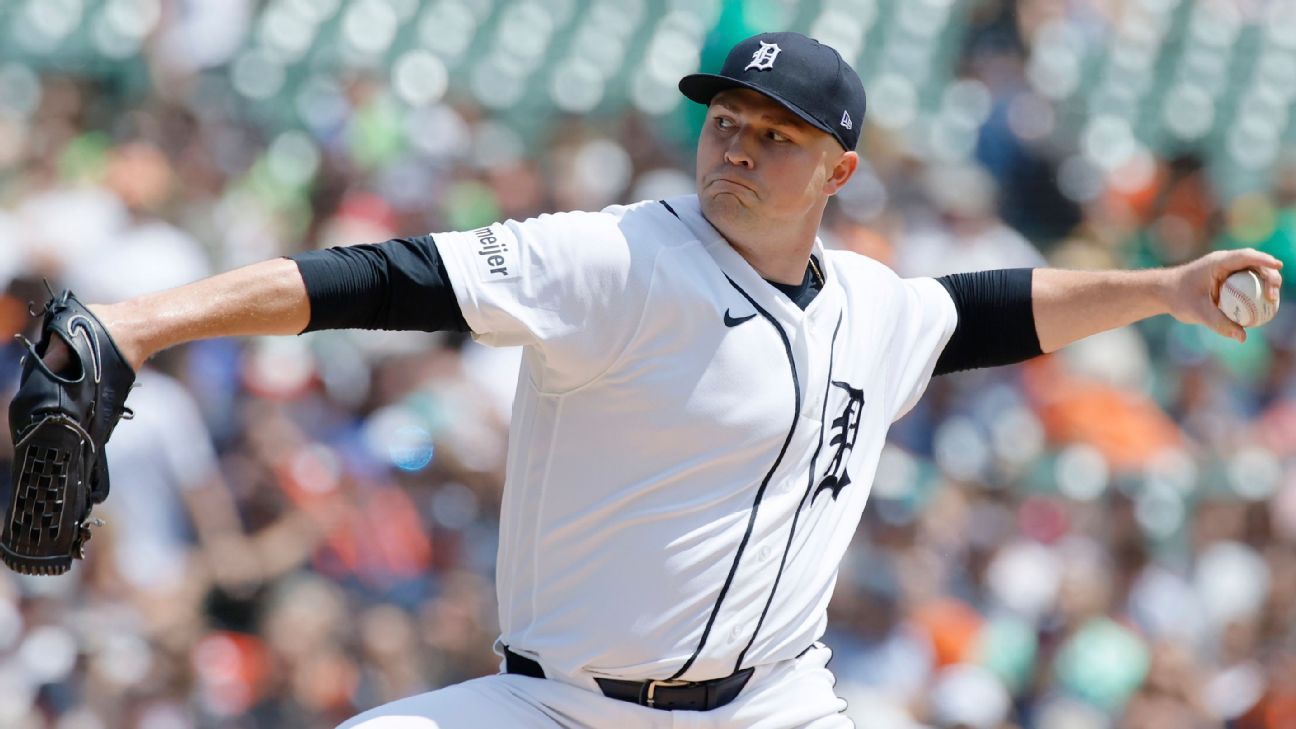
Dodgers Trade for Tarik Skubal: LA Lands the Ace
Los Angeles didn’t shop for a nice-to-have. It went and grabbed a frontline ace in Tarik Skubal, and that changes the whole temperature of October.

Luis Castillo Trade: Mariners Send Ace to White Sox
Luis Castillo is out of Seattle and the Mariners just turned a frontline arm into a three-player package. This one reshapes both rotations and the trade market.
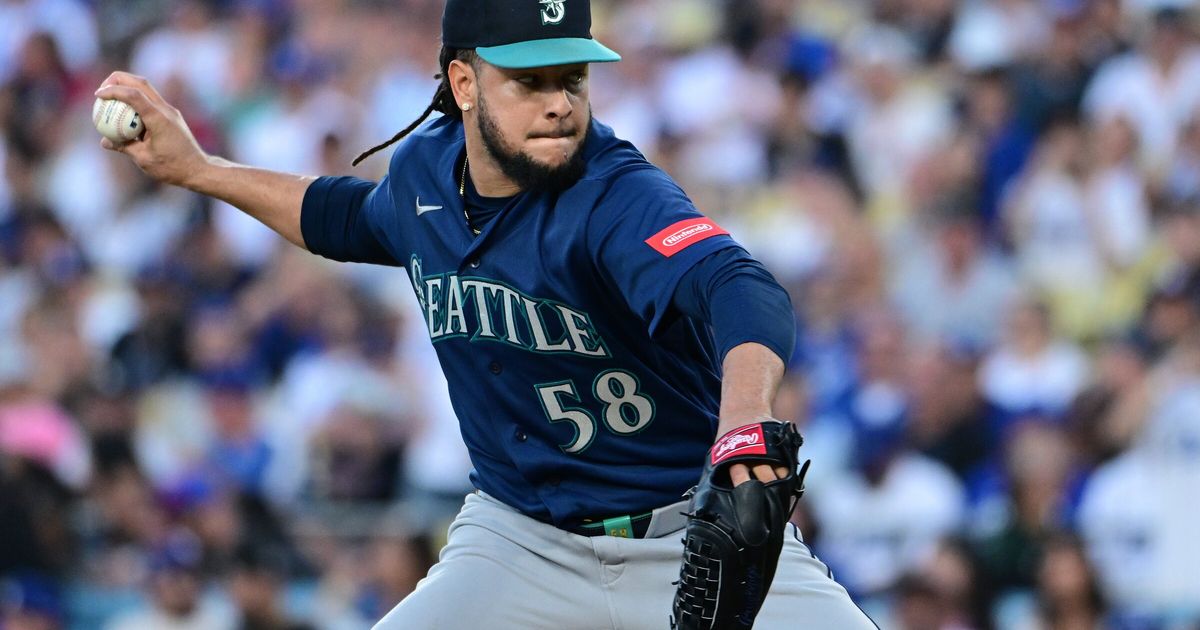
Luis Castillo Trade: Mariners Send Ace to White Sox
Luis Castillo is on the move, and the trade tells you everything about where the Mariners see themselves right now. Chicago gets rotation heft; Seattle chooses the long view.