
Dutch GP Sprint Race: Winners and Losers from F1's Zandvoort
A sleepy sprint, a loud message: F1 keeps dressing up a light meal as steak.
 Leo Lupo6 min read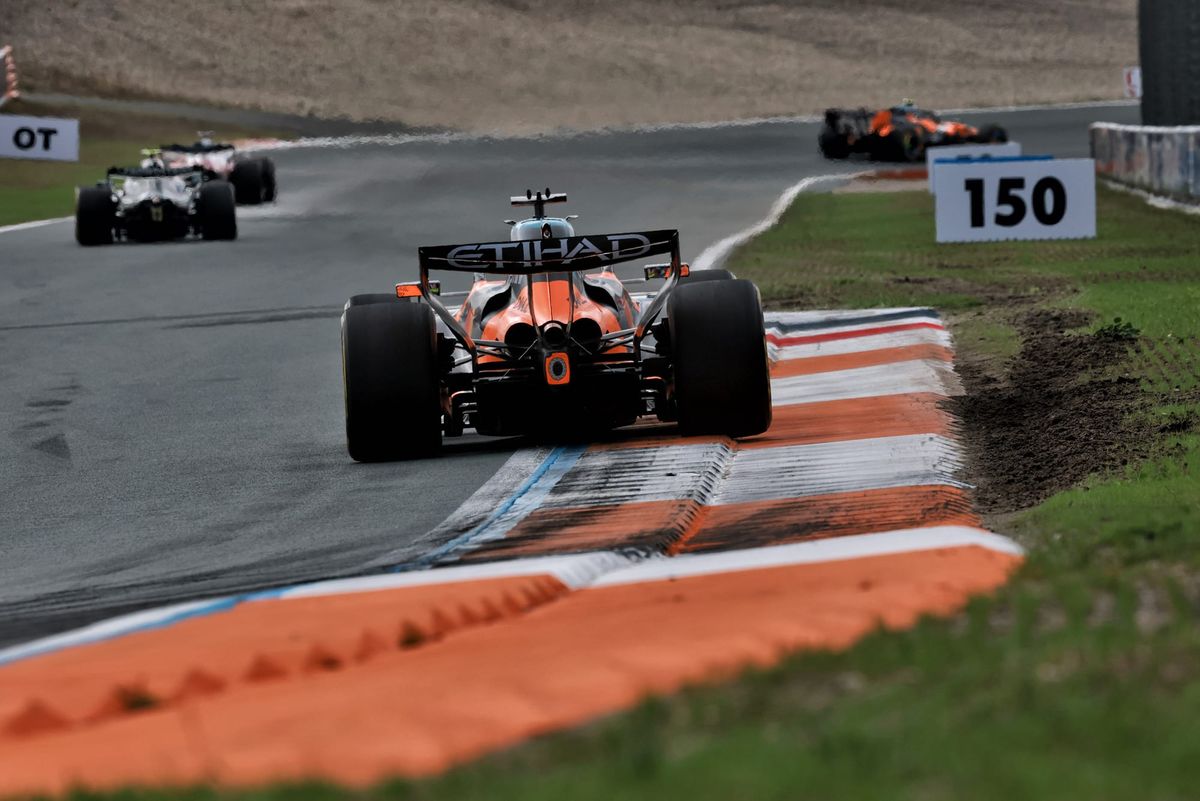
The Dutch Grand Prix sprint race had the sort of pulse only a scheduler with a clipboard could love. Short, tidy, and a touch undercooked. Yet even in a race that barely left a dent in the memory, you could still see the outlines of the day’s winners and losers. That’s the funny thing about Formula 1: give the cars a handful of laps and a narrow track like Circuit Zandvoort, and the usual order still leaks through the cracks.
F1 takes another swing at the sprint format
This was the first and, mercifully for the purists, last sprint race at Zandvoort. The sport keeps trying to make more noise out of less racing, and sometimes it works. Sometimes it doesn’t. Here, it mostly hummed along like a radio in the next apartment.
The sprint format has always had a sales pitch problem. Fans don’t hate extra racing. They hate the feeling they’re being sold reheated leftovers as a special. Zandvoort exposed that again. The track is narrow, the passing lanes are precious, and once the order settled, everybody spent the rest of the afternoon staring at the back of the car in front like commuters on the A10.
F1 keeps asking for more sparkle, then wonders why the simple stuff still works best.
That doesn’t mean the sprint was worthless. It means the lesson was smaller than the hype machine wanted. A sprint at a place like this is a stress test, not a circus act. If your car is sharp, you show it. If it’s twitchy or clumsy on tyres, you get found out quick.
The winners: composure, track position, and clean execution
The real winners were the drivers and teams who treated the thing like a business trip instead of a parade. On a circuit where track position matters more than grand speeches, the sharp operators banked the kind of low-drama result that still matters on a Saturday.
That’s the old F1 truth. Style gets the headlines. Discipline cashes the check.
A driver who can launch well, stay tidy through the banking, and avoid getting bullied into the wrong line is already halfway home at Zandvoort. The sprint wasn’t long enough for heroics to rescue bad planning. It rewarded the teams that came in with the right tire window, the right balance, and a driver who didn’t start overdriving because the cameras were pointed at him.
This is where the sport can still be brutally honest. No amount of pre-race chatter fixes a car that hates the corner entry. No amount of sponsor gloss makes up for a team that misses the setup by two clicks. For the quiet winners, the point was simple: do your job, stack the points, and leave the noise to somebody else.
The losers: the format, the gamblers, and anyone chasing a spectacle
The biggest loser was F1 itself. That’s not a shot at the drivers. It’s a shot at the idea that every session needs to be turned into a trailer.
The sprint was hardly a classic, and the sport can’t keep pretending every new wrinkle is automatically progress. Sometimes a short race gives you tension. Sometimes it gives you a polite procession with fresh paint. Zandvoort leaned hard toward the second one.
That hurts the sell. Fans will tolerate a tactical race if the stakes are clear and the action is real. They’ll even forgive a dull one if it gives them a proper bite at the championship apple. But a sprint with limited passing and limited consequence can feel like a warm-up wearing a fake mustache.
There were losers on the grid too, the usual suspects who found themselves trapped in traffic or unable to make the tires sing. In a short race, one bad restart, one rough lap, one missed window, and you’re done. There’s no time for a patient recovery drive. No time to reset. That’s why these things can expose the soft spots in a team’s race craft so fast it makes your head spin.
For the sport’s broadcasters and promoters, the problem is even larger. They need every extra session to justify itself. Zandvoort didn’t exactly make a hard case for the defense.
What the sprint said about the pecking order
If you wanted a revelation, you came to the wrong seaside town. But if you wanted a reminder of how thin the margins are in modern F1, the sprint did the job.
The front-runners are usually front-runners for a reason. Their cars are stable under pressure, their pit walls think quickly, and their drivers know how to protect a position without setting fire to the tires. That is not glamorous. It is how championships get built.
The midfield, meanwhile, remains the same old knife fight. Good one lap, messy the next. One team nails the opening phase and looks clever. Another gambles and looks foolish. That’s the grind. That’s why a sprint can be more revealing than it looks. The sample is small, but the personality is not.
I’ve watched enough of these things over the years to know the trap. People call a short race “unimportant” because it doesn’t feel like Sunday. That’s lazy. A sprint can still tell you who’s comfortable in dirty air, who’s got a nervous rear end, who makes the right call when the field compresses. It’s just that this one didn’t give the sport much of a payoff for dressing it up.
And that matters. F1 has a habit of confusing volume with value. More sessions, more graphics, more acronyms, more talk. Fine. But if the racing itself doesn’t breathe, all the packaging in the world won’t save it. I’m old enough to remember when the only thing a fan asked for was a fast car and a chance to beat the other guy straight up. Fancy new wrinkles don’t change that.
The teams that understood that today walked away with something useful. The ones that chased noise got a lesson in humility.
One last Dutch lesson before Sunday
The sprint race won’t live long in the memory, and maybe that’s the best argument for keeping expectations in line. Zandvoort gave us a few names to file under winners and losers, but the bigger story was the sport itself still trying to convince everyone that extra structure automatically means extra drama.
Sunday will sort the serious business. The sprint just reminded us which teams arrived ready and which ones arrived dressed for a press release.
For more on how the weekend chatter keeps turning on a dime, check the recent preseason form style of race-week swings in our NFL preseason notebook and the way young drivers can flip the mood in a hurry, like Kade Anderson’s MLB debut changed the conversation for a club. Different sports, same old rule: show up sharp, or somebody else gets the headline.
Sunday’s grand prix ought to tell the real story. The sprint only cleared its throat.
More from Straight From The Bench
Comments
Join the conversation — sign in to leave a comment.
Sign in to commentRelated Stories

IndyCar Washington Race: Power, Money and Political Influence
Washington’s IndyCar stop is doing more than selling speed. It’s exposing how close politics, money and motorsports can run when the paddock gets premium access.

Freedom 250 Grand Prix D.C. circuit map: what to expect
Washington gets one more high-speed postcard. The Freedom 250 turns the National Mall into a temporary racetrack, and then the city gets its streets back.
Vuelta a España Stage 1 Time Trial: Monaco Start Times Set
The Vuelta opens with a Monaco time trial that should sort the tourists from the threats. Primož Roglič rolls off late, and the GC parking spots are already getting claimed.