
IndyCar Washington Race: Power, Money and Political Influence
A weekend race with a paddock full of donors, operators and quiet agendas.
 Zane Miller6 min read
Washington’s IndyCar event is supposed to be about lap times, tire wear and who can find grip when the track gets greasy. Instead, it’s also a clean look at how power travels in this country: through sponsorships, access, donor circles and the kind of relationships that never make the broadcast booth. This weekend has the feel of a showcase, but the subtext is much bigger than the racing.
The event sits right in the middle of a modern sports truth executives know well: if you can get your brand into the right room, you are not just buying signage, you are buying influence. IndyCar has always lived in that space a little more openly than other leagues. The paddock is intimate. The hospitality tents matter. The people shaking hands behind the garages often have more leverage than the people on the mic. That’s why this race has become such a sharp window into how the private sector and government can blur together without ever needing to say the quiet part out loud.
The paddock is where the real business happens
Fans see the car, the helmet, the podium. Sponsors see a room full of decision-makers.
That is the basic engine here. IndyCar has long been a sport built on relationships as much as speed. Team owners need money. Sponsors need visibility. Politicians and donors need environments where everyone can look relaxed while talking strategy. Add Washington to the calendar and the whole thing gets a little sharper, a little more obvious.
This is why events like this draw scrutiny. Not because racing itself is suspect. Because the ecosystem around it is designed for access. The same hospitality model that helps a team sell a package to a corporate partner also helps create a polished, private lane for influence. It’s not hard to see why watchdogs perk up when that lane runs near federal power.
And yes, this is bigger than one weekend. Motorsport is one of the last major sports where the sponsor list still reads like a cross-section of the economy — energy, finance, manufacturing, logistics. That makes every race a live case study in who wants in, who gets in, and who gets to stand closest to the finish line when the cameras are off.
Why this race lands differently in Washington
Washington is not just another market. It’s where perception gets converted into leverage.
A race event in the capital region naturally pulls in people who know how the system works. That includes executives, lobbyists, donors, contractors and plenty of others who understand that sports can be a very efficient way to build familiarity. It’s the same playbook that has made major events valuable from Formula 1 weekends to big league championship gatherings, except here the politics are not incidental. They’re part of the scenery.
The uncomfortable part is how normal all of this looks. A sponsor’s logo on a car is one thing. A sponsor’s executive in the same orbit as federal decision-makers is another. The line between brand activation and soft power has gotten thinner for years, and motorsport lives right on that seam. If you run a team, you know it. If you sell into the sport, you know it. If you work the policy side, you definitely know it.
In motorsport, the race can be the least political part of the day.
That’s the part worth sitting with. The sport itself is not the scandal. The ecosystem is the story.
The sponsor game is bigger than the scoreboard
One of the reasons IndyCar keeps attracting this kind of discussion is that the money trail is visible if you know where to look. Teams don’t hide the fact that their economics are fragile. They need partners. They need recurring dollars. They need people willing to spend on an experience, not just a shirt or a TV spot.
That creates a market where major companies can gain disproportionate visibility for relatively targeted spend. It also means the paddock can become a magnet for organizations that want to be adjacent to power, not just to fans. That’s not unique to IndyCar, but it’s more naked here because the sport sells proximity so effectively.
For Washington, D.C., the event is an easy fit and an uneasy one at the same time. Easy, because the city is built on events, access and image management. Uneasy, because any time sports money overlaps with government attention, people start asking who is getting what in return. Those questions are not going away, especially in an era when donors, brands and political operators move through the same circles with almost no friction.
What it means for IndyCar’s bigger picture
Here’s my read: IndyCar does not need to apologize for being a business. It needs to be honest about being one.
I’ve covered enough of these spaces to know the same pattern shows up over and over. The sport wants the prestige of big-time national relevance, but the financial backbone is still built on relationships that can look awfully cozy from the outside. That tension is not a bug. It is the model. And right now, model matters more than optics, because optics without transparency eventually turn into suspicion.
The league’s challenge is simple to describe and hard to solve. Keep attracting the money. Keep the event polished. Keep the teams afloat. But don’t let the credibility cost outrun the value of the spectacle. That balance is tougher in motorsport than almost anywhere else because the sport is so dependent on sponsor ecosystems and corporate hospitality. It lives in the gray zone by design.
This is why the weekend matters beyond the track. It is a reminder that sports can serve as a bridge between capital and influence without ever calling itself a bridge. The people inside know it. The people writing the checks know it. The fans mostly just want a good race, which is fair. But the modern sports economy doesn’t stop at the grandstand, and Washington is the kind of place that makes the whole arrangement impossible to ignore.
The next few days will tell us whether this race stays a racing story or becomes a larger conversation about who gets to stand nearest the finish line when power is in the air. My guess: the paddock keeps talking long after the checkered flag falls.
If you want the clean version, watch the lap charts. If you want the real one, watch the guest list.
More from Straight From The Bench
Comments
Join the conversation — sign in to leave a comment.
Sign in to commentRelated Stories
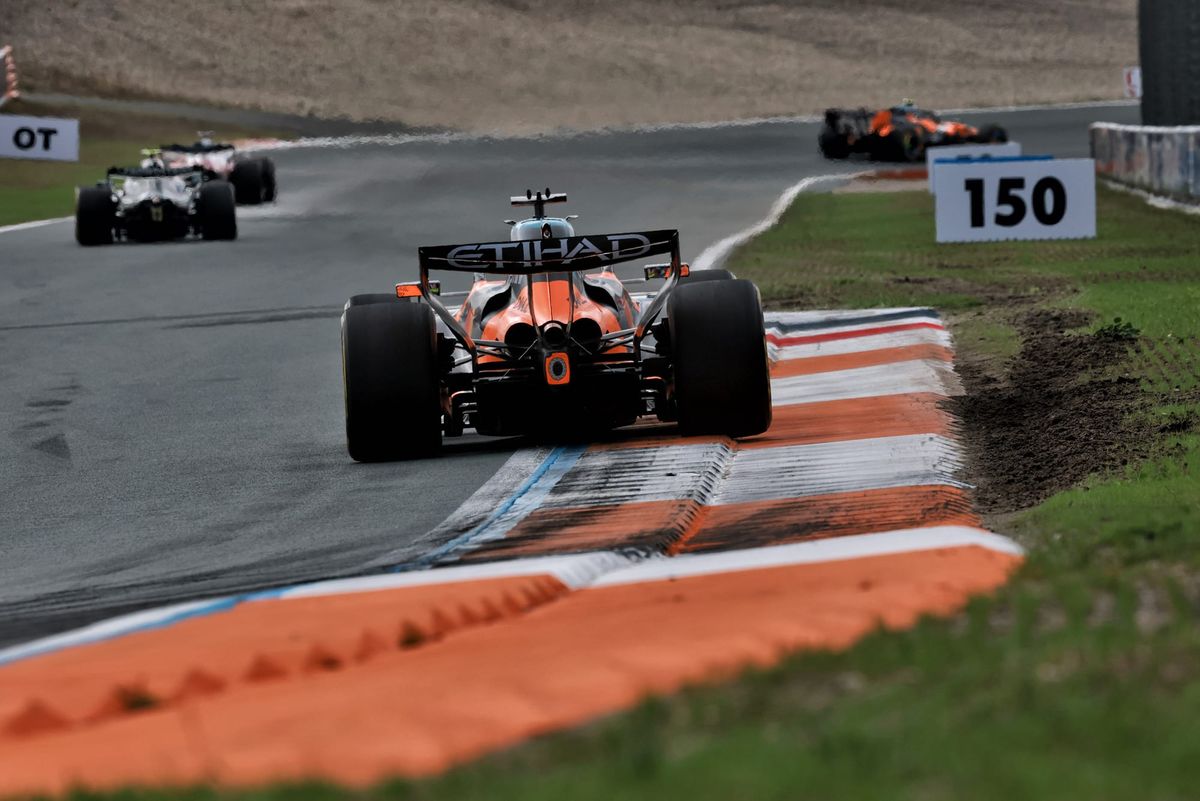
Dutch GP Sprint Race: Winners and Losers from F1's Zandvoort
Zandvoort's sprint race didn't exactly set the grandstands on fire, but it still told the truth about who handled the pressure and who drifted off.

Freedom 250 Grand Prix D.C. circuit map: what to expect
Washington gets one more high-speed postcard. The Freedom 250 turns the National Mall into a temporary racetrack, and then the city gets its streets back.
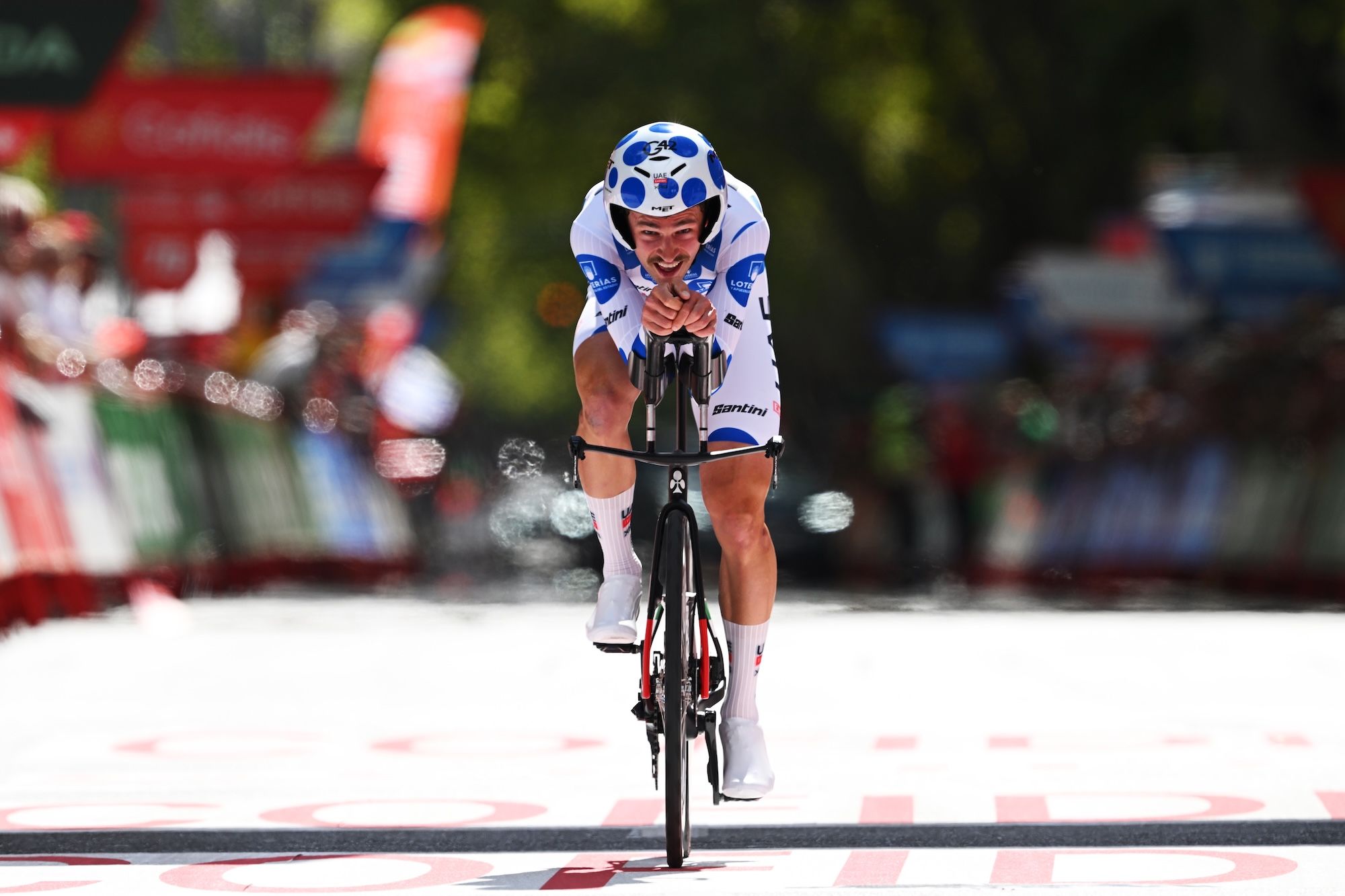
Vuelta a España Stage 1 Time Trial: Monaco Start Times Set
The Vuelta opens with a Monaco time trial that should sort the tourists from the threats. Primož Roglič rolls off late, and the GC parking spots are already getting claimed.