
Dylan Larkin Trade Request: Red Wings Captain Faces Reality
Detroit’s franchise center finally speaks, and the silence around this is over.
 Zane Miller5 min read
Dylan Larkin didn’t let the room breathe before he stepped on the issue. That matters. The Detroit Red Wings captain got in front of the story on Sept. 17 and talked publicly for the first time since asking the team for a trade, which instantly turns this from front-office static into a full-on franchise moment.
This is the kind of thing teams spend weeks trying to keep neat. He broke that script. Larkin spoke before teammates had to answer for it, before the question became a side-show at practice, before the whole building got dragged into spin mode. That’s not nothing. In a league where body language is half the story and timing is the other half, the timing here tells you he understands how fragile this can get.
The trade request itself already changed the temperature
A captain asking out is not ordinary NHL business. A star wanting a reset is one thing. A leader wearing the letter doing it? That hits a different nerve.
Detroit has spent years trying to drag itself back toward relevance, and Larkin has been the face of that push. He’s homegrown, central to the identity, and one of the few players on the roster who has carried both production pressure and symbolic weight. Once a player like that asks for a trade, even with no fireworks attached, the organization loses some of its insulation.
The NHL is full of teams that can survive noise. The Red Wings are still in the phase where noise gets amplified. They’re not built yet to wave this away with a shrug and a hot start. Everything gets interpreted: usage, practice energy, line changes, postgame tone, all of it.
And because this was framed around “personal stuff,” the story gets even messier in the most human way possible. That phrase doesn’t tell you much, but it tells you enough to know this isn’t just a clean hockey transaction. Whatever prompted the request, it’s not the kind of thing you fix with a power-play meeting and a media-trained answer.
Why Larkin’s timing matters for Detroit’s roster math
The front office now has two jobs at once. First, it has to manage the room. Second, it has to manage the market.
Those are not the same job. Teams like Detroit can say all the right things publicly, but executives know the reality: once a player of this caliber wants out, every conversation gets heavier. Teammates start reading body language. The coaching staff starts thinking about who absorbs more usage. Other clubs start sniffing around, imagining what it would take and whether Detroit’s leverage has already been dented.
That’s where the cap and roster angle gets sharp. A player with Larkin’s profile is not easy to replace in-season, and not easy to replace in trade either. Centers who can drive a lineup, anchor a room, and still carry the standard of a rebuilding or retooling franchise are scarce. You do not find those pieces lying around on the waiver wire.
So now the Red Wings are stuck with the most annoying version of the problem: even if the situation cools, everyone knows it got hot. And if it doesn’t cool? Then every game becomes a referendum on whether Detroit is trying to contend, retool, or simply keep the lid on.
A captain’s trade request doesn’t just shake a room — it changes how everyone else evaluates the franchise.
The personal element is what makes this harder to smooth over
If this were pure hockey frustration, you could map the path forward a little easier. Players get unhappy with losing. They get impatient with direction. They get tired of hearing about “the process” when the standings don’t budge. That part is familiar.
But the way this has been described puts the focus somewhere else, and that’s where the organization has to be careful. Once something is framed as personal, the usual arsenal of public messaging becomes less useful. You can’t skate around it forever. You can’t treat it like a simple cap-era roster issue. There’s a person on the other side of it, not just a contract.
Here’s my read: Detroit has to avoid the trap of acting offended. That never helps. In situations like this, the club’s best path is usually measured, not dramatic. Keep the tone calm. Keep the room functional. Keep the player from becoming a weekly headache. That doesn’t mean the relationship is fine. It means the organization understands the difference between managing damage and pretending there isn’t any.
And from a league-wide view, this is a reminder that captaincy doesn’t immunize anyone. If anything, it raises the stakes. When a captain hits this point, the exit ramp gets narrower because every move reflects on the franchise’s direction. Teams around the league are watching that dynamic closely. A lot of front offices would love to know whether Detroit can stabilize this without turning it into a season-long distraction.
What the Red Wings have to prove now
The next few days will tell you more than the last few months did. Watch the lineup usage. Watch the tone around practice. Watch whether this stays quiet or starts to leak into every public interaction.
Detroit doesn’t need a theatrical response. It needs control. It needs a clean message, a steady room, and enough on-ice performance to keep this from becoming the story that swallows the early season. If the Red Wings can do that, they buy time. If they can’t, every result gets read through the Larkin lens.
That’s the burden now. Not just handling a trade request, but proving the organization can still operate like a team with a plan.
The next move won’t be about noise. It’ll be about whether Detroit can keep its core from cracking any further.
More from Straight From The Bench
Comments
Join the conversation — sign in to leave a comment.
Sign in to commentRelated Stories
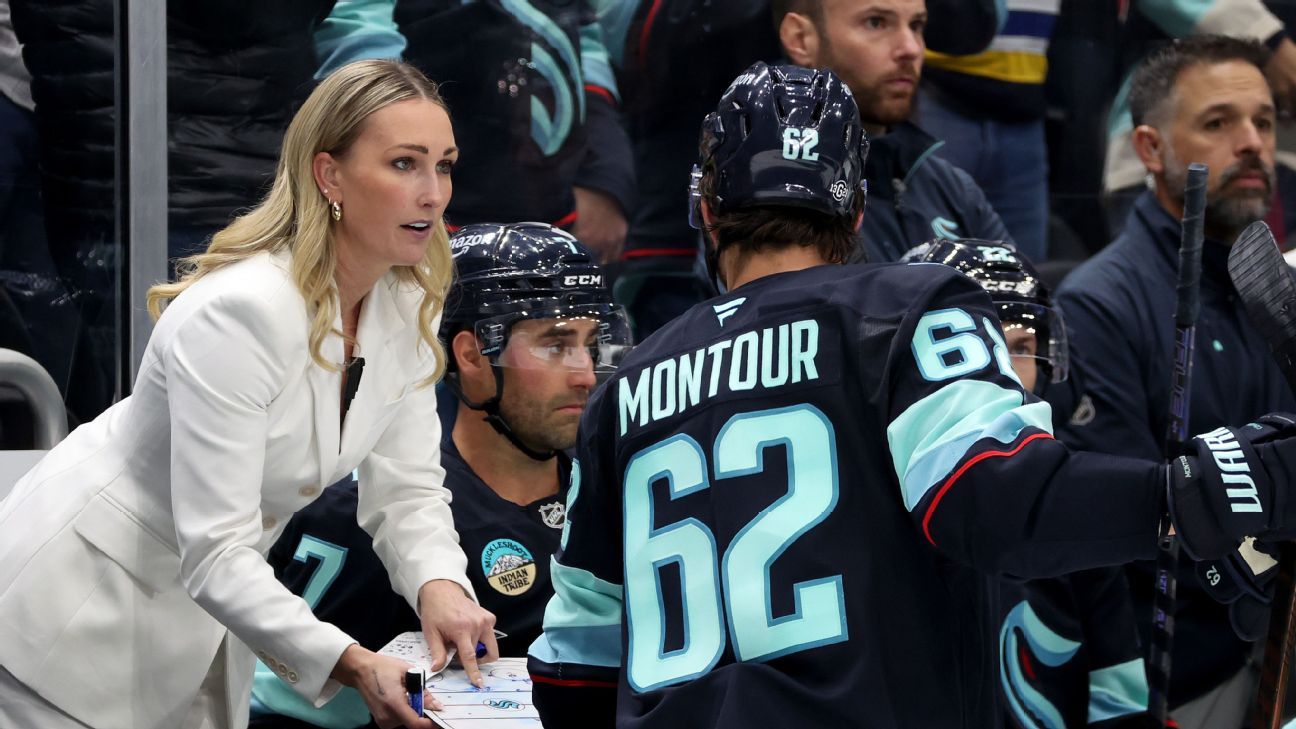
New Jersey Devils hire Jessica Campbell, Bryan McCabe
New Jersey is betting on development, not slogans. Jessica Campbell and Bryan McCabe bring two different kinds of credibility to a franchise trying to grow up fast.

Cutter Gauthier Contract: Ducks Lock Up Star for $81 Million
The Ducks didn’t wait around on Cutter Gauthier. Six years, $81 million, and a loud message to the rest of the league: the kids are getting paid early in Anaheim.

Alexander Ovechkin Russia Ad: Capitals star sparks new backlash
Ovechkin’s appearance in a United Russia campaign video drags a familiar political burden back into the NHL spotlight. The optics are heavy, and they land hard in Washington.