
Eagles Offense: 68 Passing Yards and Third-Down Woes vs Rams
Philly’s stadium turned restless because the offense never found a pulse.
 Beatrice Kensington6 min read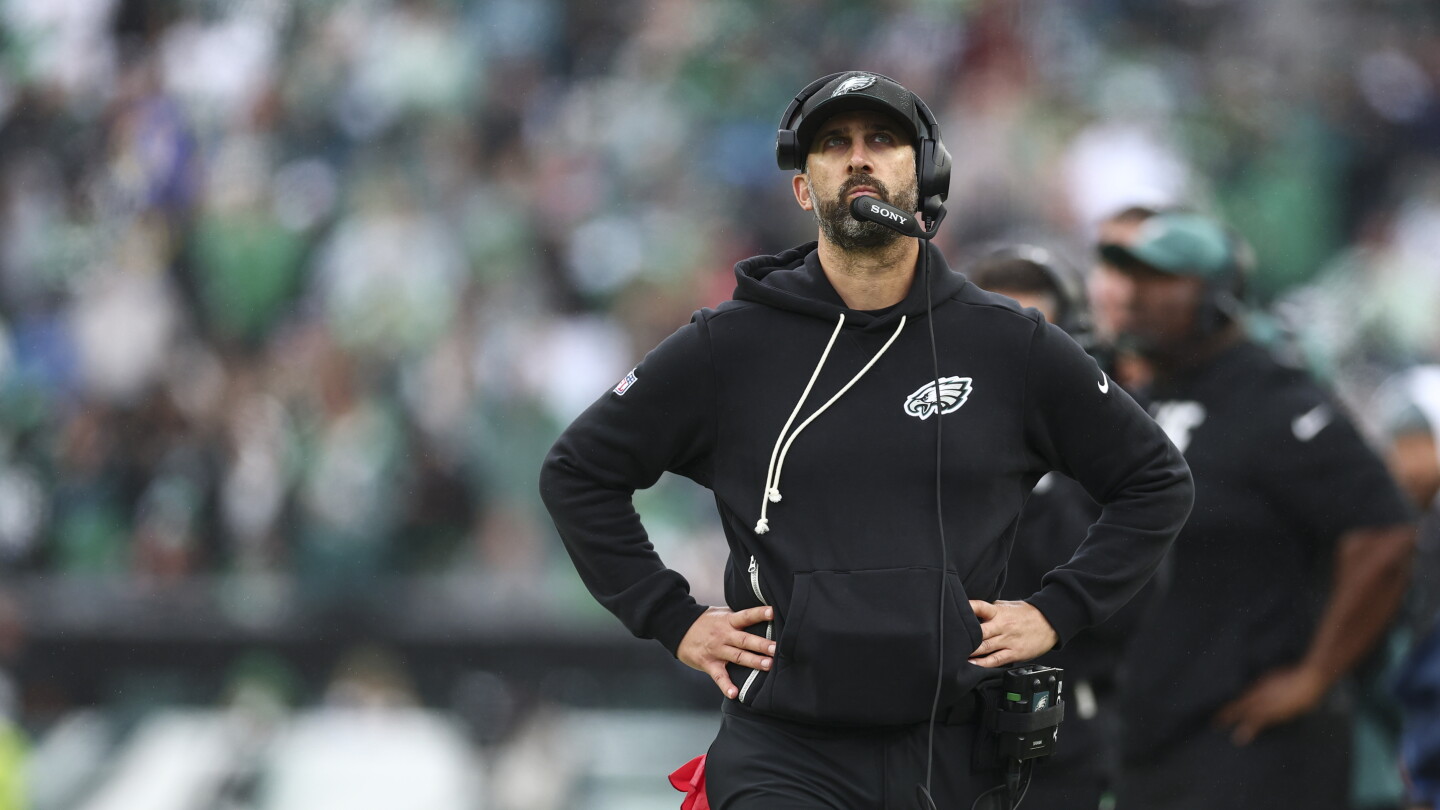
The sound arrived early in South Philadelphia, that hard, unsentimental murmur that rolls down from the upper deck when a football team starts mistaking possession for progress. By the fourth quarter, the boos had the shape of judgment. The Eagles had not merely lost to the Rams; they had spent three hours failing to resemble an offense built for anything larger than survival.
Sixty-eight net passing yards. Zero conversions on 12 third-down tries. One hundred seventy-two total yards, which on a damp Sunday in Philly looked less like production than rationing. Numbers can be blunt instruments, but these were a hammer to the temple. This was not a missed kick or one bad turnover twisting the afternoon out of shape. This was systemic inertia. It was an offense that kept arriving at decisive moments and finding itself already out of ideas.
The third-down collapse said everything
Third down is football’s confession booth. Teams reveal who they are there, stripped of the comforting lies that can survive on first-and-10. The Philadelphia Eagles did not merely struggle on third down against the Los Angeles Rams; they vanished there. Twelve chances, no conversions. That kind of futility does not happen by accident, and it does not belong to one bad quarterbacking day or one unlucky route.
It means the operation behind the quarterback was brittle. It means protection broke down, spacing likely shrank, and the play sheet began to feel smaller with every failed snap. It means the Rams could sit on tendencies and force the Eagles into repeated long-yardage looks, the kind that turn offenses into spectators wearing shoulder pads.
This is where the loss stings beyond the standings. The Eagles are not some rebuilding club asking patience from a weary fan base. They are a roster designed to carry expectation the way a cathedral carries stone. And when such a team cannot convert third down after third down, the disappointment turns architectural. The whole structure seems to lean.
An offense that cannot move the chains is not merely inefficient; it is telling you the game plan has stopped speaking the same language as the players.
Sixty-eight net passing yards is a structural problem
Net passing yards can flatter or mislead in small doses, but 68 is too meager to hide behind semantics. It points to an attack that never consistently threatened the middle of the field, never stretched the Rams enough to create breathing room, and never forced Sean McVay’s defense to solve a second problem before the first one was finished.
The Eagles have long sold themselves as a team that can win in multiple ways. That is the promise of depth, of line play, of quarterback talent, of skill-position speed. Yet games like this expose how much of that versatility depends on rhythm, and how fragile rhythm can be in the NFL. Once a few series die in traffic, the play-caller begins shrinking the menu. Once the menu shrinks, the defense’s job gets easier. Once the defense gets comfortable, the crowd gets restless. Then the boos begin sounding like punctuation.
If you want a harsh comparison, look no further than teams that become defined by one-dimensional survival. They may still have stars. They may still have swagger. But their offense has quietly surrendered the right to be feared. That is what Sunday suggested about Philadelphia, however temporarily: not a collapse of talent, but a collapse of authority.
For a deeper look at how Philadelphia’s broader defensive and coaching tensions have begun to color the season, our recent Lions defense and coaching firestorm piece shows how quickly a team’s internal weather can shift once frustration finds a voice.
The boos were about more than one game
Philadelphia is not a soft place, and its football crowd has never pretended otherwise. Booing is part civic ritual, part accountability session. But the volume Sunday carried a sharper edge because it tapped into a long memory. Eagles fans know what a championship-caliber offense looks like in flashes and in full bloom. They know the difference between a team that is slumping and a team that is wandering.
This one felt like the latter, at least for an afternoon.
The crowd reaction also says something important about the social contract in a football city. Fans accept violence in the weather, injuries in the roster, and the occasional ugly win if they can still sense a plan. What they punish is drift. What they cannot abide is an offense that seems unsure whether it wants to attack, protect, or simply wait for the day to end. There is no romance in that uncertainty, only irritation.
I’ve watched enough September and October football to know that early boos are rarely about a single quarter. They are a memory test. They ask whether the team has earned trust, and whether the coaches have banked enough goodwill to survive a poor afternoon. The Eagles have built plenty of equity over the years, but equity is not immunity. When an offense posts 68 net passing yards, the public mood changes with startling speed because it senses a deeper truth: this was not a fluky cold spell. It was a portrait.
What this means for the Eagles’ next stretch
The immediate question is not whether the Eagles have talent. They do. The question is whether their offense can regain clarity before the season’s pressure starts to harden. Strong teams do not avoid ugly days; they absorb them and emerge with a cleaner answer. Weak ones keep revisiting the same questions in slightly different lighting.
There will be a temptation, naturally, to treat this as a passing bad day, the sort of statistical bruise that can be massaged away with a better script next Sunday. Maybe. But the NFL is brutal precisely because bad habits do not need much time to become identity. If the Eagles cannot consistently create manageable third downs, if the passing game remains pinned to the sideline, if the run game becomes a hostage to every failed early down, the season turns from aspiration to maintenance.
And maintenance is a weary way to live in a town that expects the parade route to be relevant every year.
The Rams, by contrast, left with the cleaner lesson: disciplined defense, patient pressure, and a willingness to make an opponent solve the same problem again and again. For Philadelphia, the answer begins not with slogans but with sequencing, spacing, and a willingness to admit that the offense as presently built must be sharper than it was here.
One more flat afternoon, and the boos will not feel like impatience. They will feel like prediction.
The Eagles now have to prove this was a stumble, not a signal. That is a much harder task, and one they cannot afford to botch twice.
More from Straight From The Bench
Comments
Join the conversation — sign in to leave a comment.
Sign in to commentRelated Stories
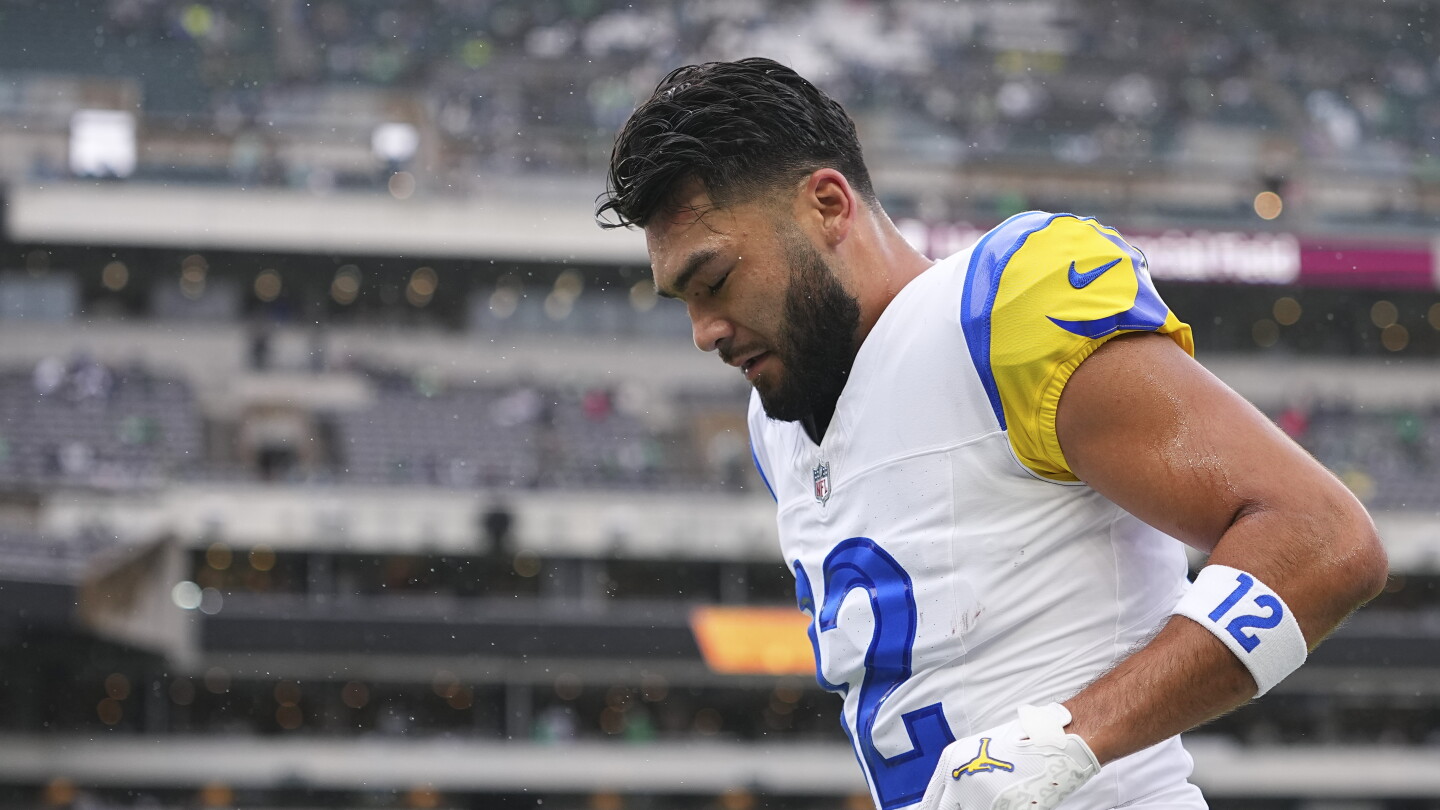
Puka Nacua Injury Update: Rams Receiver Dealing With Core Issue
Puka Nacua’s latest issue sounds less like a shrug and more like a warning flare. For the Rams, that’s a problem with a long shadow.
Lamar Jackson Ankle MRI Update: Ravens Wait on QB Status
Lamar Jackson is headed for an MRI on his ankle Monday, and that puts Baltimore in the familiar spot nobody wants: waiting on the quarterback before the week really starts.
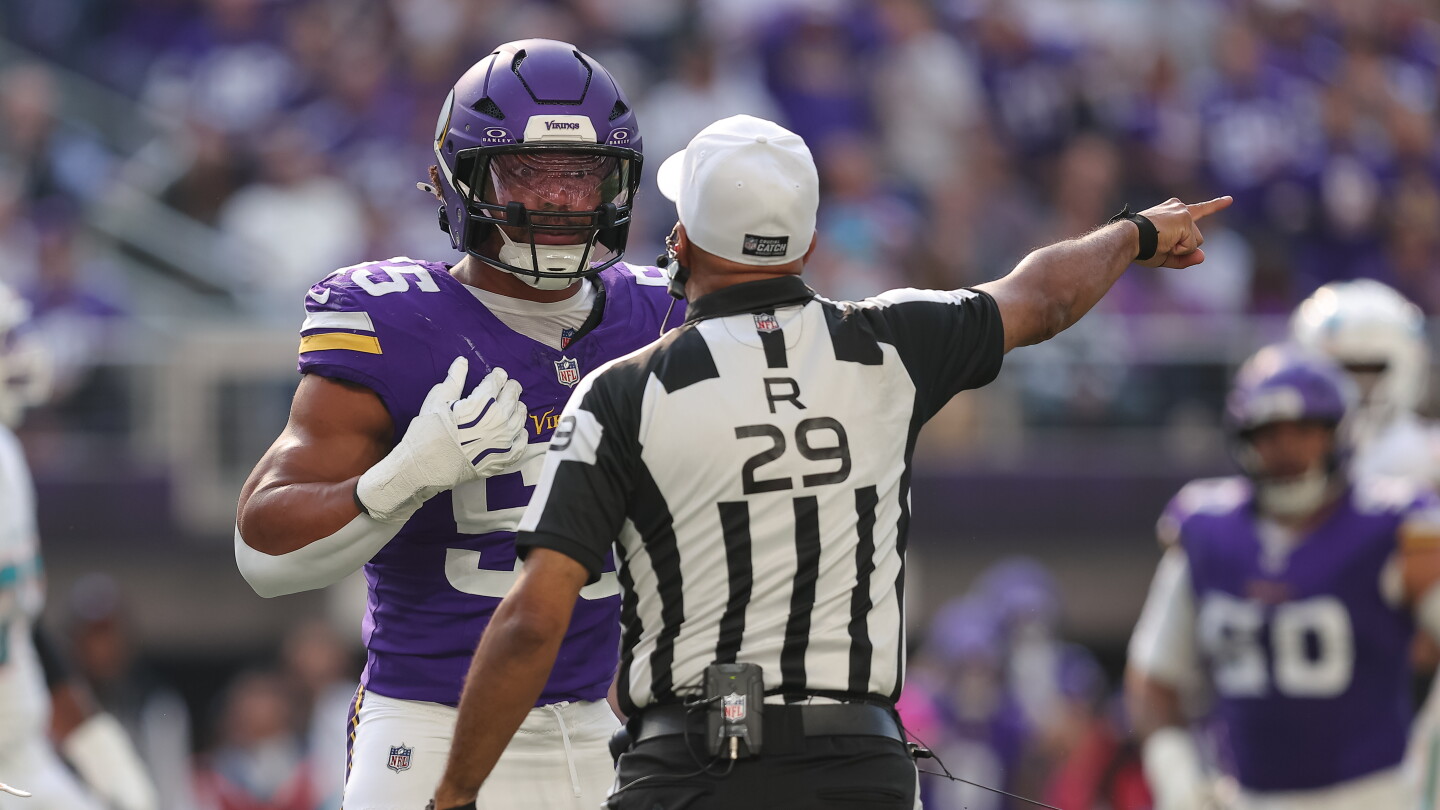
Eric Wilson Ref Incident: NFL Reviewing Vikings-Dolphins Clash
A strange moment in Vikings-Dolphins turned into league business fast. Eric Wilson and referee Adrian Hill are now part of a replay nobody wanted.