
Eric Bieniemy Family Shooting Report: the questions left behind
A private horror, a public life, and the uneasy silence around both.
 Beatrice Kensington6 min read
The football calendar keeps moving, because it always does, but some news lands with the sickening weight of a dropped glass in a quiet room. The emerging details around the July 26 shooting involving Mia Bieniemy, the wife of Eric Bieniemy, do not read like sports news at all. They read like a household pushed to the edge, a family crisis spilling into public view with all the messy fear, confusion and irreversible damage that such moments leave behind.
This is not a matter for glib commentary or the usual machine of Monday-morning sports talk. A family has been fractured by violence. A son, according to the reporting, raised alarms days before the shooting about firearms being withheld from him. That detail matters not because it satisfies curiosity, but because it suggests a warning sign passed through the house before the worst happened. There are few things more unsettling than hindsight turning a home into a map of missed alarms.
A family matter that can’t be flattened into a football note
Eric Bieniemy’s name is familiar to NFL audiences because his life has unfolded in the bright light that follows elite coaching, championship expectations and the constant scrutiny that comes with both. He is the former Kansas City Chiefs offensive coordinator, a coach whose professional identity has been examined from every angle, often with the chilly impatience reserved for Black coaches forced to prove themselves twice. But the story now attached to his family is larger and darker than any résumé line.
When a shooting enters the picture, the instinct around sports culture is to separate the personal from the professional. We try to preserve the box score, to keep the calendar intact, to pretend the locker room exists on a different planet. Yet public figures do not get to sort tragedy into tidy compartments. The family suffers in one room; the profession echoes in another. And everyone pretends the walls are thicker than they are.
The report about the days before the shooting adds a grim texture. It suggests conflict, fear and perhaps an atmosphere in which someone felt the need to speak up. That does not answer every question. It does, however, remind us that these events are often preceded by warning lights that blink too quietly for the rest of us to notice until it is too late.
Why the details before July 26 matter
The most corrosive thing about violence in a family is not only the act itself, but the way it rearranges memory. Afterward, every prior conversation can become evidence in the mind. Every odd silence acquires a sinister edge. That is why reports about what was said two days earlier carry such emotional force. They are not gossip. They are the painful architecture of aftershocks.
In the sports ecosystem, stories like this also expose the dangerous habit of treating coaches, players and their relatives as symbols first and people second. We reduce them to sideline archetypes, to motivation posters, to men in headsets and the family members who appear in the background on draft night. Then calamity arrives and reminds us that the private life was never a prop. It was a life.
The cruelest part of a family tragedy is how public it becomes while the people inside it are still trying to survive it.
There is also a broader conversation here about firearms, domestic instability and the burden of warning signs that go unheeded. Sports communities love to speak fluently about toughness, discipline and accountability. Those words should mean something outside stadium walls as well. They should mean intervention when tension is visible. They should mean seriousness when a person says a gun should not be available. They should mean the adults in the room acting like adults.
The NFL’s familiar silence around private catastrophe
The NFL has spent years learning how to absorb scandal without visibly changing shape. It knows how to move on. It knows how to keep Sunday sacred. But grief does not care about schedule integrity, and trauma does not respect the league’s instinct for containment. When something this grave touches a football family, the human obligation is not to fill airtime. It is to slow down.
That does not mean there is no wider relevance. There is. Bieniemy’s career has existed inside a league that often speaks earnestly about leadership while still struggling with who gets elevated and who is asked to wait. For a coach who has endured years of professional scrutiny, the surrounding public attention now shifts to a different, far more painful kind of scrutiny: not whether he could call plays, but how a family reached such a breaking point.
If you want to understand why this story rattles people beyond the Chiefs orbit, start there. Sports stars and coaches are not insulated from the same domestic vulnerabilities that shape any other household. Their prominence can even intensify them. More money. More pressure. More eyes. None of that is armor.
For readers who followed Kawhi Leonard sponsorship scrutiny or the private tensions around public athletes, the pattern will feel familiar in one sense: fame does not simplify human life. It complicates it. It adds an audience to anguish. The difference here is the stakes are not commercial or reputational. They are physical, emotional, immediate.
What this says about warning signs and responsibility
I keep returning to the detail of the son’s reported concern because it is the hinge on which so many tragedies swing. Families in distress often generate small, sharp signals before catastrophe. A missing weapon. A tense exchange. A plea that sounds too dramatic to outsiders until it is not dramatic enough. Society has a terrible tendency to dismiss those signals as merely private drama, as if privacy were a shield against consequence.
My own view is that sports media, by habit and by appetite, is often poorly suited to cover these moments with the gravity they deserve. We are trained to value access, speed and reaction. But a story like this asks for something quieter and harder: restraint, patience, and the humility to understand that the real report is about pain, not performance.
If there is a lesson here for leagues, teams and the people around them, it is that the culture of “everything is fine until it isn’t” is a luxury no household can afford. The people closest to a crisis need pathways to be heard before the headline is written. The rest of us need to stop treating that as someone else’s problem.
The days ahead will likely bring more facts, more legal context, more attempts to make sense of what happened in that home. None of it will undo the damage. The only honest thing left is to watch carefully, speak plainly, and resist the temptation to turn a family’s nightmare into mere background noise.
This story is not over. It only grows heavier from here.
More from Straight From The Bench
Comments
Join the conversation — sign in to leave a comment.
Sign in to commentRelated Stories

Falcons release Troy Andersen: why Atlanta moved on now
Atlanta just cut bait on a former second-round linebacker, and that says plenty about where the Falcons think their defense is headed.

Jahmyr Gibbs Extension: Lions Teammates React to Big Deal
Jahmyr Gibbs got his extension, and the Lions room answered with respect instead of surprise. That tells you plenty about what he means in Detroit.
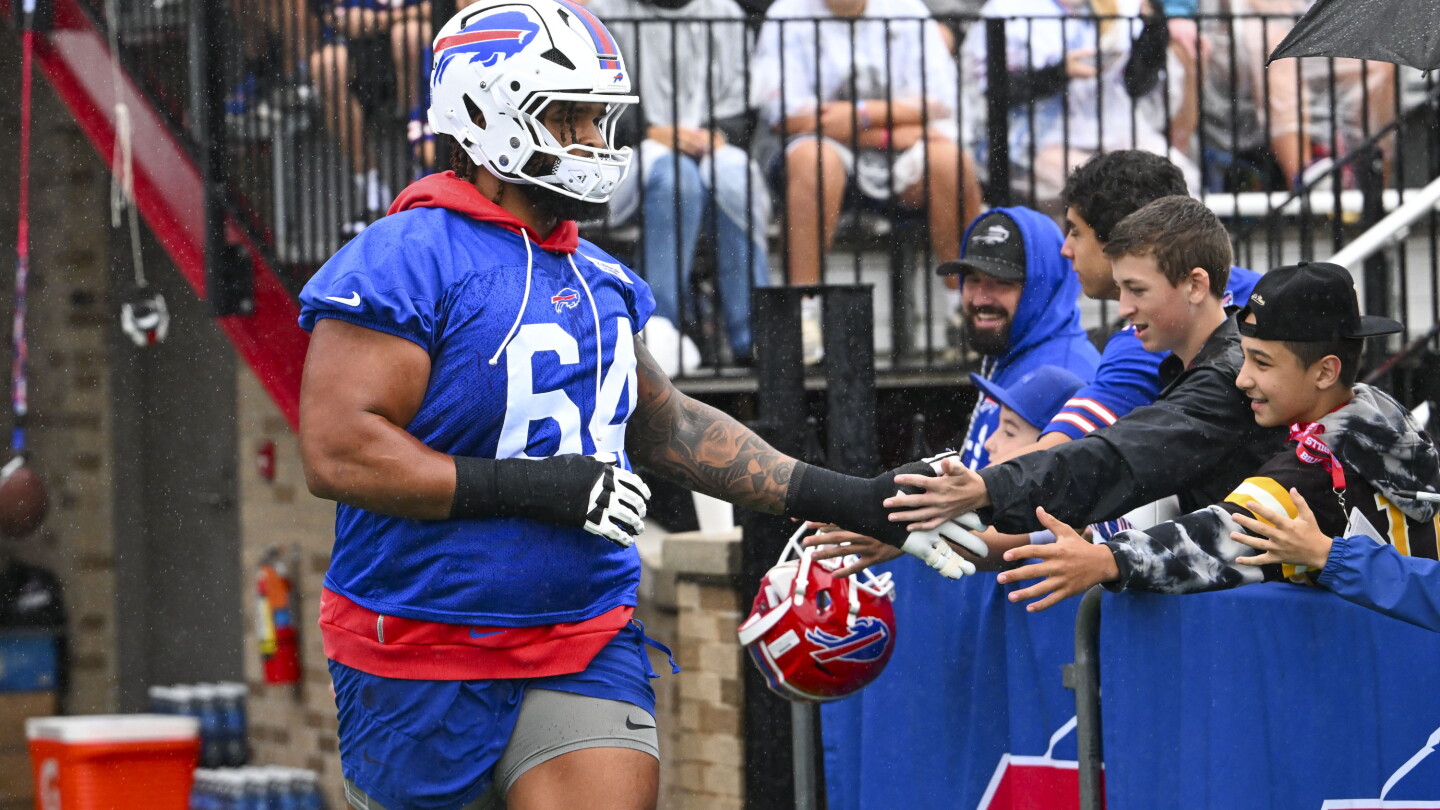
Bills O’Cyrus Torrence Extension: Buffalo Locks In Its Guard
Buffalo keeps one of its sturdier interior blockers in place, betting on continuity where championship windows are measured in inches.