
F1 2026 Hungarian GP: Day One lessons from the Hungaroring
New rules, old pressure, and a few teams already sweating under the summer sun.
 Leo Lupo6 min read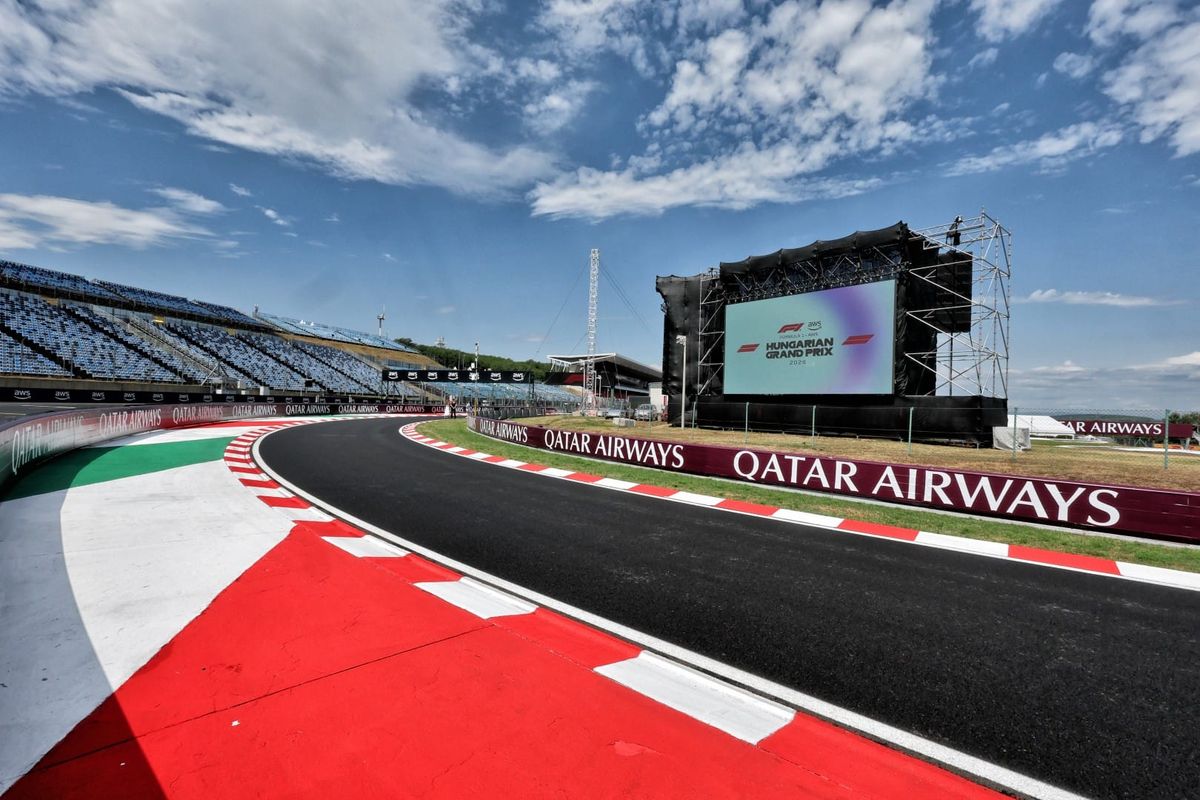
Formula 1 came to the Hungaroring this week with the usual July polish on the surface and the usual panic underneath it. Drivers smiled for the cameras, engineers spoke in that careful little language they use when they’re hiding half the truth, and the paddock did what it always does before the Hungarian Grand Prix: pretend it’s just another stop before the summer break, while everyone in the garage treats it like a rolling exam.
It wasn’t a day for lap times. It was a day for tells. For body language. For the small stuff that gives the game away. And on day one in Hungary, the biggest lesson was simple: the 2026 season is already being shaped by decisions made now, not later. A new Aston Martin F1 Team package turned heads. Software changes — the kind the public barely notices and the top teams obsess over — were talked up as possible swing factors in a title fight that could be tighter than a drum come next year.
Aston Martin’s new look has the paddock talking
The new Aston Martin brought the kind of buzz that doesn’t come from marketing fluff. It came from the sort of people who spend their lives staring at rear suspension geometry and sidepod lines, looking for whatever tiny edge the rest of the field missed. That matters. In this sport, the first reaction to a car is usually more revealing than the official line about “good correlation” and “promising trends.” That phrase has buried more bad news than any eulogy I’ve ever heard.
Aston has spent enough years being the team with ambition written all over it and execution missing in spots. That’s the old story. But 2026 is a different kind of animal. New rules reset the deck, and when that happens the teams with the nerve to be bold early can buy themselves months. Sometimes years. If Aston really has found something here, the knock-on effect is obvious: pressure lands on the teams expected to control the front of the grid, and the arms race starts before the summer heat has even cracked the asphalt.
That’s why this paddock chatter has teeth. It’s not about a shiny reveal photo. It’s about whether a team that’s been chasing can finally make others chase them for a change.
Software tweaks may hit harder than the shiny bits
Here’s the part casual fans miss, and plenty of teams would like them to keep missing: software can matter just as much as hardware. Maybe more. A small change in energy deployment, throttle response, suspension logic, or how the hybrid systems are managed can turn a decent car into a sharp one — or wreck the balance completely. The good teams win championships by making the car behave predictably when the tires are cooking and the driver is hanging on by a fingernail.
That’s the point of the software talk from Hungary. Not drama. Not hype. Just reality. The cars are already so close that the difference between first and fourth can be a matter of how neatly the system hands power back to the rear wheels on corner exit. That is not the sort of thing you see on a highlight reel, but it decides who gets to stand on the podium and who gets to make polite excuses in the media pen.
And if you’re looking for the broader picture, it’s this: the championship won’t only be won by wind tunnels and shiny floor edges. It’ll be won by teams that can make the electronics, the aero, and the driver’s confidence all speak the same language. That’s a harder trick than it sounds. There’s a reason even the best outfits spend fortunes chasing a feeling.
Why Hungary always exposes the soft spots
Hungary has a way of stripping the chrome off a team’s claims. Tight layout. Hot track. Not much room to hide. If your car turns badly in slow corners, the Hungaroring will embarrass you. If your tire management is a mess, it will sit there and laugh in your face. If your rear end steps out under traction, the stopwatch tells on you.
That makes media day useful in a way the polished pre-race routine usually isn’t. Teams can posture anywhere. They can’t completely fake confidence at Hungary, because the circuit itself doesn’t let them. Every problem gets magnified. Every good sign gets noticed. That’s why the conversations around the paddock on day one carried more weight than the usual summer-break chatter. People were reading clues, not quotes.
There’s a reason Formula 1 teams have turned over enough engineers and philosophers to staff a small university. The sport rewards microscopic gains and punishes vanity. A driver can look the business in a photo line and still be fighting a car that hates slow-speed rotation. A team can swear it has solved a balance problem and still arrive in Hungary to find the rear tires murdered by lap 12. No sermon from the pit wall fixes that.
The real title fight may start before the summer break ends
In F1, the loudest thing on media day is usually the lie everyone agrees not to say out loud.
That line fits Hungary nicely. The paddock may be calling this a quiet lead-in to the break, but nobody in there believes the next few weeks are dead time. Quite the opposite. This is where the serious teams set the terms for the second half of the year. This is where they decide whether to spend the break feeling clever or feeling chased.
I’ve covered enough seasons to know the drill. The summer break is never a vacation for the people actually running the show. It’s triage with better hotels. The team that leaves Hungary with the best read on its package usually comes back with the sharpest edge. And the ones trying to catch up? They spend August telling themselves they’ve got “direction.” That’s motorsport code for, “We’re not there yet, but please keep your shoes on.”
Look at it another way: if Aston Martin’s update really has legs, and if the software work is as influential as the chatter suggests, then the 2026 pecking order may start to separate earlier than expected. That helps nobody who was hoping for a sleepy regulation transition. It also means the smart money is on disruption, not continuity. Formula 1 has a long memory, but it also has a habit of making fools out of people who bet on the old hierarchy staying comfortable.
For more on how the sport’s back end is being reorganized, see our look at F1's media and broadcast changes — wrong league, same lesson: the business side never sleeps. And if you want the other side of the pressure coin, our take on Magomed Ankalaev’s title setback has the same smell of a contender trying to regroup after a bad day.
The rest of Hungary will tell us whether day one was genuine signal or just paddock perfume. My money says there’s something real lurking under the surface. There usually is. The trick is spotting it before the engineers hide it again.
By the time the cars hit the track for real, the polite smiles will be gone. Then we’ll see which teams came to Budapest with answers — and which ones came with a speech.
More from Straight From The Bench
Comments
Join the conversation — sign in to leave a comment.
Sign in to commentRelated Stories
Red Sox win 15th straight: club record streak tied in Boston
Boston matched an 80-year-old club mark with its 15th straight win, turning a good season into something heavier, stranger, and harder to ignore.

Kamaru Usman Retires? UFC Future After Dricus du Plessis Loss
Kamaru Usman’s latest setback wasn’t just a bad night — it pushed him into the kind of honest self-audit elite fighters rarely say out loud.

Sophie Cunningham Women's Sports Debate: White House Backs Fever Star
Sophie Cunningham’s remarks on protecting women’s sports drew a White House response and reignited a fight that reaches far beyond the Fever.