
F1 Italian GP: Kimi Antonelli Stuns From 19th to Win in Monza
Monza got the full Antonelli treatment: chaos, nerve, and a home win that changes the mood fast.
 Zane Miller5 min read
Kimi Antonelli didn’t just win the Italian Grand Prix. He detonated the script.
Starting 19th at Monza and finishing first is the kind of result that gets clipped, reposted, and replayed until the tires are bald. Home race. World championship leader. Mercedes teammate breathing down his neck. That’s not a tidy Sunday. That’s a statement with teeth.
Monza has a way of exposing drivers who think they can cruise. Antonelli spent the afternoon doing the opposite of cruising. He had to carve through traffic, manage the pressure, and stay patient enough to let the race come back to him. And then, when the door cracked open, he walked through it like he owned the place.
From 19th to first: the part that changes the conversation
This is where the result stops being just a cute home hero story and starts becoming a real championship-level data point.
Drivers can win from the front. That’s expected. Drivers can win with the best car on pure pace. Also expected. Winning from 19th on the grid in a race with real friction, real traffic, and real decision-making? That tells you a lot more. It says Antonelli can process chaos faster than most, and in Formula 1 that’s usually the separator.
Monza punishes hesitation. You do not get many clean chances there. And Mercedes needed this one badly, because the team has spent enough recent seasons living in the gap between “we’re close” and “we’re actually there.” Antonelli just dragged them a lot closer to the second category.
Starting 19th and winning at Monza is not luck. It’s control under pressure.
George Russell made him earn every inch
The piece that matters for Mercedes is the teammate battle. Antonelli beat George Russell) after a breathless comeback, and that’s not some footnote tucked in the bottom of the timing sheet.
Russell is the known quantity. Mature, sharp, relentless, and very hard to shake when he has a car under him. If Antonelli is going to sit at the center of Mercedes’ future, he has to pass the Russell test first. Not in a lab. Not in a simulator. In races like this, where every pit call, every overtake, and every lap on old rubber gets judged in real time.
He passed it.
And the consequences reach beyond one shiny result. Inside a garage, teammates define the temperature of a season. If Antonelli is consistently the guy turning messy races into points — and now wins — that reshapes how the team allocates trust, strategy, and development energy. Engineers listen differently. Pit walls think differently. Even the garage vibe changes.
Monza rewards nerve, not just raw speed
This is why the Autodromo Nazionale Monza matters so much. It’s one of the fastest, most unforgiving stages in motorsport. The track doesn’t care about your reputation. It cares about who makes the fewest mistakes while everyone else is making some.
Antonelli’s win fits that history perfectly. Monza loves a headline, but it usually gives you one by ripping control away from somebody else. Here, Antonelli took control back. That’s the part to remember.
There’s also a bigger championship wrinkle here. If he’s leading the world title race and still able to pull off a drive like this from deep in the field, that’s a warning to the entire paddock. Not just Mercedes rivals. Everybody.
The young drivers in Formula 1 are always graded on ceiling. Fair enough. But the real separator is floor. How bad can the day get before the driver stops the bleeding? Antonelli’s floor just got a lot higher.
What this means for Mercedes — and everyone chasing them
I’ve seen enough of these moments to know when a driver is only collecting a win and when he’s changing the internal math. This felt like the second one.
Mercedes has spent years trying to rediscover the old ruthless edge of its title-winning era. Winning on pace is one thing. Winning when the grid hands you a problem is another. Antonelli just showed that the team may have a new centerpiece who can survive the ugly races, not just the clean ones. And that matters more over a season than people admit on race day.
For the rest of the grid, the message is simple: if you leave Antonelli a window, even a tiny one, he can turn it into a wall-to-wall nightmare. That’s bad news if you’re chasing him in the standings. It’s worse news if you’re building strategy around the assumption that a young leader will blink first.
Mercedes has a real conversation on its hands now. Not about whether Antonelli belongs. That part looks settled. The next one is bigger: how much of the team’s future should be built around a driver who can start 19th, absorb the chaos, and still end the day with the trophy.
For more on the pressure that comes with a young team call, the Kimi Antonelli-style Mercedes spotlight is the kind of internal decision-making story that ages well, even across sports. And Monza’s chaos echoed the same kind of no-margin energy we’ve seen in other high-stakes event weekends, like the Italian GP pole shock at Monza.
Antonelli didn’t just win at home. He announced that the title fight now has a new tone, and everybody else is about to hear it every weekend.
The next race won’t erase Monza. It’ll answer it.
More from Straight From The Bench
Comments
Join the conversation — sign in to leave a comment.
Sign in to commentRelated Stories

Italian GP Pole: Pierre Gasly Stuns F1 Giants at Monza
Pierre Gasly grabbed his first career Monza pole by beating Mercedes, Ferrari, McLaren and Red Bull on execution, not horsepower. At a track that punishes hesitation, Alpine were all sharp elbows and
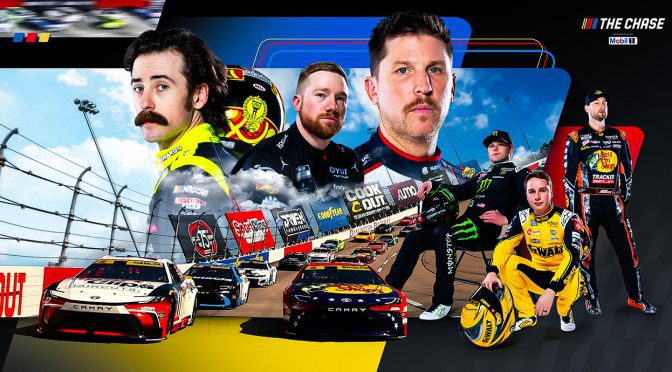
NASCAR Cup Series Chase at Darlington: Storylines to Watch
The Cup Series Chase opens at Darlington, where the groove is narrow, the walls are cruel, and patience usually beats bravado. This place tells the truth fast.

FIA Appeal Court Flavio Briatore Impartiality Claim Rejected
The FIA’s appeal court has swatted away Flavio Briatore’s impartiality complaint, sharpening the legal and political tension around a case already humming with suspicion.