
Fantasy Baseball SP Roundup 8/5: Harrison's Start Signals More
The whiff rates, pitch mix, and usage trends that actually move the fantasy board.
 Zane Miller5 min read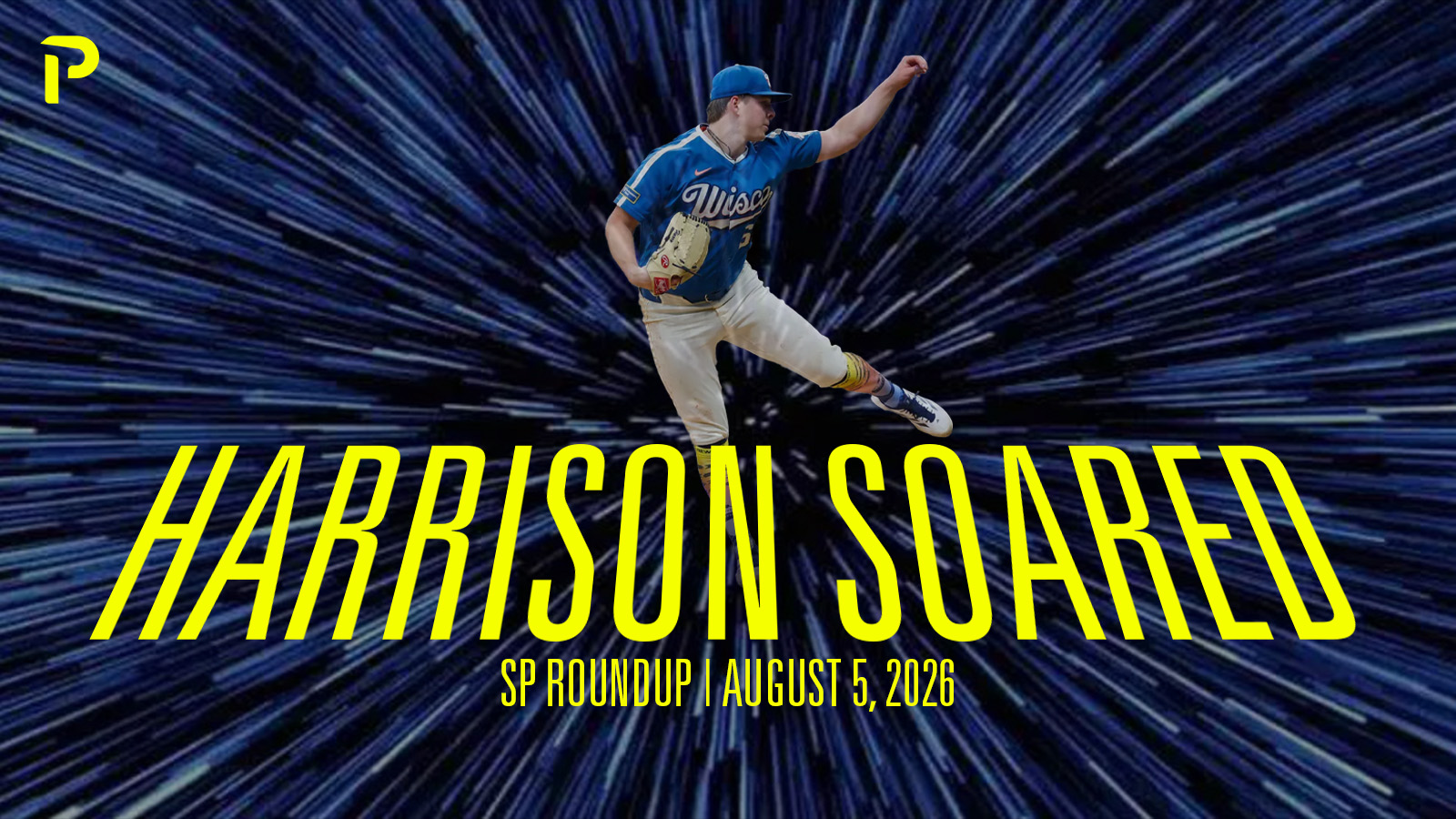
Wednesday’s starter grid gave fantasy managers exactly what they needed: separation. Not every pitcher looked great, and not every ugly line was fatal. But if you’re trying to win a league in August, the difference between a useful arm and a trap is usually hiding in the pitch mix, the missed bats, and whether the underlying shape still holds when the command gets a little loose.
This is the part of the season where the market gets sharper. Streaming decisions matter more. Ratios get tighter. And if you’re ignoring MLB starting pitchers because the ERA looks fine, you’re probably already late.
Harrison’s rise came with the kind of indicators fantasy managers should trust
The name at the top of the roundup mattered because the process backed it up. When a pitcher “soars” in this space, I’m not chasing vibes. I’m looking for a meaningful whiff rate, a real CSW jump, and pitch shapes that tell you the performance isn’t built entirely on traffic management.
That’s what separates a one-night heater from a pitcher you can actually buy into. A starter can survive on sequencing for a while. He can even string together a few clean turns. But if the whiffs aren’t there, the fantasy clock is ticking. Eventually the balls in play find grass, the pitch count climbs, and the whole thing collapses into a five-inning shrug.
The useful takeaway from Harrison’s outing is simple: if the arsenal looked sharper, that’s the kind of thing that can stick. Fantasy players don’t need perfection. They need repeatable skills. If the pitch mix is generating chase and the contact quality is muted, that’s actionable.
August is where good process starts beating good luck.
The real edge is in the shape, not the surface line
This is where a lot of managers get themselves into trouble. They see seven innings, maybe a quality start, and assume the player has stabilized. Then they look at a rough ERA and panic-churn the arm after one bad inning. Neither instinct is enough.
CSW and whiff rates tell a cleaner story than the box score ever will. A pitcher who’s earning strikes and missing bats has room for error. A pitcher who’s living on weak contact with no bat-missing backbone is one bloop away from trouble.
That’s why Wednesday slate recaps matter. You’re not just grading results. You’re identifying which arms are actually holding their fantasy value into the late stretch. And in a lot of leagues, that’s the difference between protecting a standings lead and watching it evaporate because your rotation turned into replacement-level innings.
The pitch-mix piece matters just as much. If a pitcher is leaning harder on the secondary that draws the swing-and-miss, that’s often the tell. If he’s suddenly more two-pitch than before, or if the heater is getting less damage, the arrow can point up fast. If not, the regression is usually already warming up.
What this means for streamers, hold decisions, and the trade market
Fantasy baseball is a roster-management sport now. It’s not just who you drafted. It’s who you were brave enough to add before everyone else caught up.
That makes the Wednesday roundups especially valuable. They help define the buy/hold/bail line before the league pulse changes. If a starter’s whiff profile improved, that’s a hold in most mixed formats and a buy in deeper ones. If the starter leaned on command without swing-and-miss support, that’s usually a short leash unless the matchups are soft.
This is also where real-life context matters. Teams handle young starters differently in August than they do in April. Workloads tighten. Innings get managed. A pitcher can be useful and still be at risk of a capped outing, and that changes the fantasy math immediately. Volume is king, but only if the skills still point the right way.
If you want another layer of context, keep an eye on how teams are treating their arms in the bullpen-driven era. Even a solid starter can lose value if a manager is quick on the hook. That’s why the cleanest fantasy edges usually come from pitchers who are both earning misses and working deep enough to matter.
My read: the league keeps rewarding skills over noise
I’ve been doing this long enough to know the trap. Every August, someone falls in love with a shiny ERA and someone else dumps a pitcher after one ugly start. The smarter play is harder because it requires patience and a little nerve.
My read on these Wednesday starter reports is that the market is still underpricing process. Not every good skill line turns into a fantasy ace, obviously. But if a pitcher is winning on shape, bat-missing, and a stable mix, that’s where I want to place the bet. The shallow-league crowd usually waits for the breakout to become obvious. By then, the good stuff is gone.
And that’s the edge. In a season where rotations constantly shift and teams keep squeezing more from fewer innings, the pitchers who can actually miss bats are the ones you can trust when the noise gets loud. That’s not a flashy answer. It’s just the right one.
If Harrison’s trends hold, he’s the kind of arm who can quietly change a fantasy week. If they don’t, the roundup will tell you before your ratios do. That’s the game.
Keep your eye on the next turn, not the last line. The market usually tells you who’s real before the standings catch up.
More from Straight From The Bench
Comments
Join the conversation — sign in to leave a comment.
Sign in to commentRelated Stories

Gabe Speier Suspension: MLB Hands Mariners Lefty Three Games
MLB came down on Gabe Speier after a deliberate pitch at Gleyber Torres. The Mariners lose a lefty arm for three games, and the message is plain.
MLB Trade Rumors: Casey Mize, Noah Cameron, Angel Genao
Mize got knocked around in his Padres debut, Cameron keeps stacking elite outings, and Angel Genao is already acting like he belongs. The rookie pipeline is getting loud.

MLB Trade Deadline 2026: Skubal, Rutschman headline exec buzz
Front offices spent the week chasing certainty, upside, and October leverage. The names at the center tell you everything about how the market is moving.