
MLB Trade Deadline 2026: Skubal, Rutschman headline exec buzz
The deadline was loud. The real winner may not be the loudest team.
 Zane Miller5 min read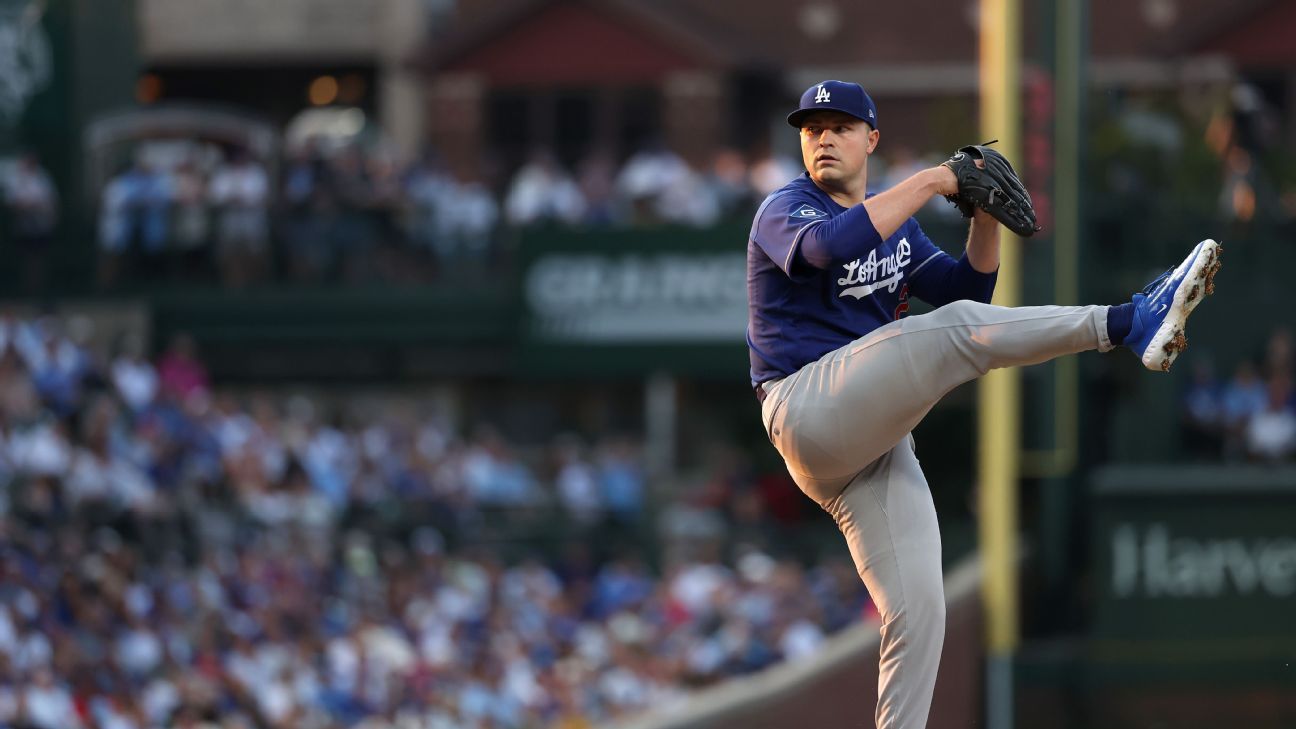
The 2026 trade deadline didn’t just shuffle rosters. It exposed which clubs were buying a short-term spark and which ones were trying to buy a window.
That’s the real tell here. When names like Tarik Skubal and Adley Rutschman start dominating the conversation, you’re not talking about marginal bullpen pieces or a second catcher with a glove-first profile. You’re talking about front offices aiming at the middle of the order, the top of a rotation, the kind of player who changes how a whole clubhouse thinks about October.
The deadline wasn’t about volume. It was about leverage.
This is where MLB gets different from the other major sports. The MLB deadline punishes hesitation. In football, one trade can matter. In baseball, the market is a thousand little decisions stacked on top of each other, and the clubs that understand timing usually come out ahead.
What execs always say in private is simple: you don’t buy for the spreadsheet, you buy for the path. A team with a real shot doesn’t need six new faces. It needs the right one or two that let the manager reshuffle the board.
That’s why the headlines around Skubal matter. Left-handed front-line pitching is the currency everyone wants and almost nobody can mint on command. If you’re in position to chase a starter like that, you’re not just adding innings. You’re changing the shape of your postseason series before it starts.
And if you’re one of the clubs that stayed out of the chase, that’s a message too. It usually means the asking prices got too spicy, the internal projections didn’t justify the prospect tax, or the organization decided the window is still a year away.
Rutschman changes the conversation in a different way
Adley Rutschman is a different kind of anchor. Catcher is a control room position. It affects pitch selection, staff confidence, and the way a team handles the ninth inning before it even arrives. Any deadline buzz around a player like that tells you the market isn’t just chasing bats — it’s chasing structure.
For teams built around run prevention, a catcher with elite reputation value is a luxury and a pressure point. You don’t acquire that player unless you believe the rest of the roster can already carry the offensive load around him. That’s why the interest in a player like Rutschman feels so aggressive. It says a club isn’t trying to patch holes. It’s trying to build identity.
The teams that really won the deadline were probably the ones that understood fit over splash. Fans love the drama of a blockbuster, but front offices live in a colder reality. You can overpay for headlines and still finish third in the division. Or you can land the right arm, the right defender, the right run-prevention piece, and suddenly your entire season looks less fragile.
The best deadline move is usually the one that makes your manager’s next two months look boring.
The market punished indecision and rewarded conviction
There’s a reason executives get twitchy in these weeks. Once one premium player moves, the whole market resets. Prospects get re-priced. Contenders get impatient. Sellers start asking whether they should cash in the next tier of talent too.
That dynamic shows up in every deadline, but this one had extra heat because the best names were the kind that don’t come around often. You can find a middle reliever in July. You can’t just replace a true difference-maker in the middle of a pennant race. That scarcity is what turns conversations from cautious to reckless in a hurry.
The smartest clubs know the difference between upgrading and rearranging. An upgrade changes your ceiling. Rearranging just changes the seating chart.
And if you want to know which teams probably came out feeling best, look at who addressed actual roster weakness instead of collecting brand names. Deadline trophies are usually awarded to the clubs that left with fewer obvious holes, not the ones that won the social media cycle for 12 hours.
What this says about the October race
This deadline also hints at how wide open the playoff picture may be. When multiple contenders are willing to spend big on frontline talent, it usually means nobody trusts the field to separate cleanly on its own.
That’s good news for baseball. It creates urgency. It creates weirdness. It forces teams to choose between future flexibility and the chance to punch now.
I’ve always thought the deadline reveals more about a front office’s self-image than its public messaging. If a club pays up for an elite pitcher, it’s saying the current group deserves a shot before the calendar flips. If it reaches for a catcher with all-around value, it’s betting the base layer of the roster can survive the stress of a long series.
And this is where the old-school exec brain still wins. You can build a beautiful 162-game team and still get exposed by one bad October week. So the clubs that lean into pitching, defense, and matchup flexibility are usually the ones that sleep better once the dust settles.
My read: the deadline winners are the teams that bought certainty, not noise. That’s the line that matters now. Not who got the biggest headline. Who got harder to beat?
The ripple effect starts now
The next few weeks will tell the truth. A deadline can look brilliant on paper and ugly on the field if the fit is off, the health breaks down, or the clubhouse never settles into the new roles.
But if the clubs that swung big on Skubal-level or Rutschman-level impact got what they wanted, you’ll see it fast: tighter rotation plans, more aggressive bullpen usage, and managers leaning into matchups with a lot more confidence.
That’s the part fans should watch. Not the celebration post. The sequencing. The innings. The way October prep starts showing up in August.
The deadline always ends the same way: some team thinks it won the week, and the rest of the league waits to see who actually won the season.
More from Straight From The Bench
Comments
Join the conversation — sign in to leave a comment.
Sign in to commentRelated Stories
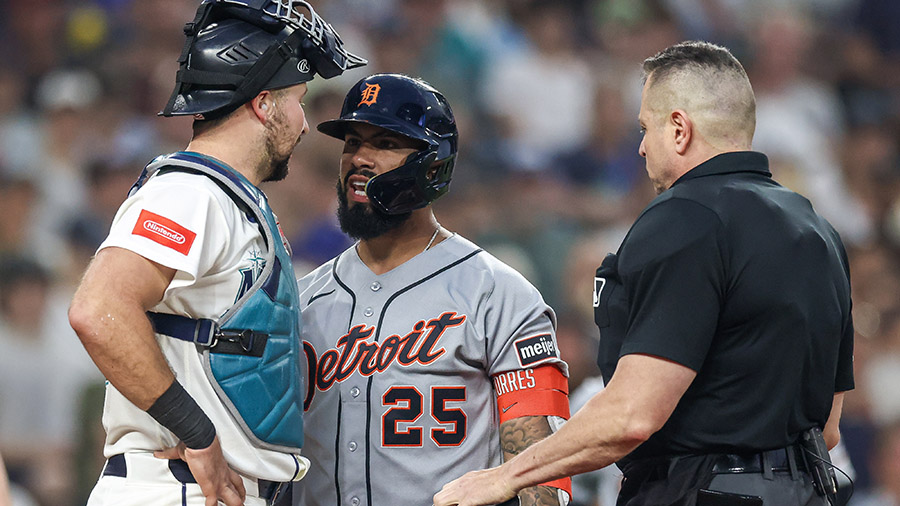
Mariners vs Tigers benches clear: Seattle’s win turns testy
Seattle beat Detroit, but the eighth inning belonged to anger, retaliation, and the old baseball math of pride. The standings keep moving; the bruise lingers.

Andrew Painter Injury Update: Phillies stay calm after hamstring scare
Andrew Painter left early with left hamstring tightness, then sounded optimistic after the Phillies’ extra-inning loss. In a season built on thin margins, that matters.
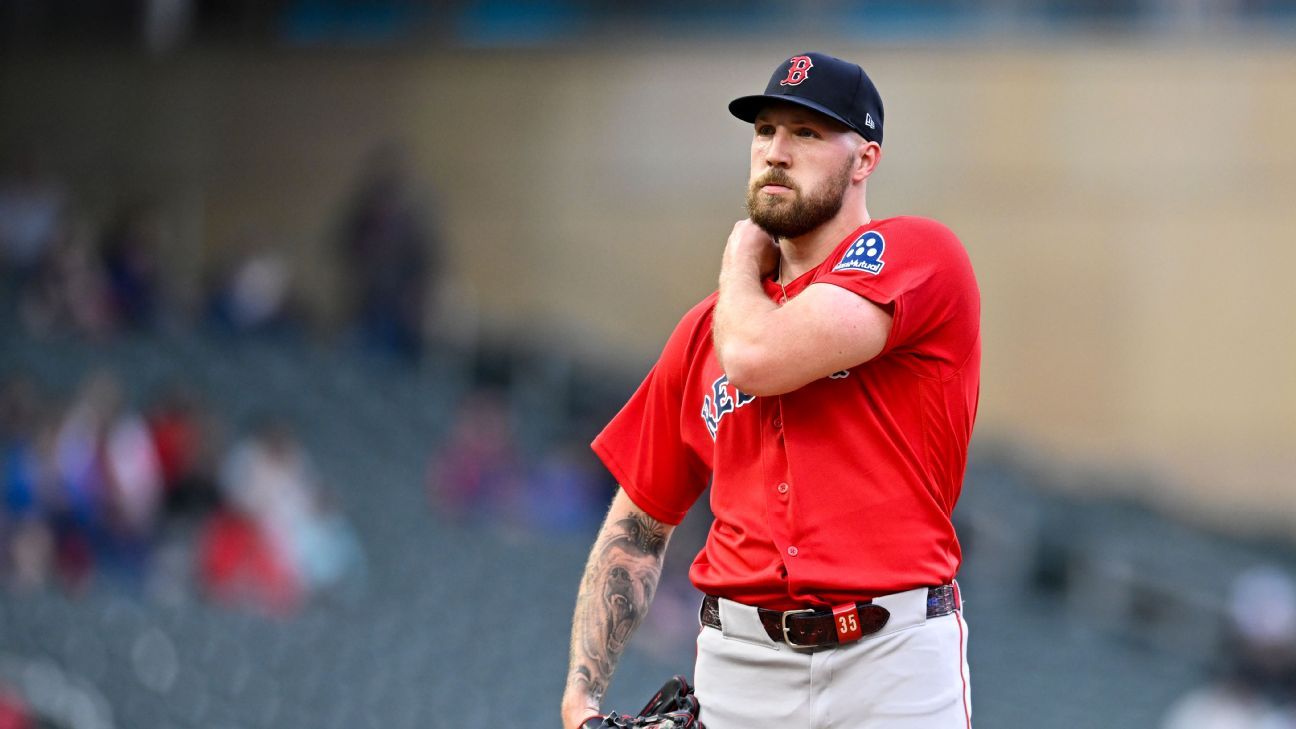
Garrett Crochet Red Sox Relief Role: late-season twist in Boston
Garrett Crochet says he’d take a relief assignment if it gets him back for the stretch run. For the Red Sox, that’s not a plan — it’s a lifeline.