
Fantasy Football 2026 Rankings: Sleeper Picks, Busts, Breakouts
The model has opinions. Draft rooms are about to get louder.
 Zane Miller6 min read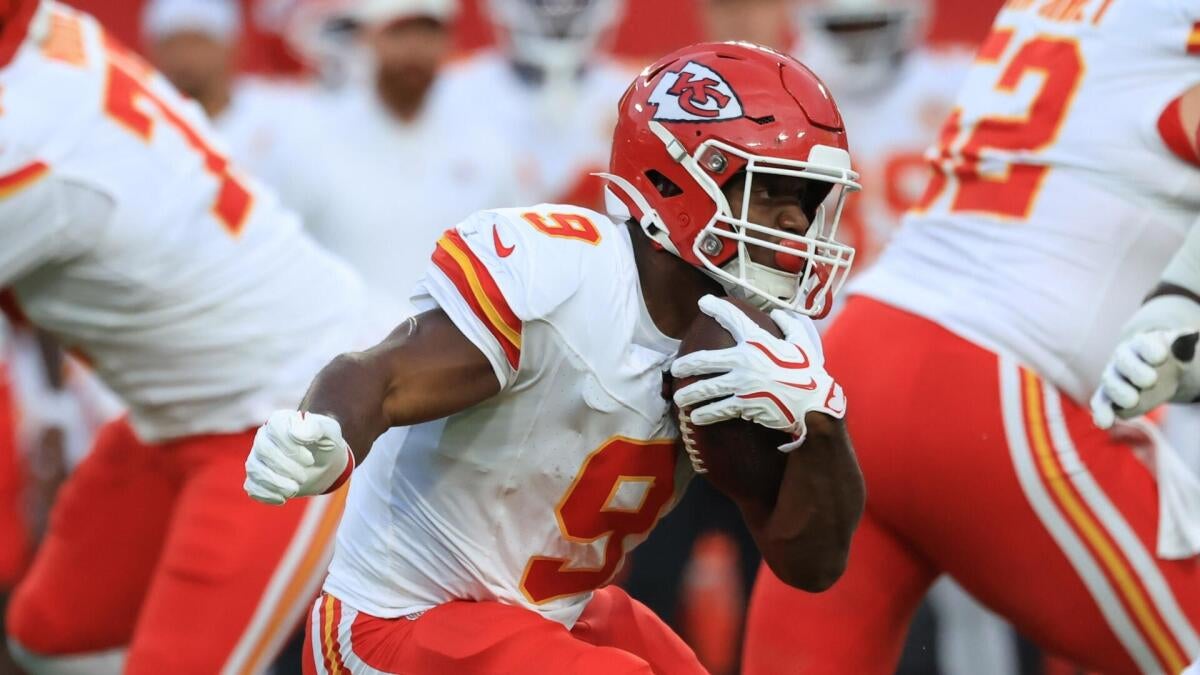
The 2026 fantasy board is no longer a vibe check. Rosters are set, preseason noise is fading, and drafters are staring at the same thing front offices do every August: where the market is right, and where it’s getting lazy.
That’s the whole game now. The public is locking in on star power, but the sharp fantasy crowd is hunting volatility, role growth, and those tiny usage clues that show up before the box scores do. A model that has already been ahead on Daniel Jones) is worth listening to, not because models are magic, but because they punish wishful thinking. That matters a lot more than people want to admit.
The top of the board is not where the real edges are
The elite tier is expensive for a reason. Jahmyr Gibbs, Bijan Robinson, and Ja'Marr Chase are not mysteries. They are market anchors. If you’re drafting in the first round, you’re not looking for clever. You’re looking for the cleanest path to weekly volume with the least chance of the whole pick collapsing under bad coaching or bad luck.
That’s where the 2026 conversation gets sharper. The top names are easy. The hard part is deciding whether the next tier is priced for ceiling or priced for reputation. Fantasy rooms love to tell themselves they found value. Usually they just found a player whose name still sounds good in July.
The preseason finish line changes the board in a real way. Coaches stop talking in hypotheticals. Snap counts start to matter. Beat writers stop guessing depth charts and start reporting them. If you want to beat ADP, this is the part of the calendar where you stop drafting badges and start drafting roles.
Sleeper season starts with touches, not hype
The best sleepers rarely look like sleepers once the season starts. They look like players with a stable job, a clear passing-game route, or a runway to inherit volume if the starter misses even a little time. That’s why the smart money keeps circling the middle rounds. That’s where leagues are usually won.
The difference between a real sleeper and a camp darling is simple. One has a path to 12 touches or steady targets. The other has summer buzz. Only one of those survives Week 3.
This is also where Fantasy Football 2026 Rankings: Best QB, RB, WR, TE Picks fits into the larger picture. Quarterback and tight end boards are especially sensitive to tiny changes in usage, and that spills back into the flex pool. If a quarterback gains value through rushing, or a tight end climbs into a real target share, the ripple effect changes how you attack the rest of the draft.
The lesson is boring, but it wins. Draft the player whose role you can describe in one sentence. If the explanation takes three paragraphs, you’re probably drafting an idea.
Busts usually wear expensive jerseys
Bust season is where people get emotional. Nobody wants to say the obvious name is too costly, especially when the jersey is popular and the highlight clips are easy to find. But fantasy doesn’t care about vibes. It cares about whether the production matches the price.
That’s why the biggest bust candidates are usually players whose draft slot assumes perfect health, perfect efficiency, and no role erosion. Those bets can work. They just don’t deserve automatic trust at peak cost.
The smartest fantasy move is often boring: fade the player whose price already assumes his best-case season.
The market gets especially fragile at running back. We all know that. One bad camp report, one committee hint, one preseason rest cycle and suddenly a player goes from safe to sticky. Wide receivers can also be sneaky landmines when target volume gets split too thin. You can buy talent all day. Paying top-12 prices for a messy target tree is how managers end up angry by Halloween.
If you’re comparing the board to Fantasy Football 2026 Rankings: Sleepers, Breakouts, Busts, the philosophy is the same: separate the players the market likes from the players the market has evidence for. Those are not always the same thing.
Breakouts are about role growth, not just talent
A breakout isn’t simply a good player getting better. In fantasy terms, it’s a player whose workload climbs into a different tier. More snaps. More high-value touches. More red-zone chances. More routes. More ways to survive a quiet game.
That’s why breakout picks are so tied to team context. Offensive line stability matters. Quarterback health matters. Coaching tendencies matter. And in 2026, with the league’s roster churn already mostly settled, the teams that keep funneling usage to a few players are going to create the best fantasy breakout lanes.
The most important thing to remember is that breakouts often lag public perception. By the time everyone is calling a player a star, the ADP tax has already arrived. The winning move is identifying the breakout before the market fully catches up.
Why I’m still leaning into the market mismatch
I’ve covered enough draft cycles to know the market loves certainty even when certainty is fake. That’s why some of the best fantasy seasons come from players who looked a little awkward in August. Not because the experts were wrong about the talent, but because they were late on the usage shift.
This is where the model edge matters. A simulation engine that ran the season 10,000 times isn’t trying to be cute. It’s stress-testing outcomes against what actually changes fantasy scoring: workload, team environment, and how often a player can hit the weekly threshold that keeps your roster alive. That is how you end up ahead on names like Daniel Jones before the public fully adjusts. Not by worshipping the machine. By respecting the signal.
The bigger takeaway for 2026 is that the fantasy market is more crowded, faster, and less forgiving. Everybody has rankings. Everybody has a sleeper list. The edge comes from knowing which names are being drafted for story and which ones are being drafted for production. That gap is where titles get built.
What to watch as draft weekend hits
ADP is going to keep tightening as final preseason information settles in and managers lock onto “safe” picks. Don’t let that flatten your board. If a player’s price climbs faster than his role, that’s a fade. If a player’s role grows but the public hasn’t moved yet, that’s the sweet spot.
The same applies across formats. Standard leagues reward different profiles than full PPR. Best ball rewards spike weeks. Home leagues overvalue name recognition. Sharp drafters adapt instead of pretending every room is built the same.
And if you want a broader cheat sheet on how teams are reshuffling before the season, Detroit Lions Updated Depth Chart: 53-Man Roster Reset is a useful reminder that real depth charts drive fantasy value more than preseason highlight packages ever will.
The draft clock is almost here. The players are mostly known. The prices are the part that still lies. Keep your board flexible, trust the role, and don’t pay full freight for last year’s story.
More from Straight From The Bench
Comments
Join the conversation — sign in to leave a comment.
Sign in to commentRelated Stories

Detroit Lions Brad Holmes Responds to Terrion Arnold Criticism
Brad Holmes pushed back on the noise around Terrion Arnold, and the Lions are trying to keep one bad chapter from becoming a bigger mess.
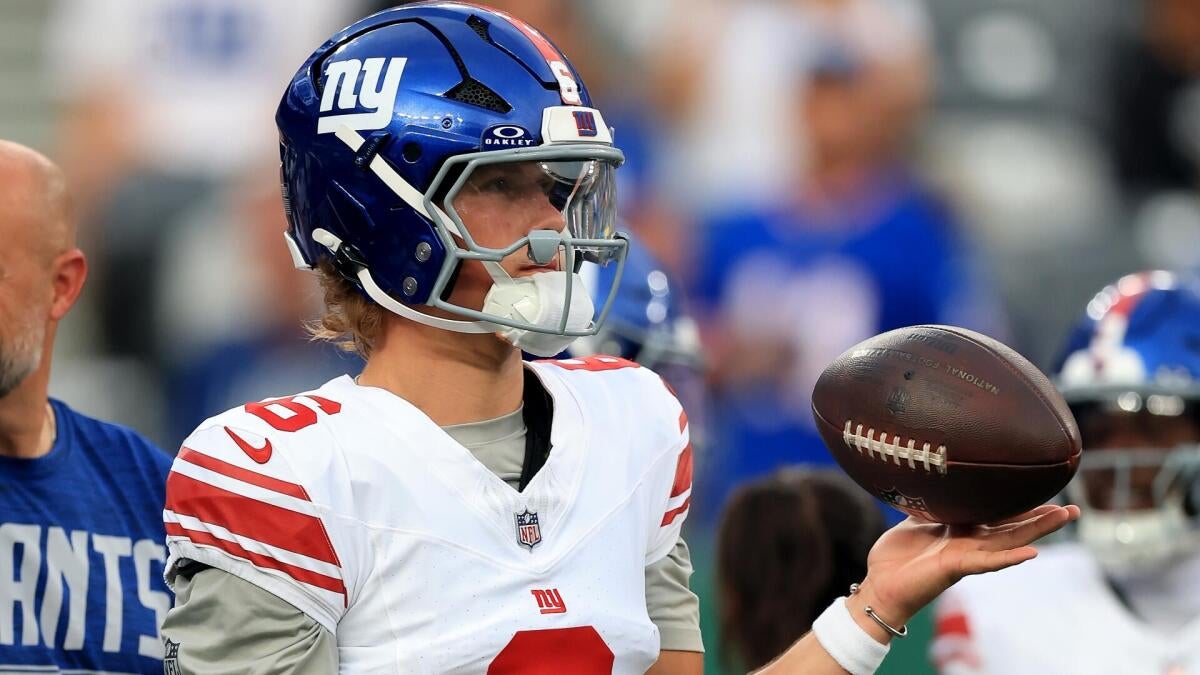
Fantasy Football 2026 Rankings: Sleepers, Breakouts, Busts
A model that nailed Daniel Jones’ rise is already reshaping 2026 draft chatter. The stars are known; the profit lives in the sleepers, breakouts, and busts.

Detroit Lions Updated Depth Chart: 53-Man Roster Reset
The Lions have set their initial 53 and nearly finished the practice squad. This is the first real snapshot of how Dan Campbell’s 2026 roster is built.