
Fantasy Football Rankings 2026: Sleepers to Target in Drafts
The model hit on De'Von Achane. Now it’s hunting for the next cheap league-winner.
 Zane Miller6 min read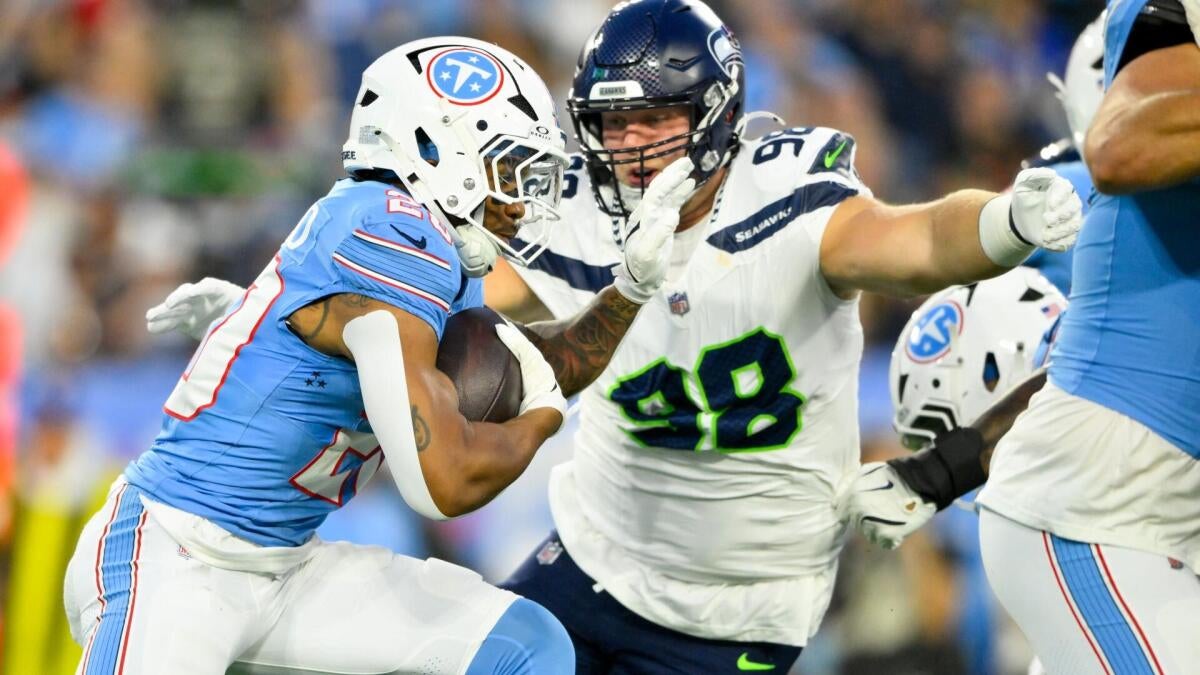
The fantasy football market never really sleeps, it just changes tabs. And right now, with the NFL regular season a week out, the draft room is doing exactly what it always does in late August: chasing buzz, overreacting to preseason noise, and trying to find the one player who can wreck a league from the middle rounds.
That’s the lane here. A model that nailed De'Von Achane’s breakout last year is back with another batch of 2026 sleepers, and that matters because the fantasy industry has turned into a full-on pricing war. If you can identify the guys who will outplay their ADP before your leaguemates do, you don’t need to win every round. You just need to win the ones that tilt the board.
Why sleeper hunting matters more than ever
Fantasy drafts in 2026 are less about novelty and more about inefficiency. Everyone knows the early stars. Everyone knows the first-tier backs, the elite quarterbacks, the safe tight ends. The edge now lives in the middle — in the players who get pushed down because of role uncertainty, boring offenses, or one bad camp report that gets blown into a headline by lunchtime.
That’s why a sleeper list with some actual modeling behind it gets attention. Not because projections are gospel. They aren’t. But because the better fantasy models are good at spotting role changes before the market fully prices them in. A player like Achane was the perfect example: the raw tools were obvious, but the real payoff came when the usage caught up to the talent. That’s the cheat code everyone wants, and nobody can afford to miss.
The important part here is timing. Preseason is done. Roster cuts are made. The blur of August camp noise is over, and fantasy managers are staring at clean depth charts with a week left before kickoff. This is where bad drafts happen. It’s also where smart ones are separated.
The Achane lesson: speed matters, but usage wins
There’s a reason the De'Von Achane comp keeps coming up. He wasn’t just a “fast guy” story. He was a usage story. That’s the part casual drafters miss and sharp players chase. Explosive players can be fantasy winners even when the public thinks they’re too small, too volatile, or too dependent on splash plays — because the right offense can hide a lot of warts.
That’s the lens to use on any 2026 sleeper. Don’t just ask whether the player is talented. Ask whether the touches are plausible. Ask whether the coaching staff has already hinted at a bigger workload. Ask whether the depth chart behind him is a cardboard cutout or an actual threat.
The best sleepers aren’t surprises. They’re discounts.
That’s the whole market. The fantasy manager who pays for last year’s points gets burned. The one who buys role growth gets paid.
The middle rounds are where leagues are won
The best part about sleeper hunting this time of year is that the draft board is crowded with the same kind of players. Everybody is reaching for upside, but not everybody can stomach the volatility that comes with it. So the real opportunities tend to come from one of three buckets: a talented player stepping into more volume, a starter whose efficiency was better than the box score showed, or a guy whose team is quietly built to force him into relevance.
That’s also where the context matters. A sleeper in a high-scoring offense has a very different ceiling than a sleeper on a team trying to survive week to week. You can love the player and still fade the environment. You can like the offense and still pass on the player if the path to touches is muddy. Fantasy drafts reward discipline more than hero shots.
If you want a recent example of how quickly the market can swing, look at the way fans and drafters have had to recalibrate around players whose roles changed late. We’ve seen that same kind of late-stage adjustment across sports — even in our own coverage of teams like the Clippers, where cap dynamics and roster construction can reshape expectations fast. Different sport, same principle: the market hates uncertainty until it realizes the uncertainty was the edge.
Who these rankings affect most
This is where the 2026 sleeper list gets real. It’s not for the person drafting from a magazine on draft day and calling it a strategy. It’s for managers in competitive leagues where everybody knows the names, everybody streams the wire, and everybody is one hit away from feeling smart or stupid.
It also matters for the teams on the field. Fantasy hype doesn’t create real football value, but it does change the conversation around players. A receiver moving up in fantasy drafts often signals that the market believes his targets are secure. A back climbing boards usually means drafters expect either a volume jump or a depth-chart collapse in front of him. Even a quarterback sleeper can tell you where the league thinks offensive aggression is going.
And yes, there’s some gamesmanship here too. Once a sleeper gets too loud in the ecosystem, the ADP creeps up and the discount disappears. That’s why these lists have a short shelf life. The first smart crowd is looking for names. The second crowd is looking for confirmation. By the time the mainstream catches up, the value is gone.
My read: don’t chase “sleeper” labels, chase paths to volume
I’ve covered enough draft seasons to know how this goes. The fantasy community falls in love with adjectives — breakout, sleeper, league-winner — and forgets that the engine underneath all of it is volume. Touches. Routes. Snaps. Red-zone chances. That’s the stack that matters.
My bias is simple: I want players whose role is expanding even if the public is late. I want the back who just got a clearer runway, the receiver who quietly moved up the pecking order, the quarterback in an offense that’s clearly willing to let him cook. You can find fireworks on talent alone, but you win leagues by finding the players whose opportunity is about to catch up to the film.
That’s why these model-driven sleeper lists are useful even when you don’t copy them name for name. They force you to ask the right questions before your draft room starts buzzing. They make you look past last year’s totals and into the shape of this season.
If you want another angle on how late-cycle roster moves can change the market, our piece on the Joe Musgrove injury update shows the same kind of urgency: timing matters, and the window closes fast.
The next week is where drafters either lock in or panic. The sharp ones are already circling the middle rounds. The rest are about to pay retail.
More from Straight From The Bench
Comments
Join the conversation — sign in to leave a comment.
Sign in to commentRelated Stories

Ashton Jeanty Injury Update: Raiders Optimistic for Week 1
Klint Kubiak says optimism is high for Ashton Jeanty’s Week 1 status. For Las Vegas, that changes the entire offensive conversation.
Fantasy Football 2026 Rankings: Sleeper Picks, Busts, Breakouts
The preseason is done, ADP is hardening, and the early fantasy board is already splitting into traps and edges. Some names look expensive. Some look too cheap to ignore.

Detroit Lions Brad Holmes Responds to Terrion Arnold Criticism
Brad Holmes pushed back on the noise around Terrion Arnold, and the Lions are trying to keep one bad chapter from becoming a bigger mess.