
Fantasy Football Rankings: Hayden Winks’ RB Blueprint for Week 3
The running back board is less a spreadsheet than a weather report.
 Beatrice Kensington6 min read
Week 3 is where the fantasy calendar stops being polite. The early-season optimism has already taken a few hits, the injury report is beginning to feel like a bill coming due, and running back — that old brutal position — remains the most merciless place to make your money or lose it. Hayden Winks’ weekly blueprint at the position does what the best fantasy work should do: it strips away the perfume and looks at the workload, the touch tree, the pass-game role, and the fragile little ecosystem that determines whether a back is a starter or a trap.
Running back rankings always masquerade as predictions, but the shrewd ones are really judgments about opportunity. Who gets the first crack near the goal line? Who can survive a bad game script because he still catches passes? Who is one twisted ankle away from becoming the central figure in an offense that suddenly remembers the backs exist? Those questions carry more weight in September than most managers like to admit.
Week 3 Is Where the RB Illusion Starts to Crack
The first two weeks tend to flatter reputations. A familiar name can still pass for a safe bet even if the snap count is wobbling underneath him, and a committee back can look useful just because the box score handed him a short touchdown like a pardon. By Week 3, though, the noise starts thinning out. Coaches have shown us who they trust. Drives have given us evidence. And the running back board begins to separate into the players who own their work and the players who borrow it.
That is the heart of any serious fantasy football) ranking, especially at running back. The position is not about beauty. It is about access. Access to carries. Access to targets. Access to red-zone snaps that do not get divided three ways like a restaurant check.
A weekly column like Winks’ matters because it forces a hard look at usage rather than wishful thinking. That distinction becomes even sharper now, with offenses around the league still settling into their identities and defenses happy to turn every backfield into a hostage situation. If you are chasing points instead of role, you are usually a week late.
Volume Still Beats Romance
The fantasy market has always had a weakness for the elegant lie: the explosive talent, the highlight run, the back who “just needs the offense to feature him.” Lovely phrase. Often false.
What actually matters is whether a back touches the ball enough to survive an ordinary afternoon. In a good offense, that may mean 15 carries and three targets. In a bad one, it can mean 11 carries and a prayer. Either way, the path is the same. Touches build floors, and floors keep seasons from collapsing when the bye weeks arrive and the wide receivers start turning into medical reports.
The sharper managers know this already, but Week 3 is when discipline becomes profitable. The back who is on the field for passing downs is often more valuable than the “starter” who disappears in obvious passing situations. The one who handles the goal-line work may be safer than the one with prettier tape. Fantasy football has never been a meritocracy. It is an accounting exercise dressed up as sport.
The most valuable running backs are rarely the prettiest ones; they are the ones coaches cannot bring themselves to take off the field.
That idea sits underneath every smart ranking at the position. It is why the season’s third Sunday can feel like a referendum. The market has not fully adjusted yet, but it is already moving.
The Injuries, the Commits, the Quiet Opportunities
This is also the point in the season where one injury in the wrong place reshapes entire backfields. A reserve who was drafted as an afterthought becomes a waiver-wire emergency. A committee that looked manageable in August turns into a headache by mid-September. The churn is especially violent at running back, where one snapped rhythm can elevate a player from bench piece to lineup anchor in a matter of days.
That volatility is why managers should study weekly blueprints as if they were weather maps. Not every storm arrives with headlines. Some show up as a coach leaning harder on a third-down back because his quarterback is under siege. Others appear as a favorite in a comfortable game script deciding the fourth quarter with its ground game. The details are rarely glamorous. They are frequently decisive.
If you need a reminder that football is a moving target, look at the larger NFL ecosystem around the position. Teams are not merely handing the ball off; they are rationing bodies. Every rushing attempt has a context, and every context shifts when injuries hit the offensive line, when the score tilts, or when a staff decides to protect a lead rather than chase style points. The backs who can live through those changes — not just produce in spite of them — are the ones who justify weekly trust.
What the Blueprint Really Tells Us About Roster Building
Here is where I part company with the fantasy manager who treats rankings as commandments. They are better understood as a map of risk. A good RB blueprint does not simply tell you whom to start; it tells you where the cracks in your roster already are.
If your safest backs are heavily dependent on touchdowns, you are living too close to the edge. If your RB2s need perfect game script to matter, the margin for error is already thin. If your bench lacks the kind of handcuff who could become useful instantly, you are not carrying insurance; you are carrying optimism. There is a difference.
I have always believed running back rankings reveal a manager’s temperament more than his football knowledge. The impulsive player chases last week’s spike. The timid one clings to reputation. The strongest teams, more often than not, are built by the patient ones who can tolerate a boring 14-point week when the alternatives are a 4-point disaster waiting to happen. In the early fall, that kind of restraint can feel almost unfashionable. By December, it looks like wisdom.
The larger truth is that the position remains the most fragile pillar in fantasy football. Wide receivers can survive bad game scripts. Quarterbacks can salvage value through volume and efficiency. Running backs are asked to absorb punishment, read blocks, and produce through circumstances they do not control. That is why any serious ranking system must be ruthless about role and unsentimental about name value. The helmets are shiny. The math is not.
The Week 3 Standard Is Simple
Trust the backs who touch the ball in all situations. Respect the ones with goal-line access. Be wary of the names that depend on one lucky break to matter. And above all, do not let August drafts bully you into ignoring September evidence.
Week 3 is where smart fantasy seasons begin to separate from sentimental ones. The board is telling the truth now. It usually does. You just have to be willing to listen.
More from Straight From The Bench
Comments
Join the conversation — sign in to leave a comment.
Sign in to commentRelated Stories

Week 3 NFL score predictions: 10,000 simulations shape the board
A simulated slate can’t feel the turf, but it can sharpen the edges of a Sunday betting board. Week 3 arrives with 14 games and a thousand little traps for the unwary.
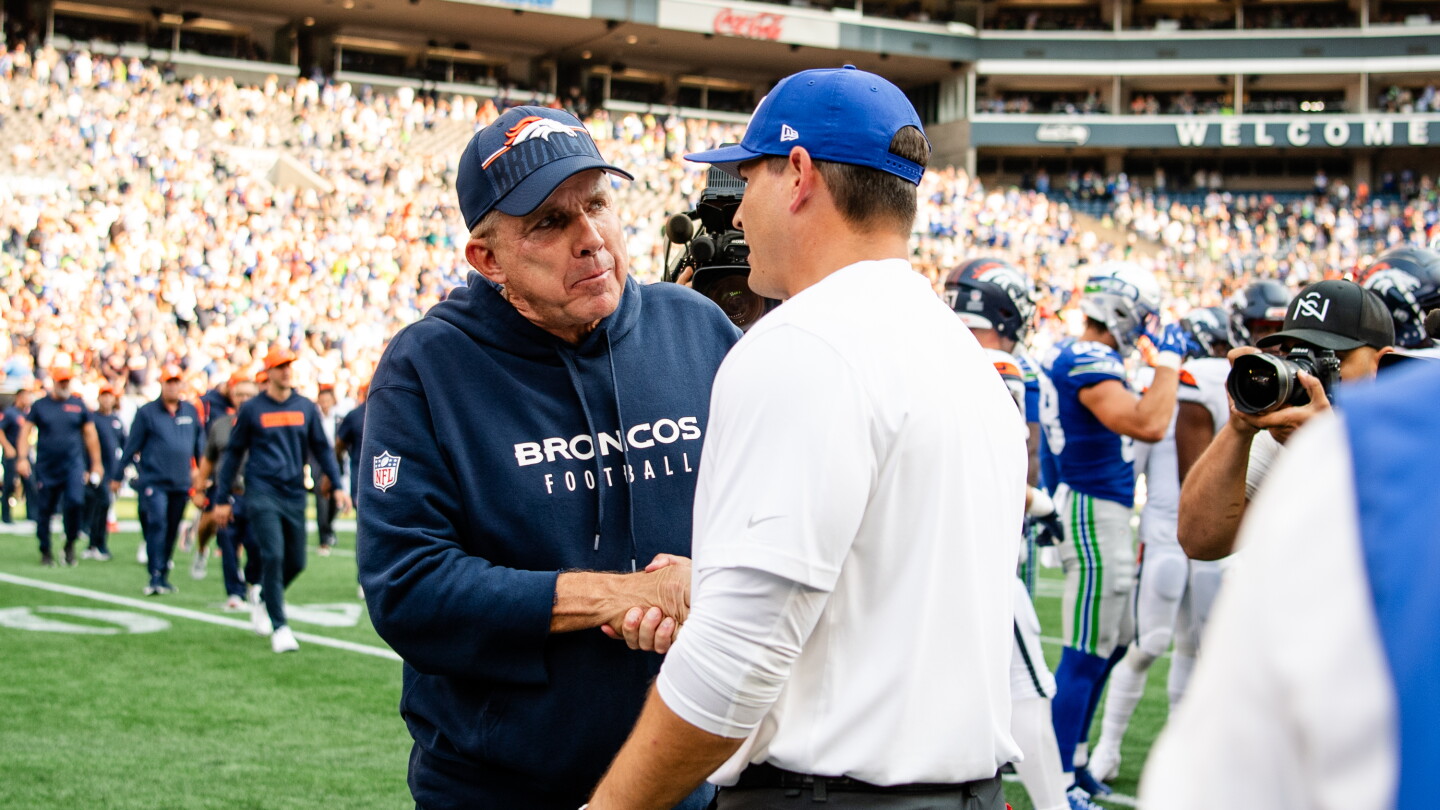
Mike Macdonald Sean Payton Apology: Seahawks Coach Clears the Air
Mike Macdonald says his Sean Payton comments were meant to stay off the record. The Seahawks coach is now doing the grown-up thing: owning it and moving on.

Seattle Seahawks Injury Update: Anthony Bradford Lands on IR
Seattle’s starting right guard is headed to injured reserve, leaving the Seahawks to patch a fragile front and protect a season built on thin margins.